
Srećko (Felix) Lay (1838–1913) was an ethnographer and cultural worker. He brought back more than a thousand objects hailing from various parts of the world from the 1878 World Exhibition in Paris, and exhibited them in what was then the Zagreb theater. A smaller portion is preserved in the Ethnographic Museum.


Klementina de la Ronciere née Tomeković, a citizen of Zagreb, donated, among other things, a moai kavakava figure from Rapa Nui (Easter Island). Her husband, Émile (1803–1874), was the governor of the former French protectorate over the Society Islands, and the figure was gifted to him in 1868 by Tahitian Queen Pōmare IV.

Salamon Berger (1858–1934) was a collector, merchant, entrepreneur, and the first director of the Ethnographic Museum. The Collection contains about 150 of his items, mostly from China, Japan, and India.
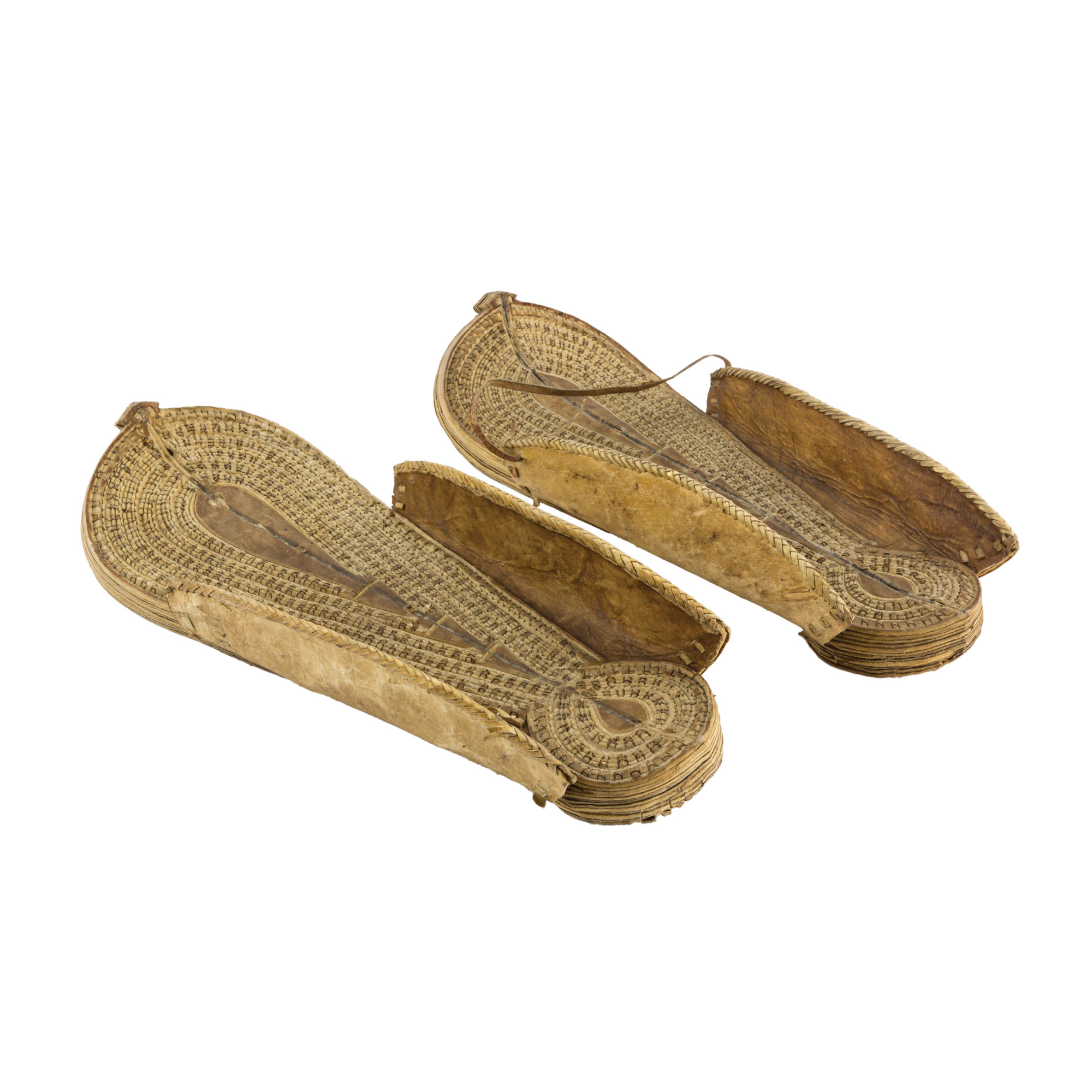
Mirko Breyer (1863–1946) was a bookseller and historian. Between 1879 and 1881, he stayed as a merchant in Aden, Yemen, representing the Trieste trading house “Bienenfeld.” The donated items are mostly from Sudan.

Stjepan Tišljar (1857–1922) donated items from China, where, after his naval service, he worked as a consular officer in Shanghai.
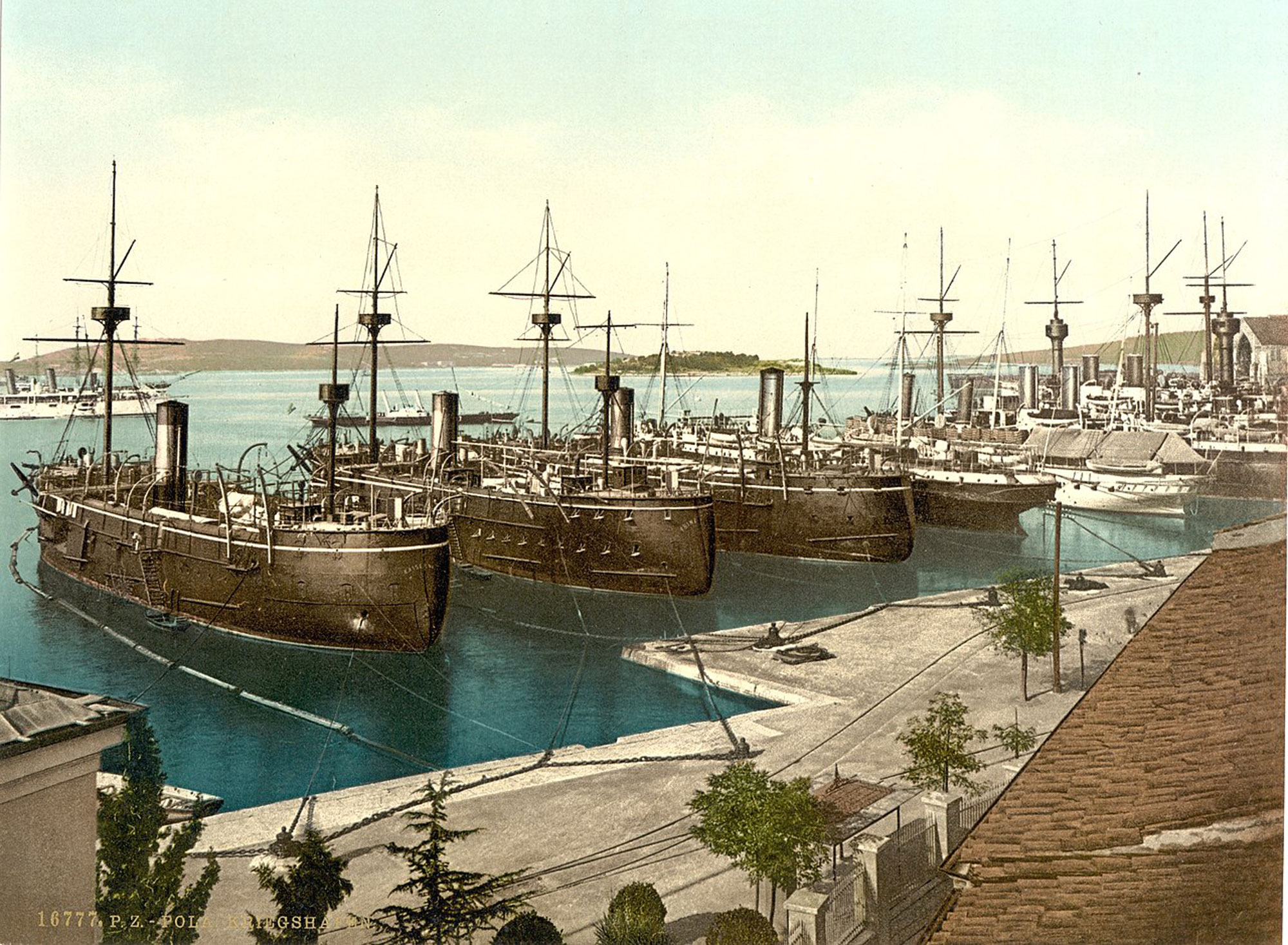
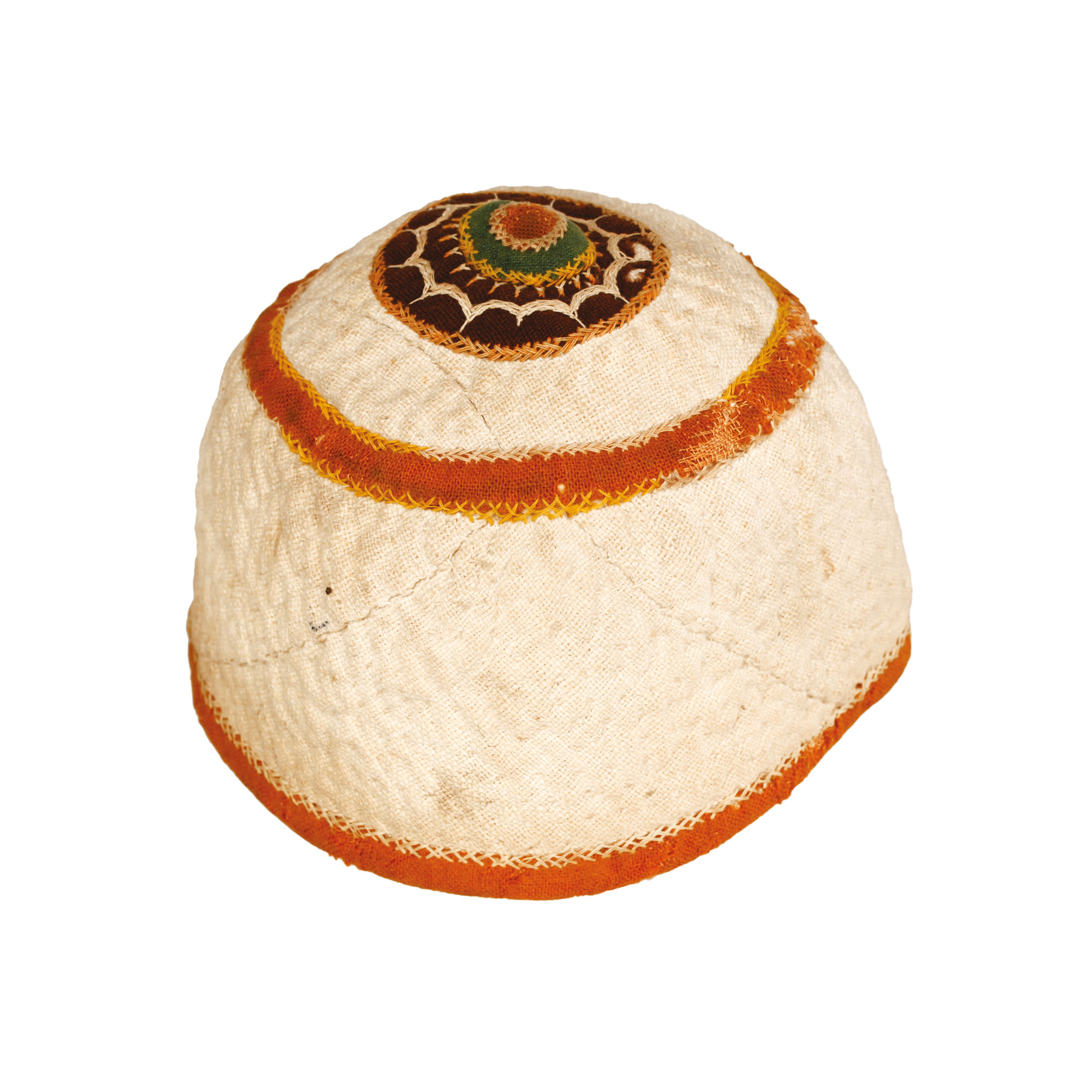

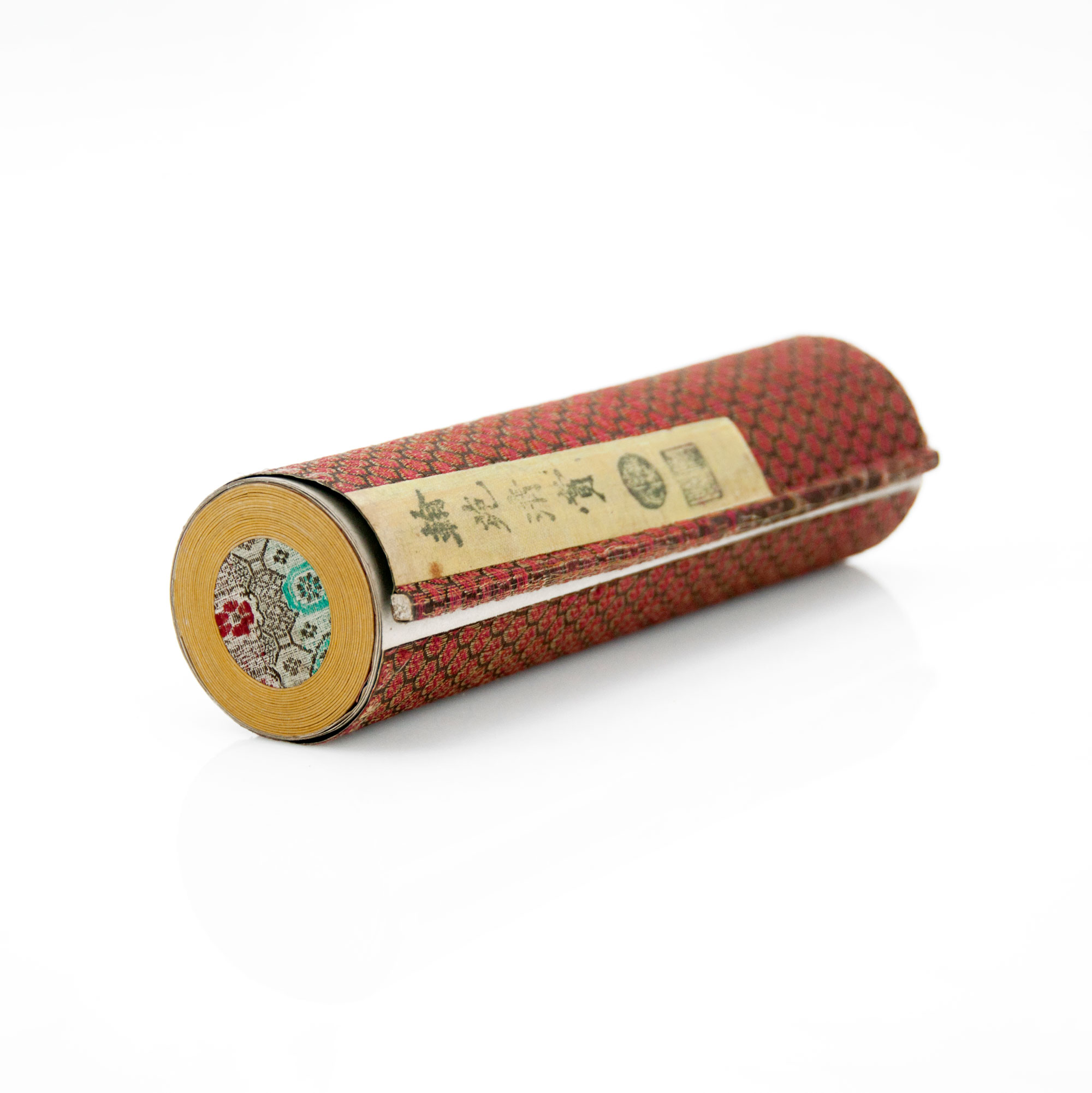
From the mid-19th century, the central port of the Austro-Hungarian navy was in Pula. Croatians held lower positions in the navy, with only a few of them in the officer ranks. Among the donors in the first decades of forming the Collection, sailors hold a significant place. Auxiliary cadet Mijat Kovačić donated about a hundred items, mostly weapons from the Solomon Islands. Naval captain Vladimir Pacel brought items from Japan and China, while Ivan Burgstaller brought items from Sudan. Ivan Stunić donated objects mostly from Zanzibar and Madagascar. Dragutin (Karl) Mezzorana (1861–1909) donated weapons from the Maluku Islands and a kareau figure from the Nicobar Islands. Admiral Viktor Wickerhauser (1866–1940) donated objects from China. He was in Beijing during the Boxer Rebellion (1899–1901), which escalated into an armed conflict.
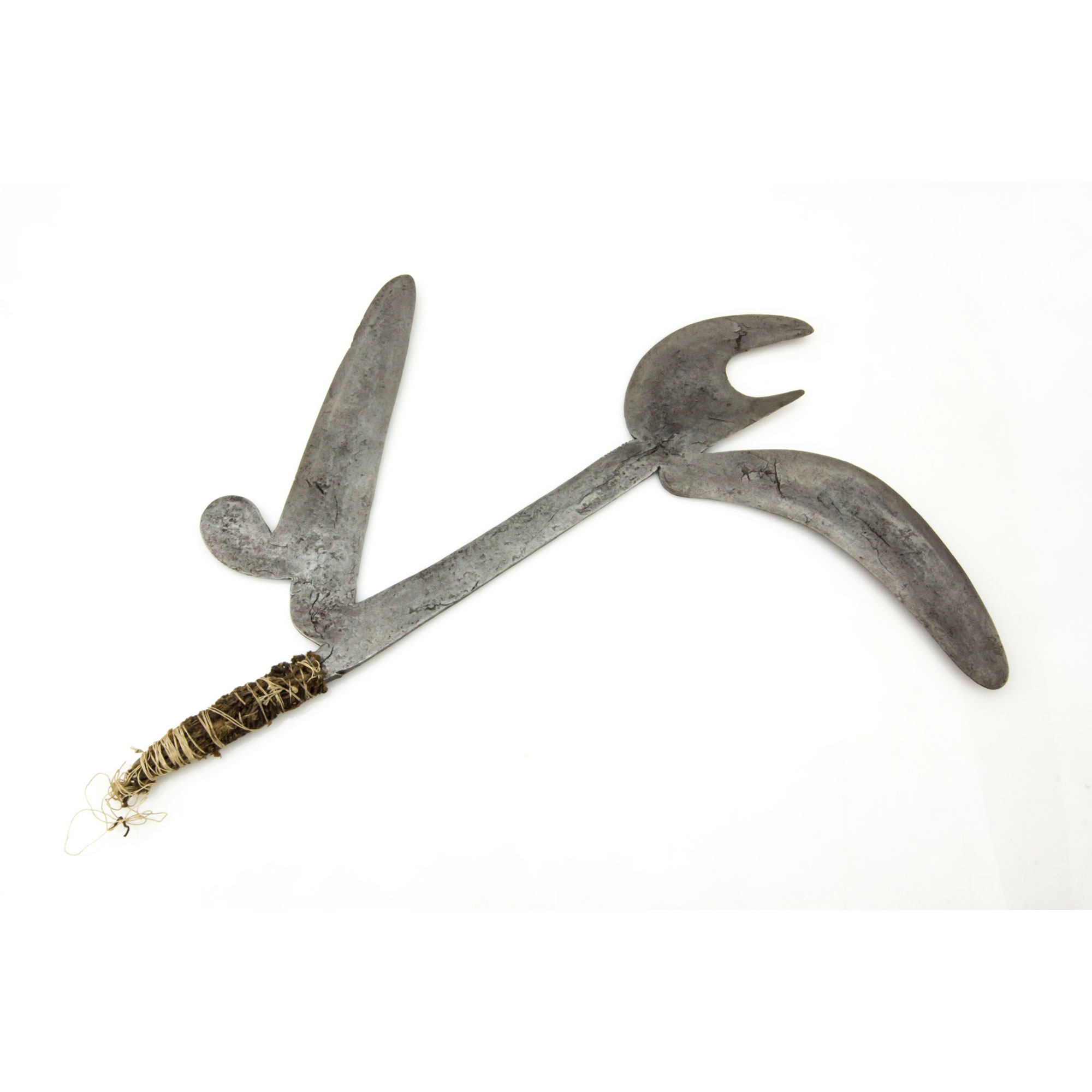
Franjo Marek from Vinkovci joined the service of the Congo Free State in 1891 as a steamboat captain and gathered a collection of weapons. He died of dysentery in the Congo after three years.

Dragutin Lerman (1863–1918) held various positions in the colonial administration of the Congo Free State. He donated a collection of 495 objects.

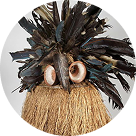
Joža Horvat (1915–2012), a storyteller and travel writer, described his world voyage with his wife Renata aboard a sailing ship in his book “Besa – Ship’s Log.” They brought a mask from Papua New Guinea that the Gugenberger family donated to the Ethnographic Museum.

Brothers Mirko (1871–1913) and Stevo (1875–1936) Seljan were in the service of Ethiopian Emperor Menelik II, later exploring trade route possibilities for the Brazilian and Peruvian governments. They donated 371 objects from Ethiopia and South America.

Dane Čorak from Rijeka stayed in Zanzibar as a representative of the company “Ružić and Co.” and, in 1888, donated a collection of weapons from central and eastern Africa, as well as a knife and axe from India.
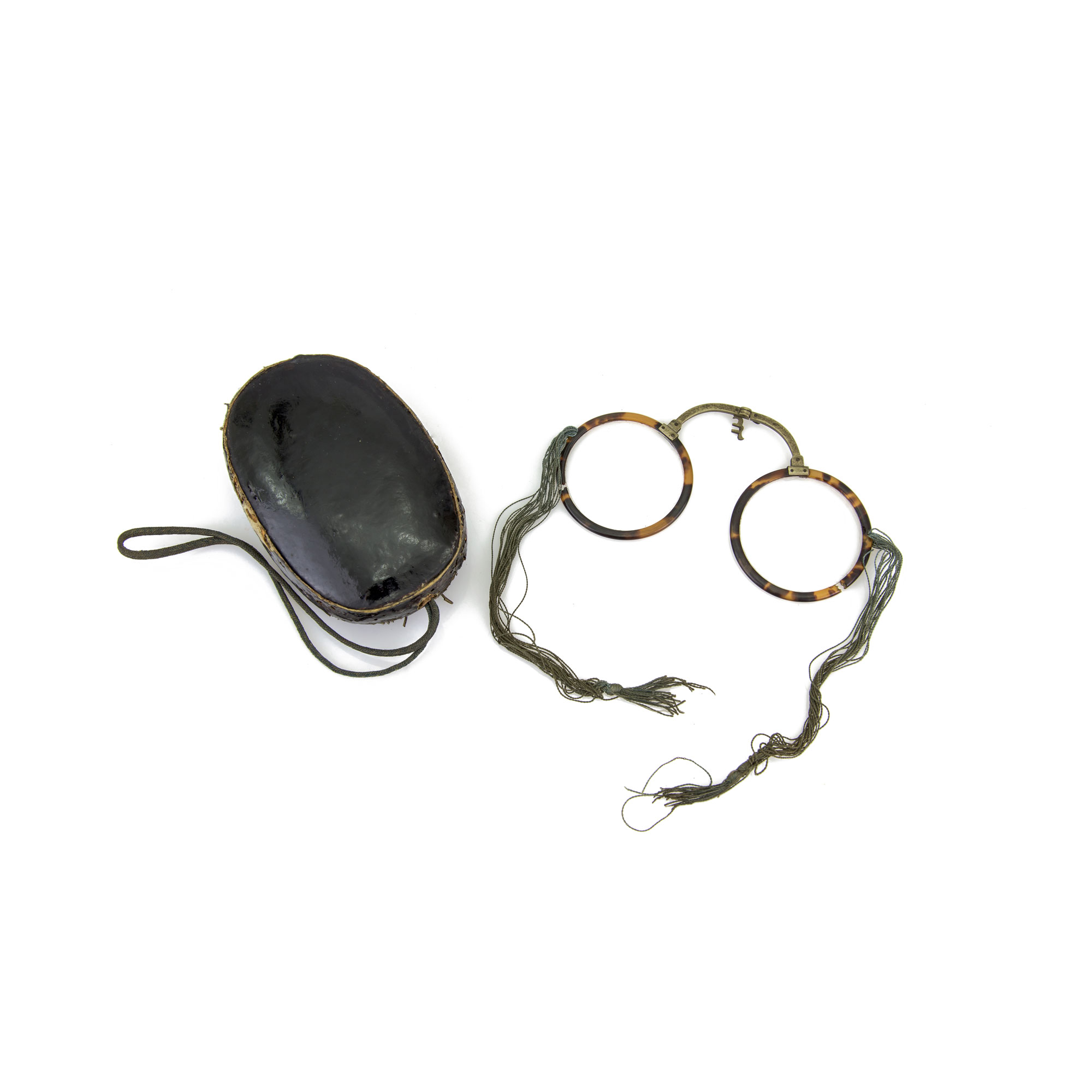
Albert M. Dowleans was born in 1814 in Karlovac with the surname Duriguzzi. He was involved in trade in London and Istanbul, and later served in the British colonial administration in India. He donated items from Myanmar and China.

The Jesuit Order from Zagreb donated around a hundred objects from the Indian state of West Bengal and seven objects from Sudan. Croatian and Slovenian Jesuit missionaries jointly operated in Bengal from 1925.
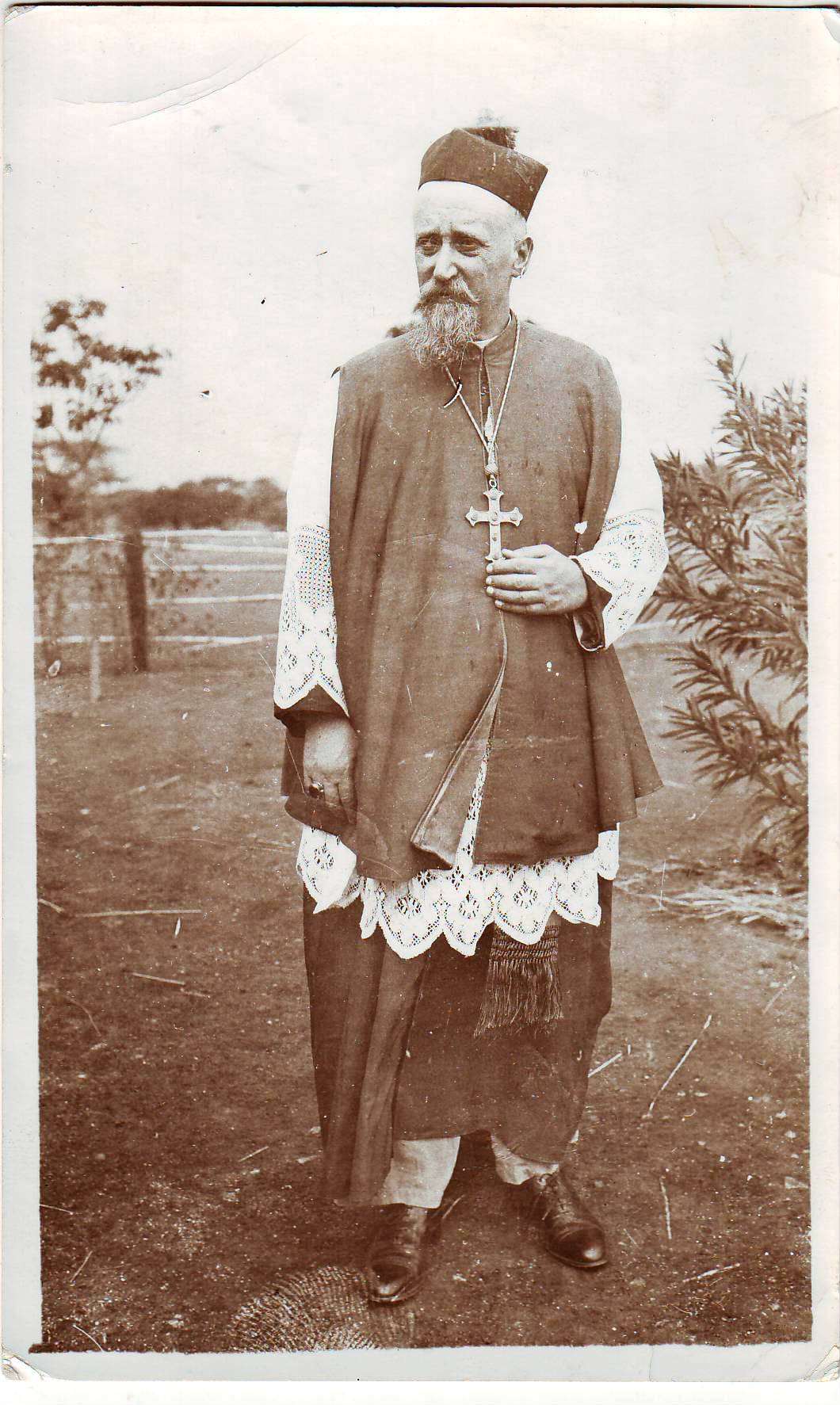
Stjepan Mlakić (1844–1950) was born in Bosnia and Herzegovina. As a missionary, he went to Sudan in 1920 and worked as an apostolic prefect from 1938, based in Juba. The Museum preserves his photographs, letters, and postcards.

Milka Trnina (1863–1941) was a famous opera singer. She donated 35 items from China and Japan.

Architect Drago Muvrin worked in Lagos, Nigeria, in the 1970s as a government official and UNESCO consultant. He donated his collection of items to the City of Zagreb in 1999.
Explore the digital collection of Drago Muvrin: http://www.muvrin.mdc.hr/en/
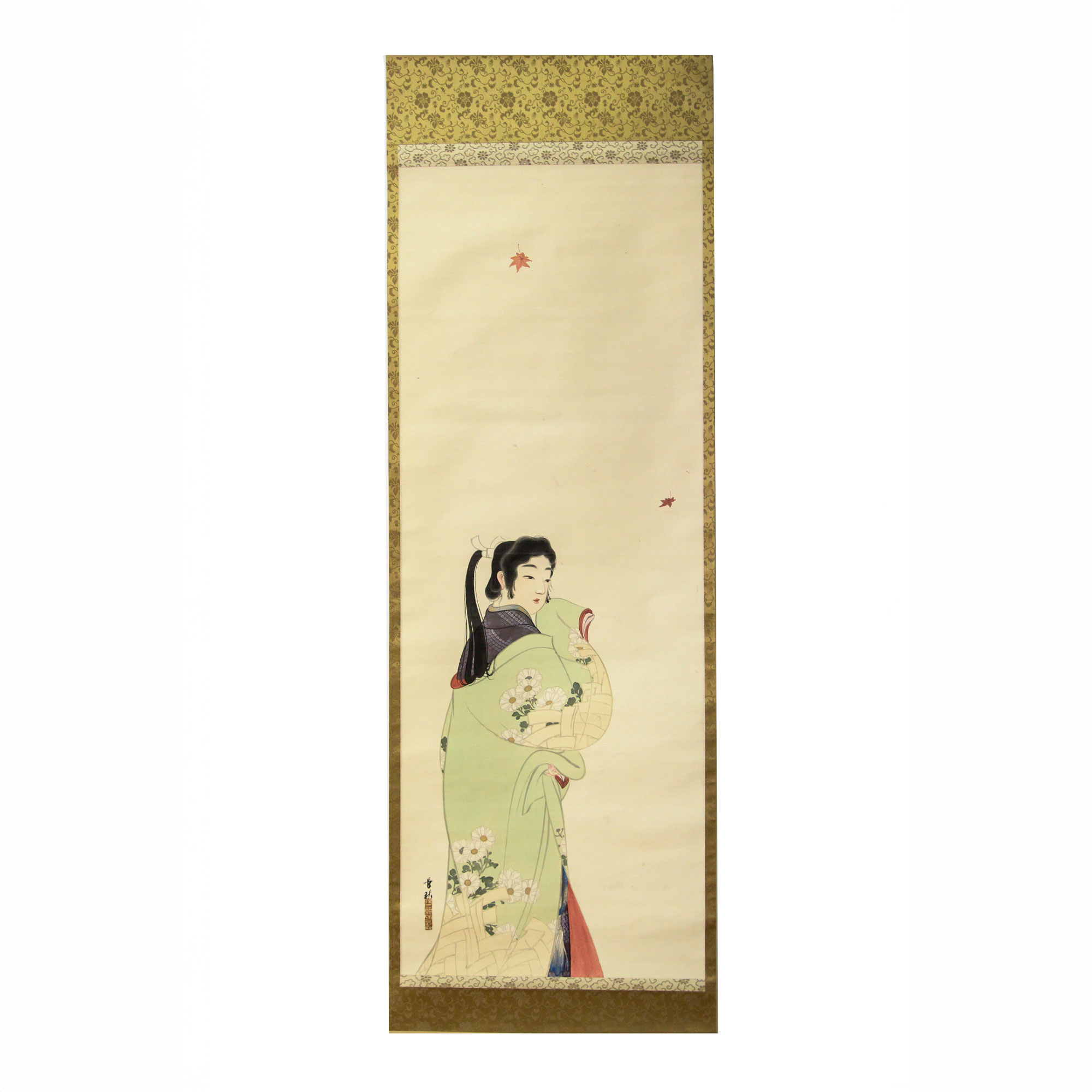
Alfred Georg Perl, born in 1885 in Ukraine, worked as a doctor in Zagreb. In 1940, he donated items from China, Japan, and Singapore. He died in the Holocaust.
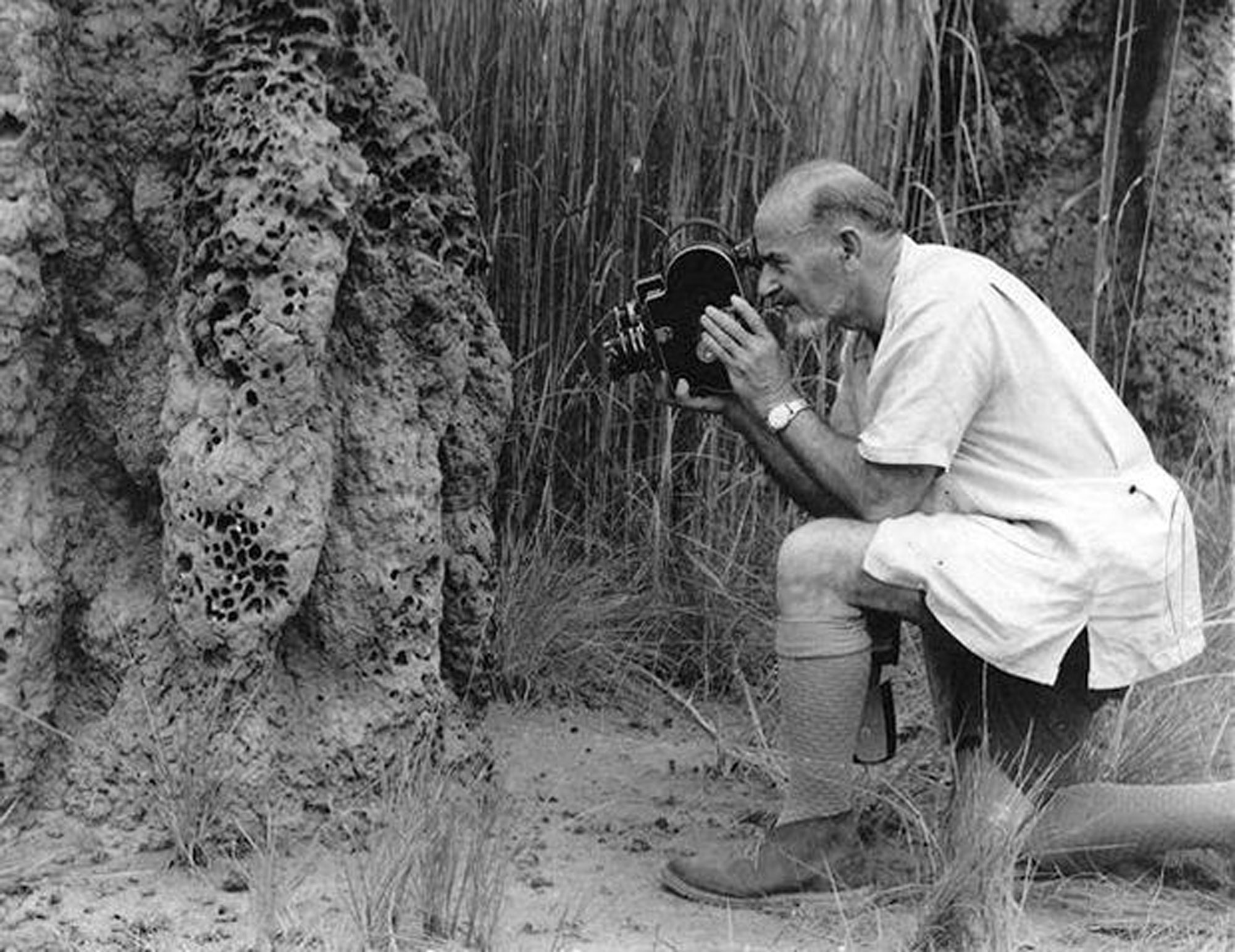
Tibor Sekelj (1912–1988) was a journalist, Esperantist, and travel writer. The Ethnographic Museum purchased 81 items from him, originating from Australia and Papua New Guinea.

The government of the People’s Republic of China donated 148 craft and art objects from the exhibition “Chinese Applied Arts” held at the Museum of Arts and Crafts in Zagreb in 1956/57.
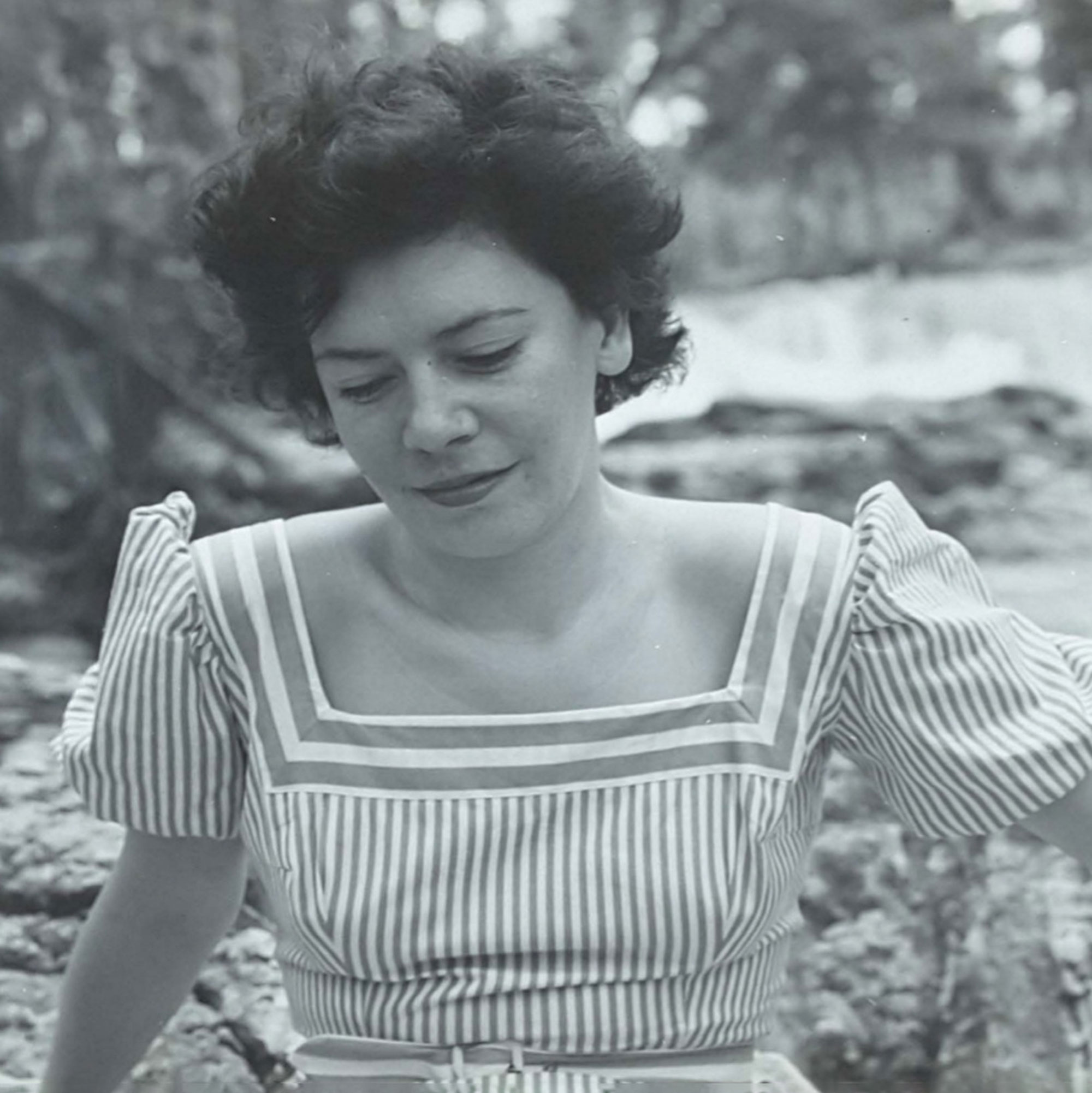
Zora Seljan (1918–2006) was a Brazilian writer, playwright, journalist, and the eldest daughter of Stevo Seljan. She donated 42 items from Brazil.
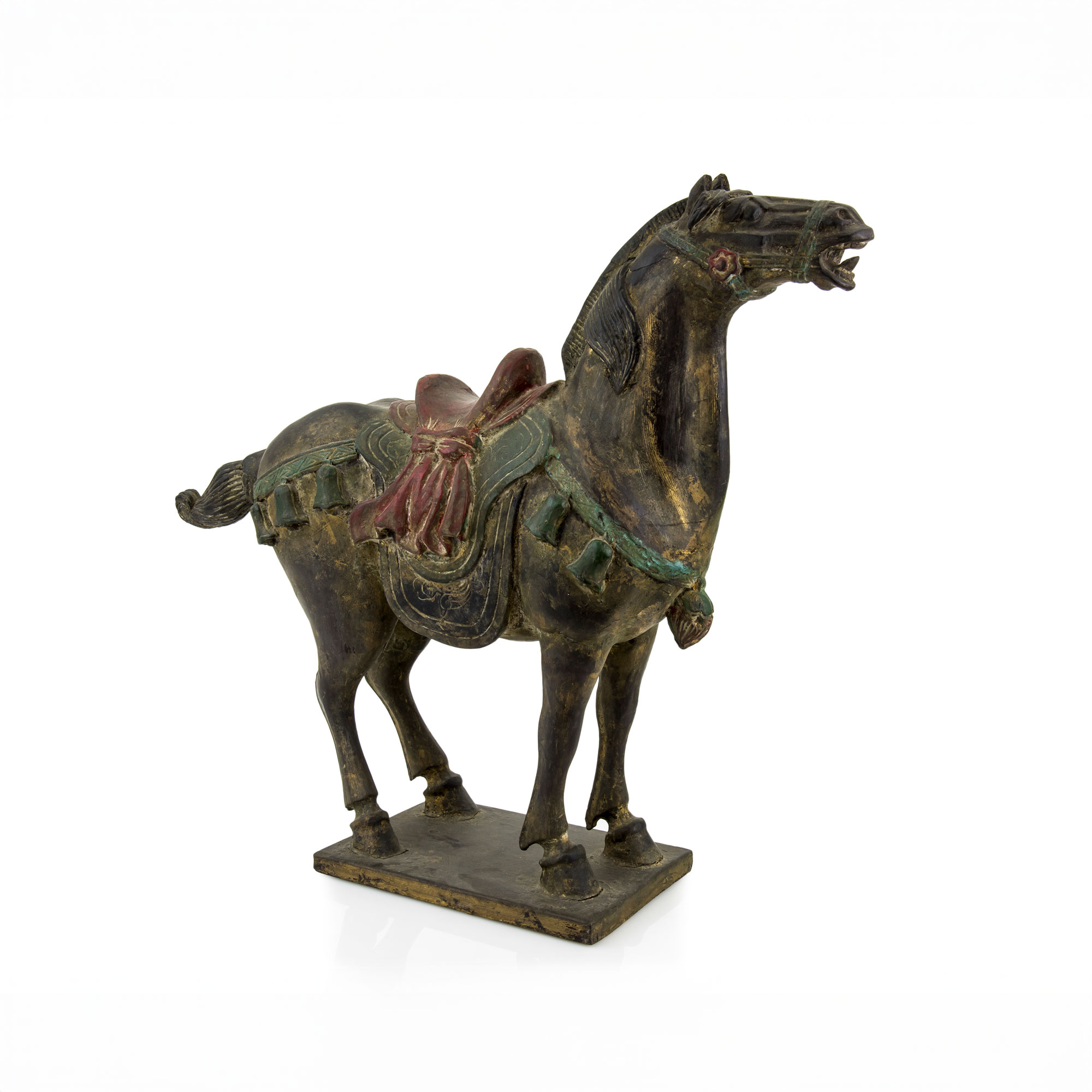
Nikola Marčetić (1935–2017) was a writer and translator. He donated a collection of 124 items from Croatia and various parts of the world to the City of Zagreb. The collection was entrusted to the Ethnographic Museum in 2022.
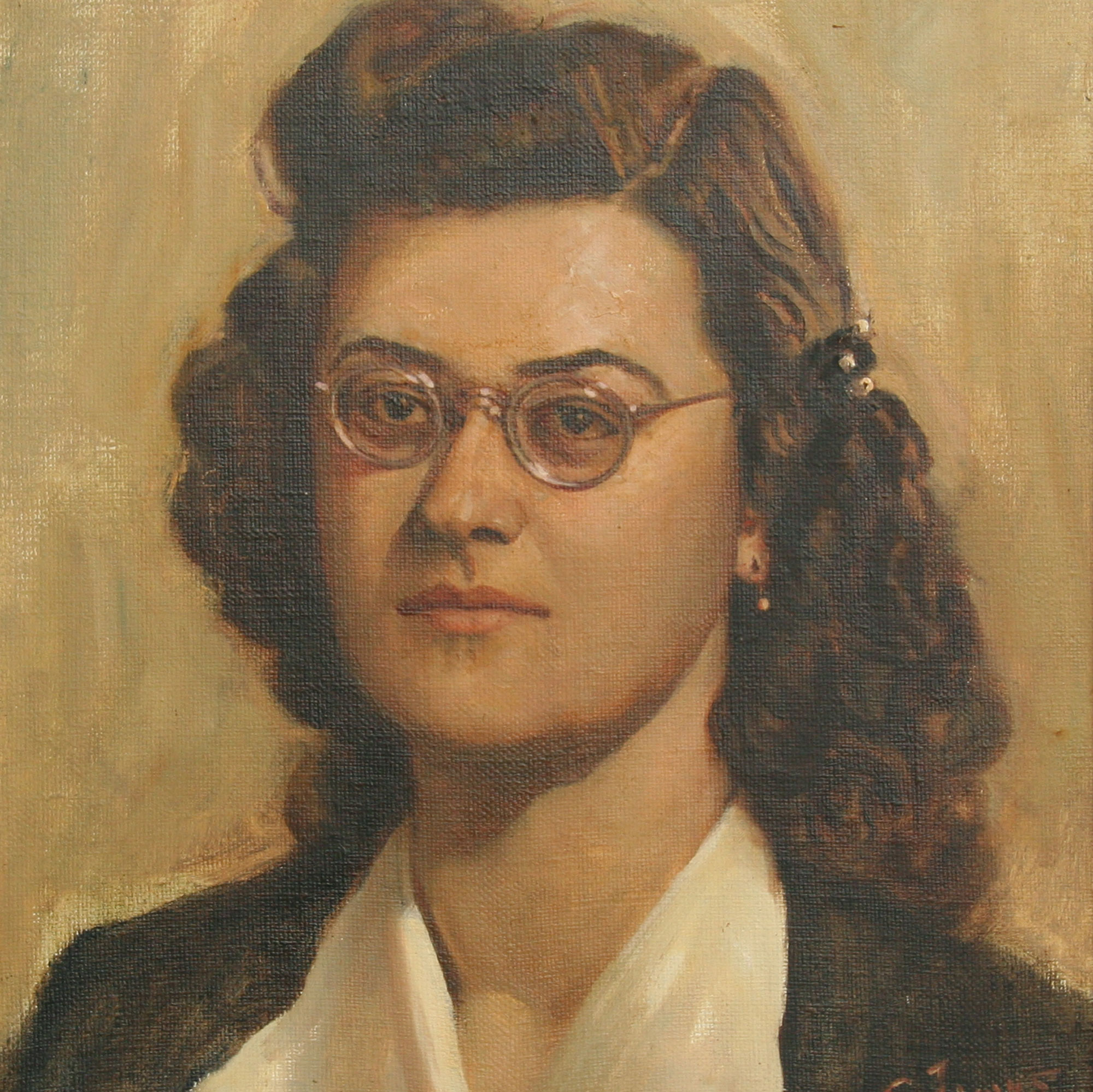
Katarina Carić (1920–2013) was a doctor who worked for nearly 20 years in various African countries, where she amassed a collection of 615 items.

Architect Đuro Kavurić (1903–1976) curated numerous museum exhibition designs in Croatia and was a passionate collector. He donated part of his collection — mostly African and Asian masks — to the Ethnographic Museum.

Vladimir Šustra worked as an engineer for the company INGRA in Bamako, the capital of Mali, during the 1960s, where he collected 36 items.

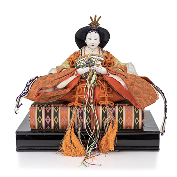
Kumiko Kono was a member of a Japanese association that sent humanitarian aid to the residents of Dubrovnik during the Croatian War of Independence. The Hina dolls, which belonged to her family, were donated to the Ethnographic Museum in 2004.