
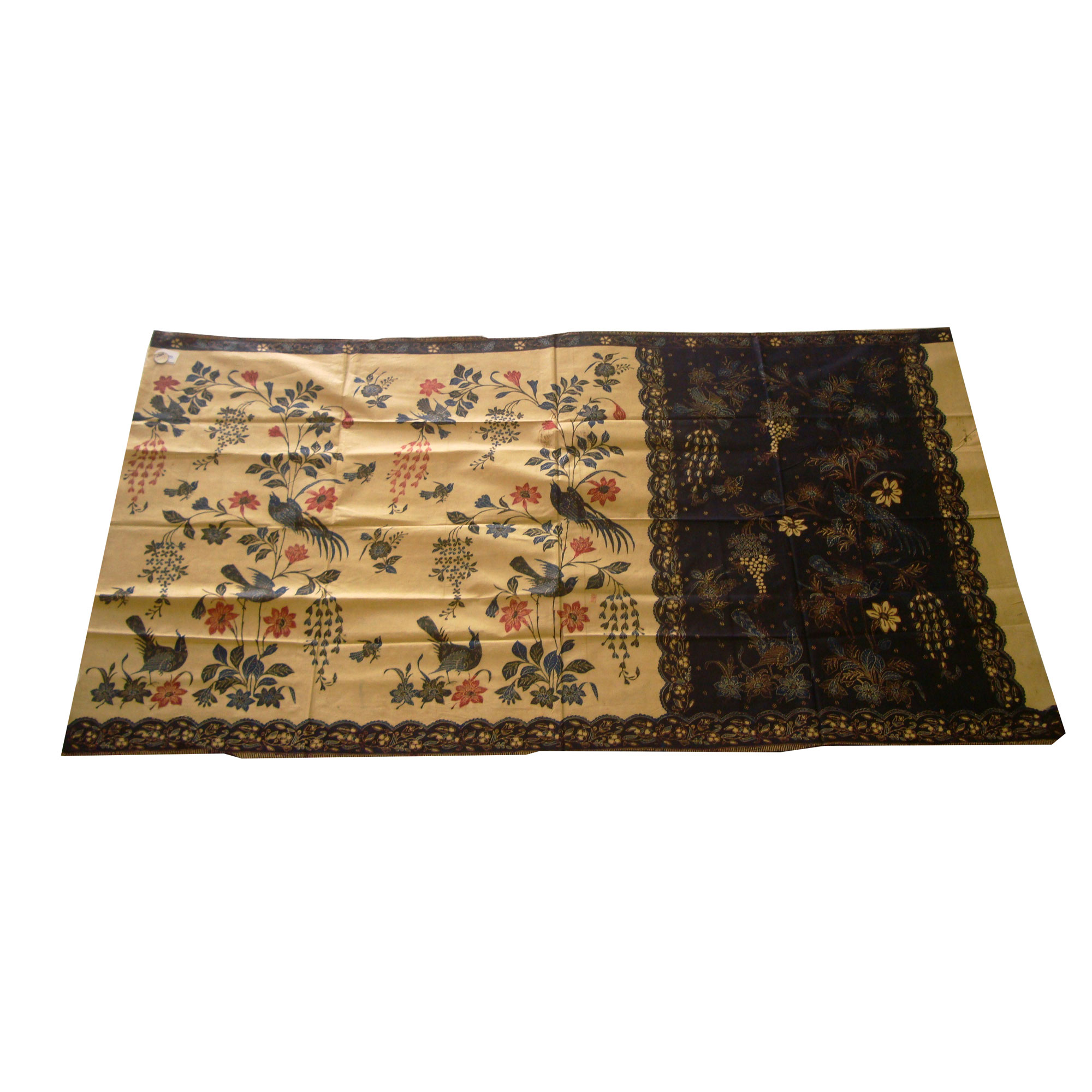
Sarong
Singapore, 19th c.
EMZ-EX1670


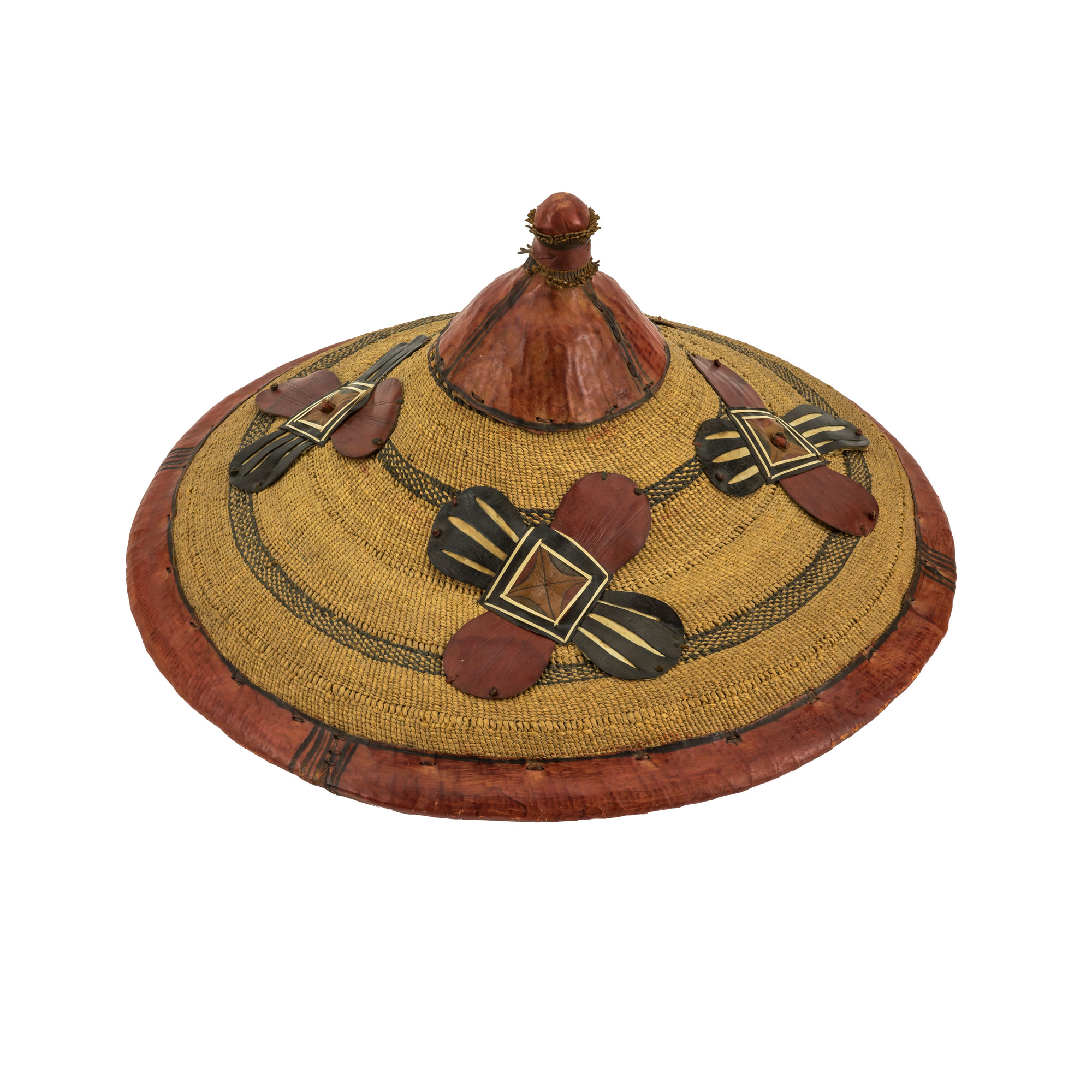
Hat
Mali, mid-20th c.
EMZ-48266
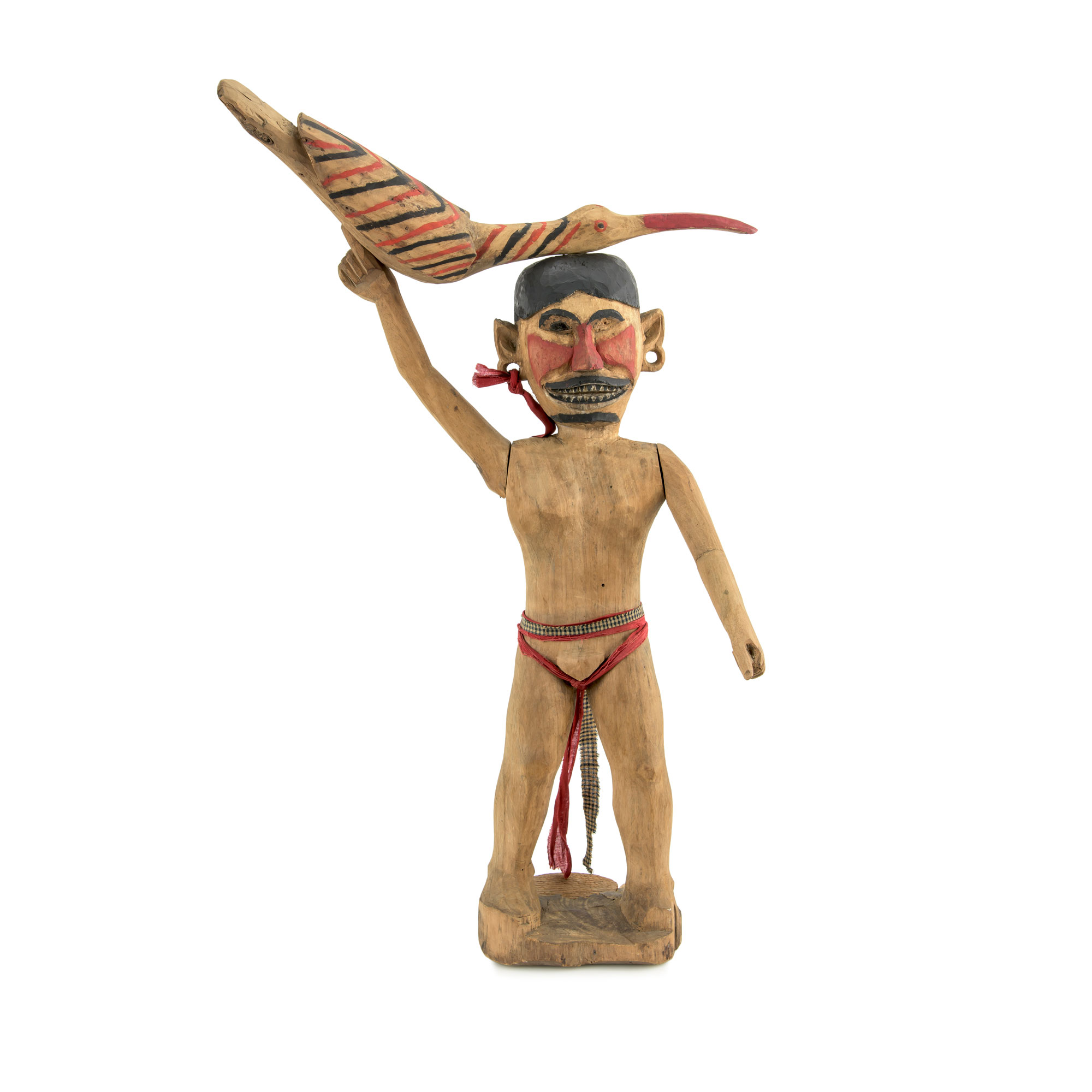
Figure
Nicobar Islands, India. 19th c.
EMZ-EX795
Figures kareau were intended to guard families against illness, bad luck and other evil spirits. They were made by ritual specialists or healers (menluana) who communicated with the spirit world. The figure was set up outside a sick person’s house in order to scare or drive away the bad spirits thought to be causing the disease. When misfortune befell a household, the figure was deemed to have lost the potency and would be discarded and replaced by a new one. The discarded figures were collected as souvenirs by visiting sailors.
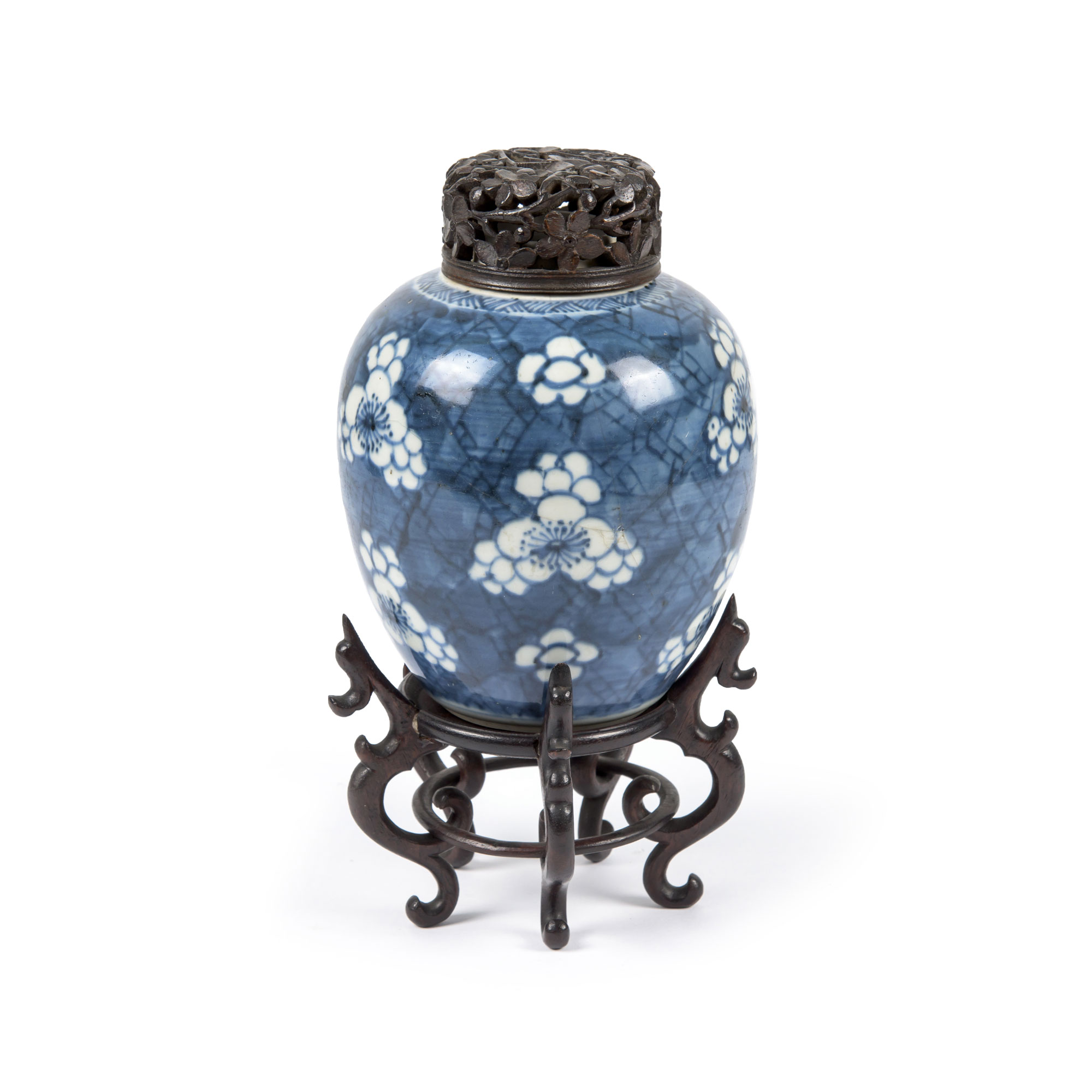
Porcelain vessel
China, 18th c.
EMZ-EX1904
Known as “ginger jars” in the West, these containers were often used for importing ginger. They became popular in the 18th century amid high demand for Chinese porcelain.
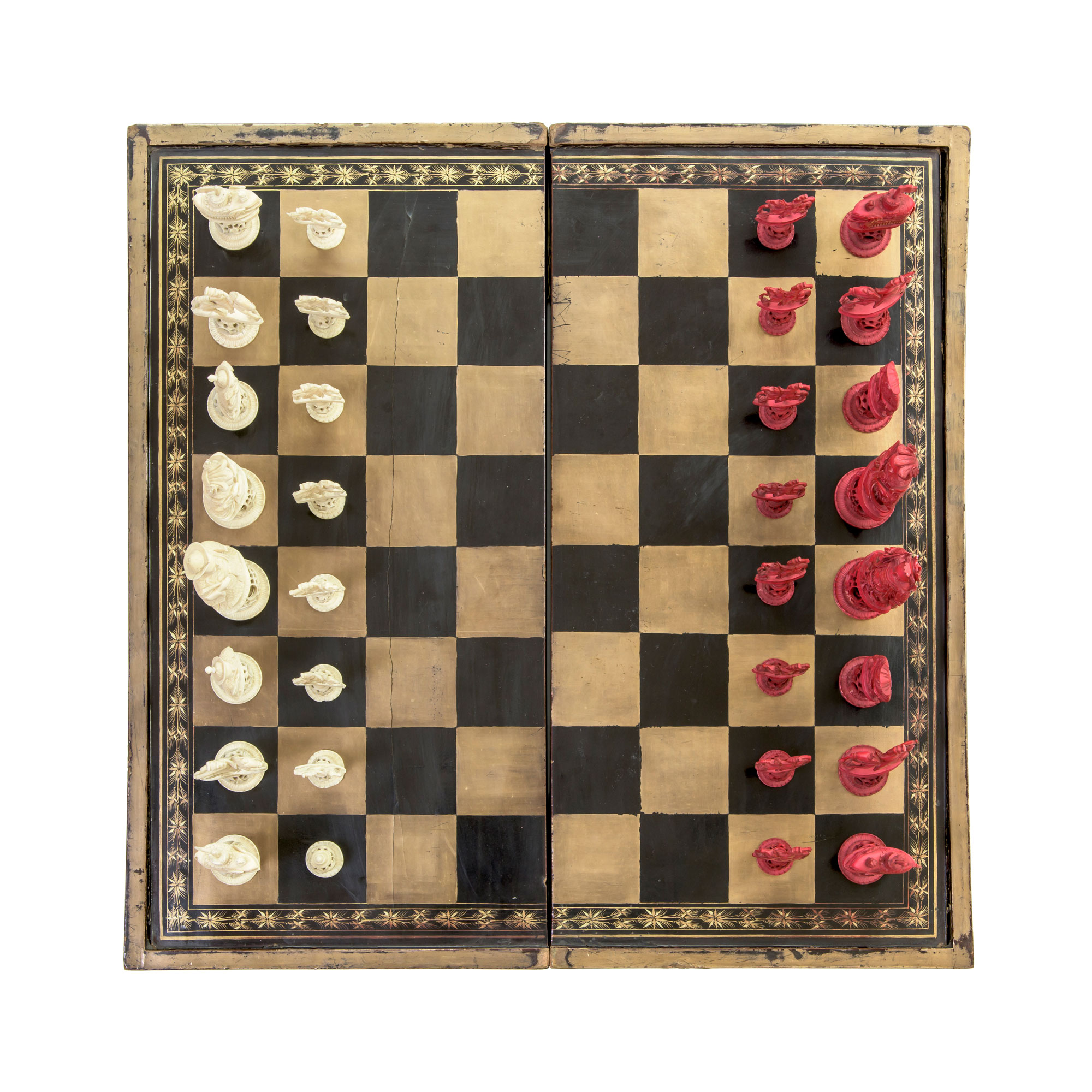
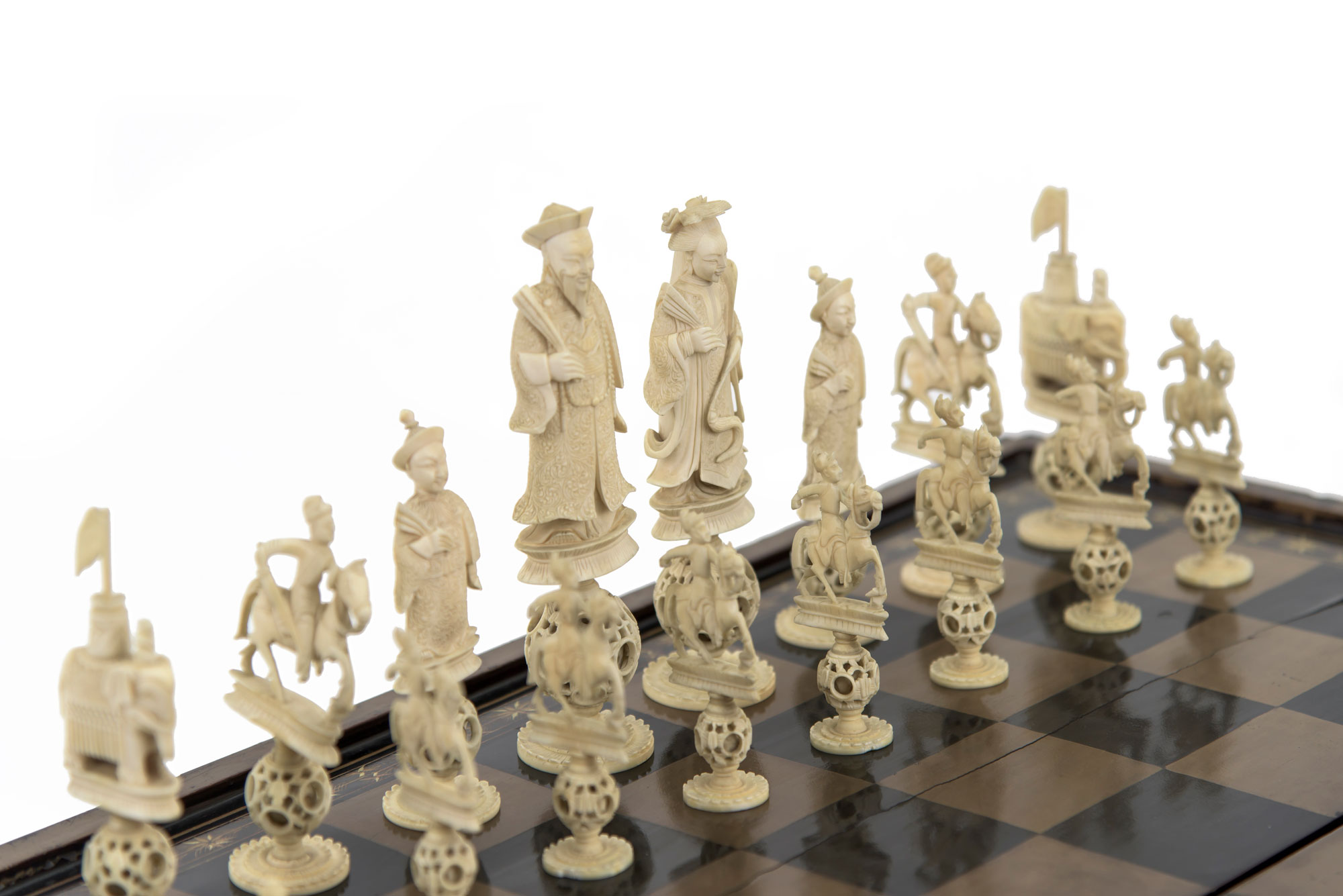
Chess set
China, 19th c.
EMZ-EX825
Between 1757 and 1842, the port of Guangzhou was the only Chinese port accessible to most foreign traders. The main staples of trade were tea, silk, and porcelain, though foreign traders also wanted to bring home art and souvenirs. Local craftsmen responded by creating items to suit European needs and tastes. Chess sets were popular, with most depicting members of the Chinese court, such as the one displayed, though some showed European rulers.
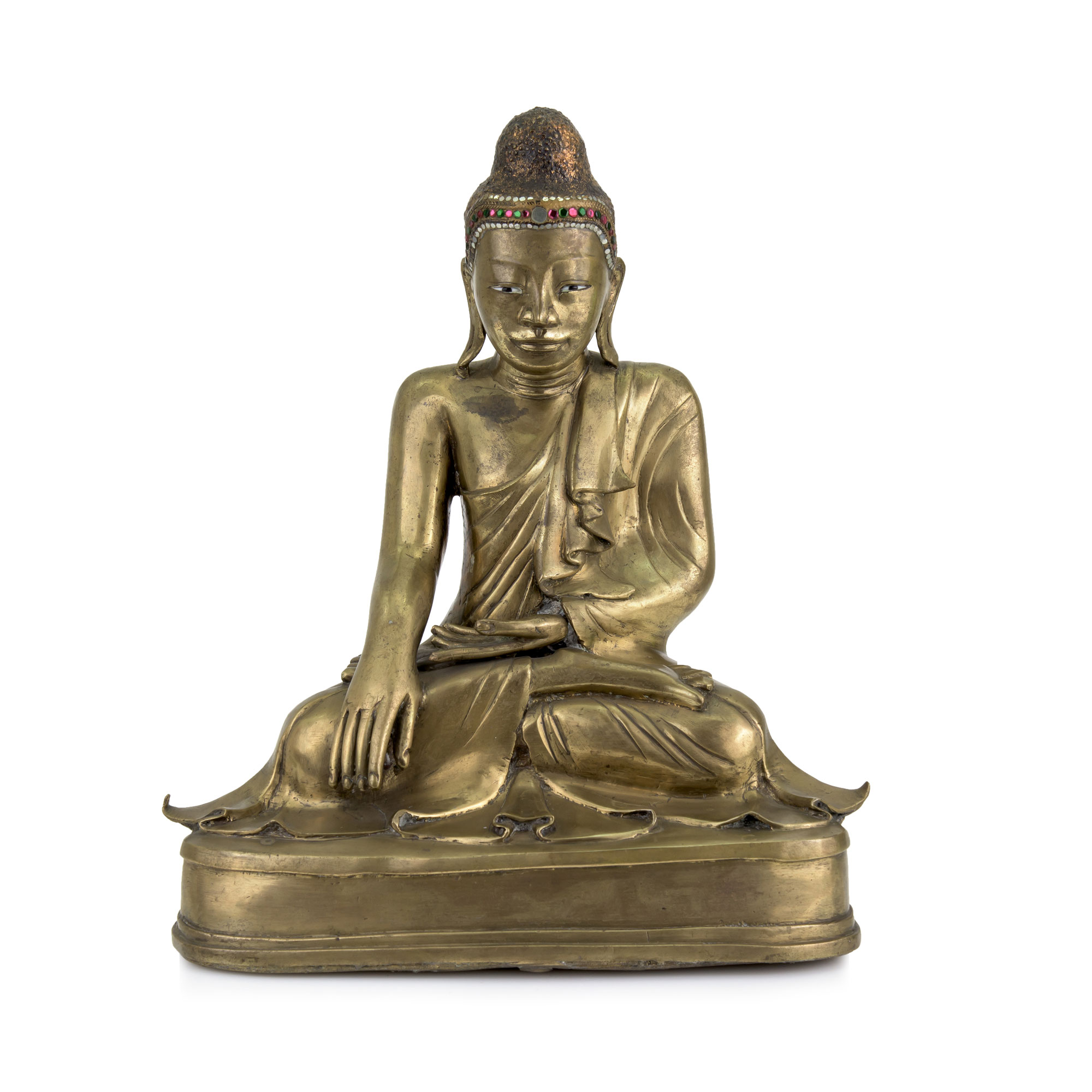
Buddha figure
Mjanmar, 19th c.
EMZ-EX786
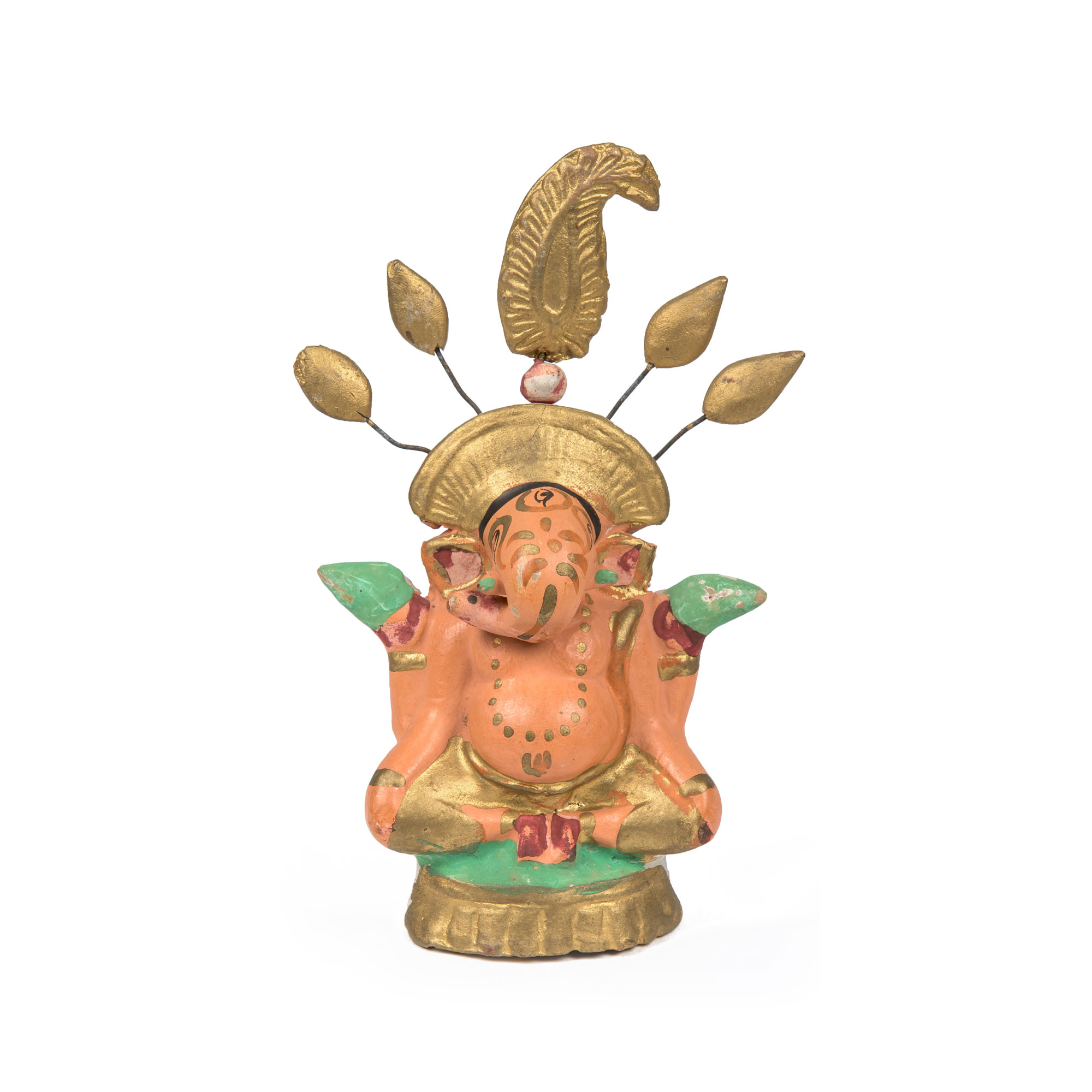
Ganesha figure
West Bengal, India, 19th c.
EMZ-EX1856
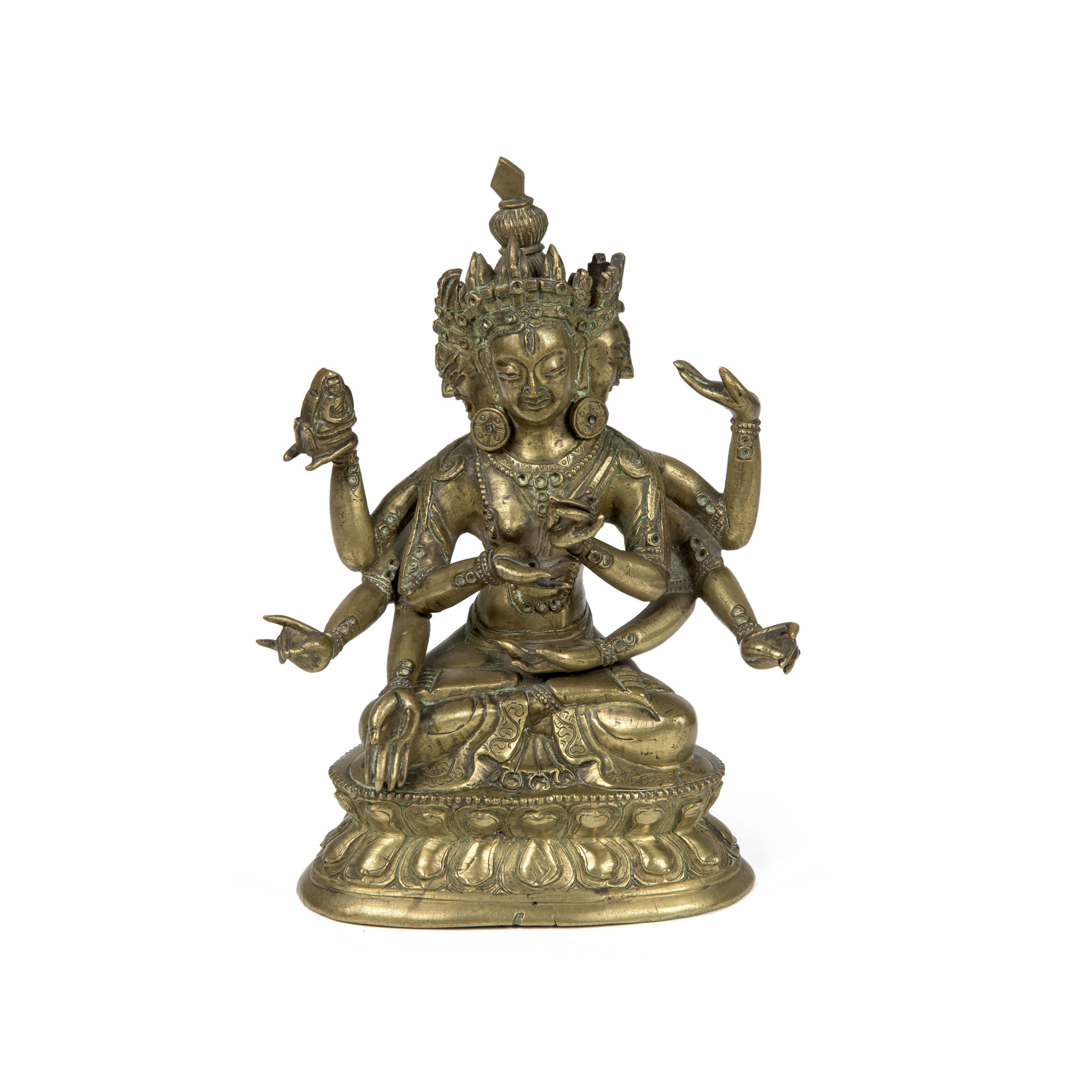
Shiva figure
India, 19th c.
EMZ-EX1329
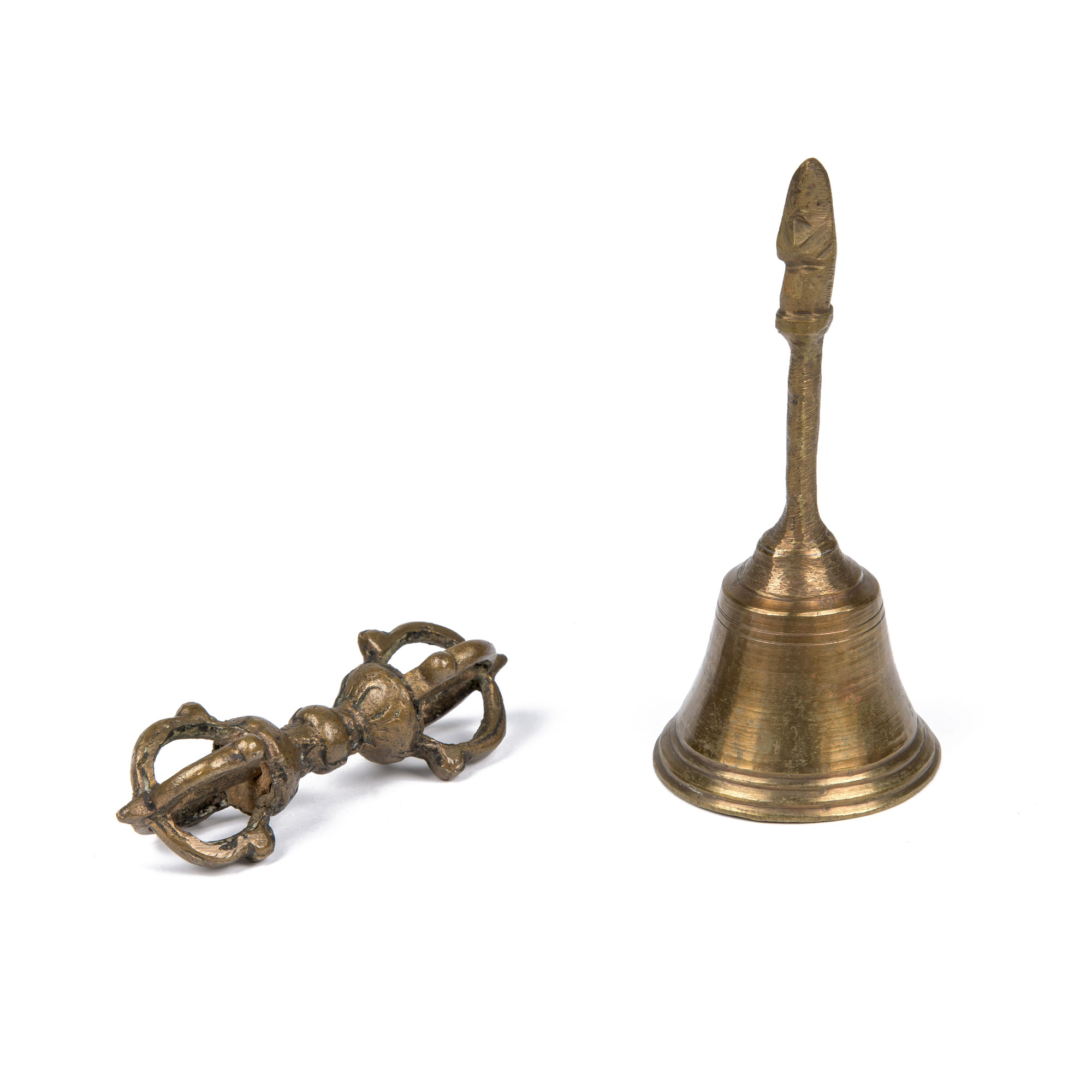
Vajra and bell
Nepal or Tibet, 19th c.
EMZ-EX1546, EMZ-EX1842
Buddhist ritual objects. They are often used together, and they represent qualities crucial for enlightenment.
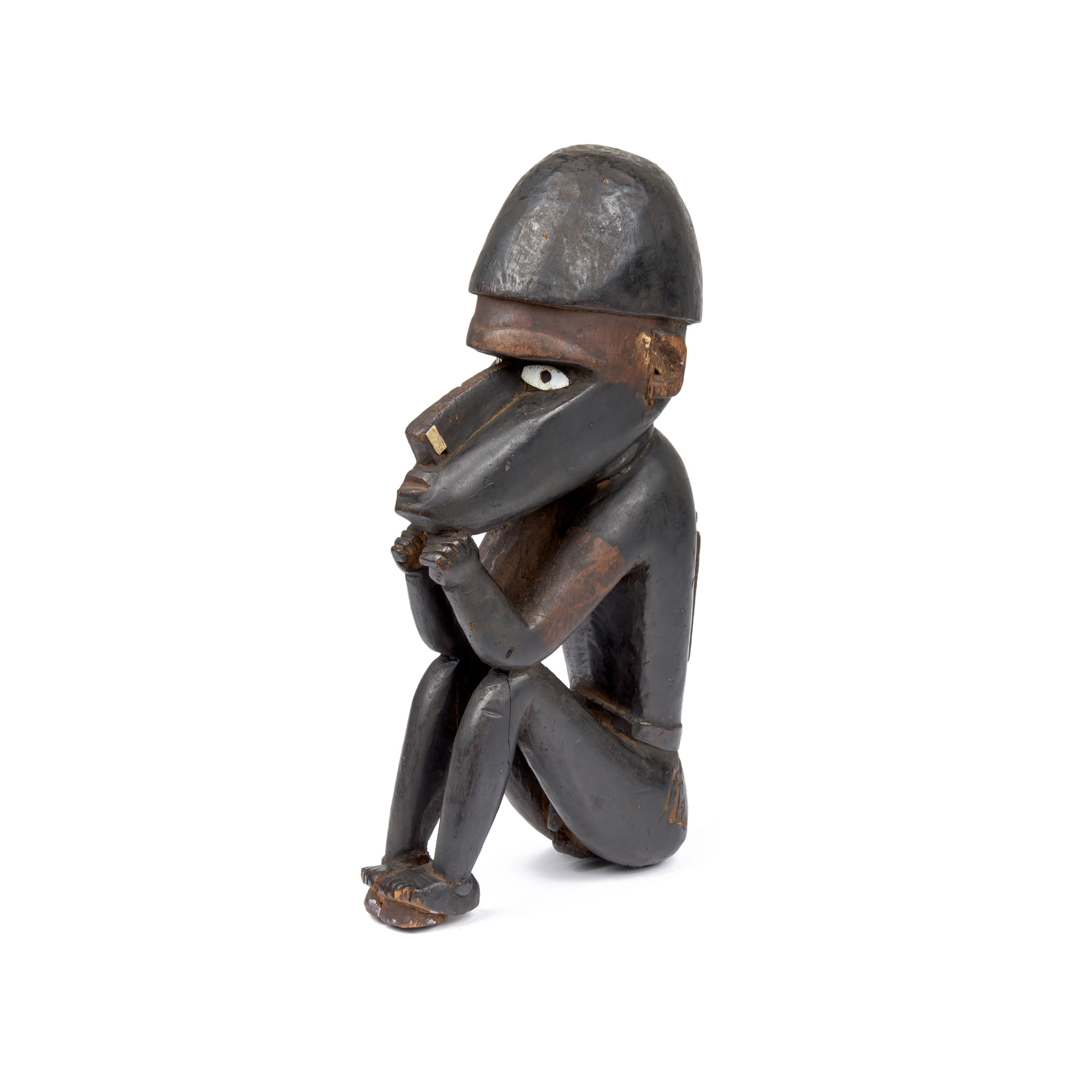
Figure, decoration for a ship’s bow
Choiseul, Solomon Islands, 19th c.
EMZ-EX698
This figure was attached to the bow of a war canoe or boat. It represents a warrior spirit who watched out for danger.
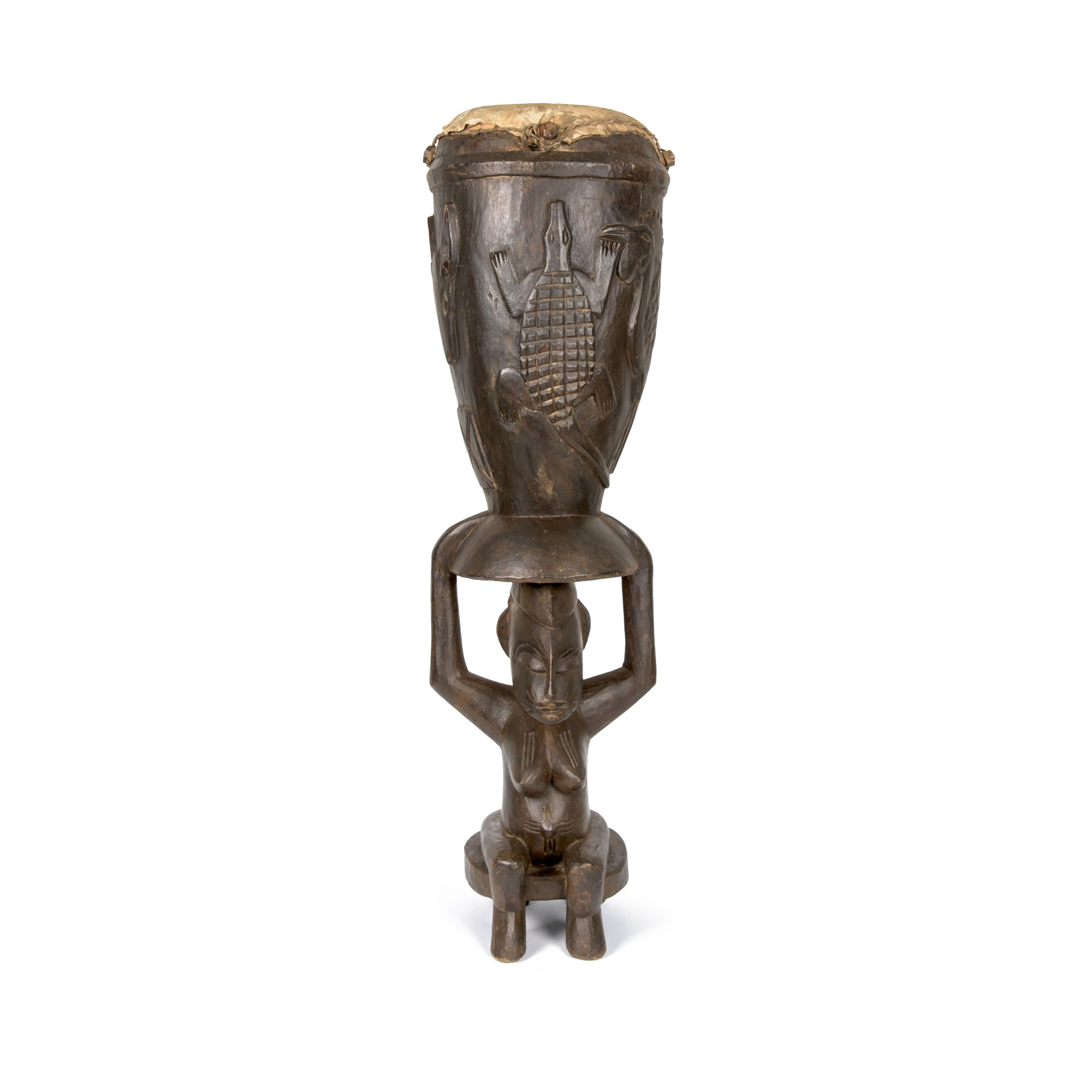
Drum
Korhogo, Ivory Coast, 20th c.
EMZ-52174
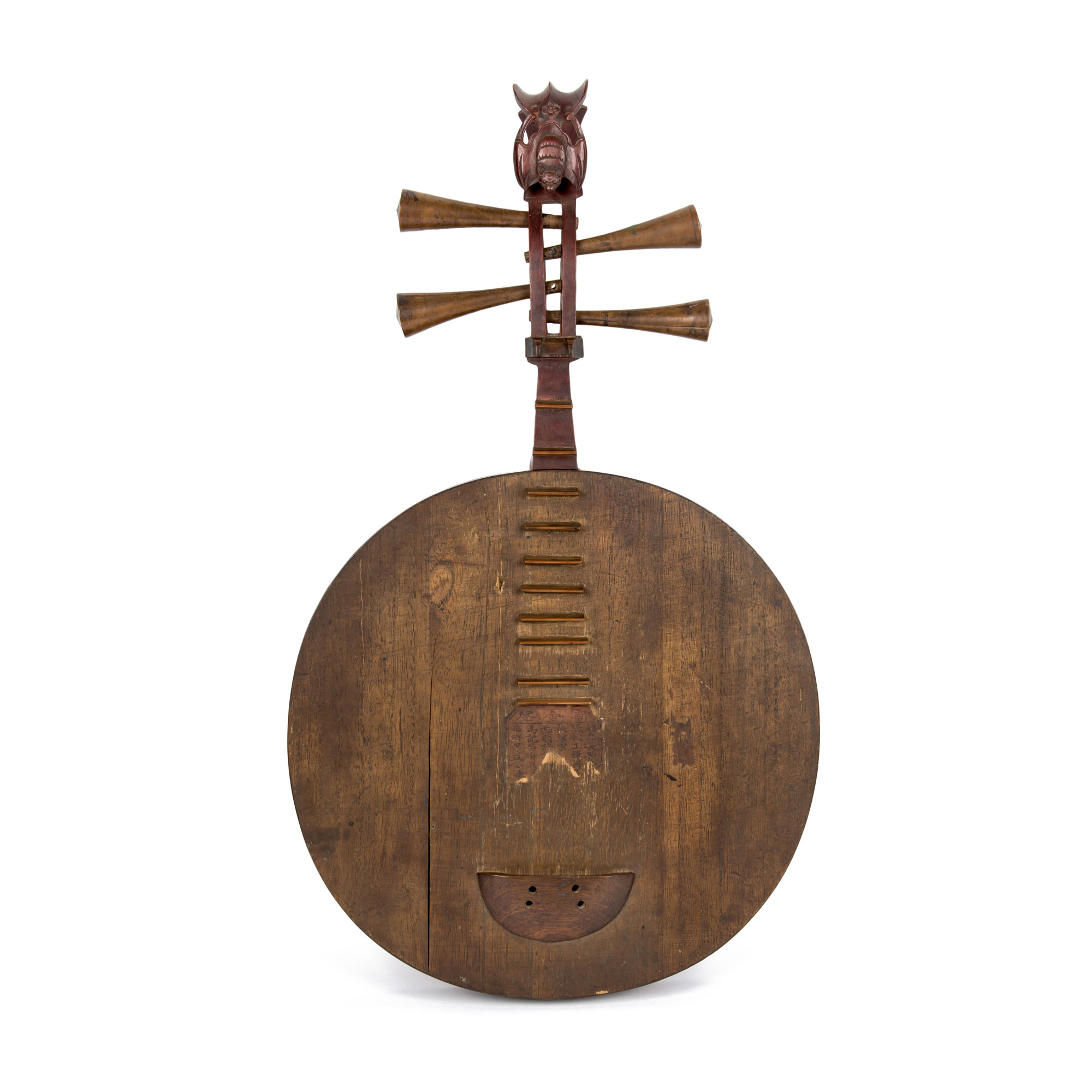
Chordophone musical instrument yueqin
China, 19th c.
EMZ-2781
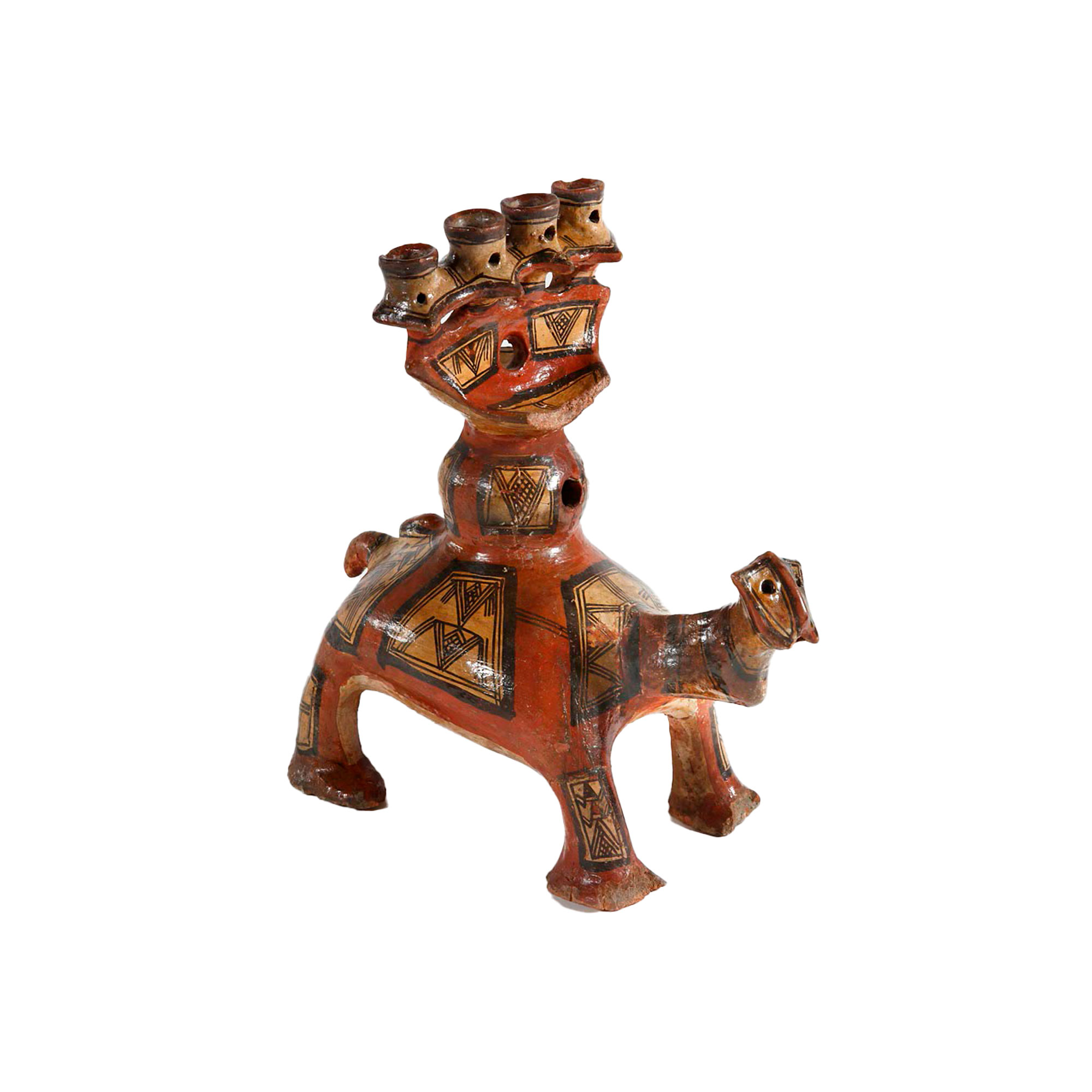
Candle holder
Kabylia, Algeria, 19th c.
EMZ-5EX30
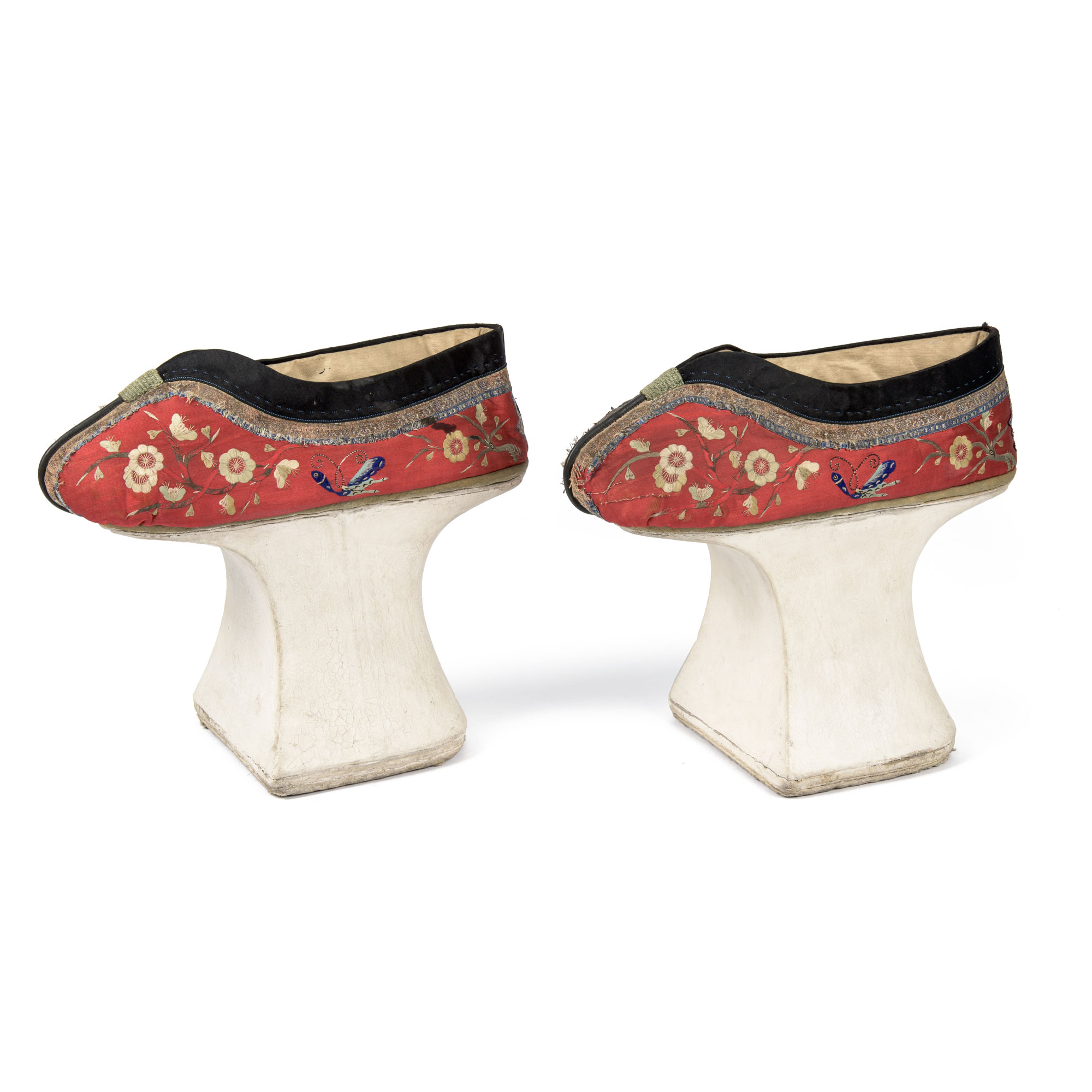
Pair of Manchu platform shoes
China, 19th c.
EMZ-EX842AB
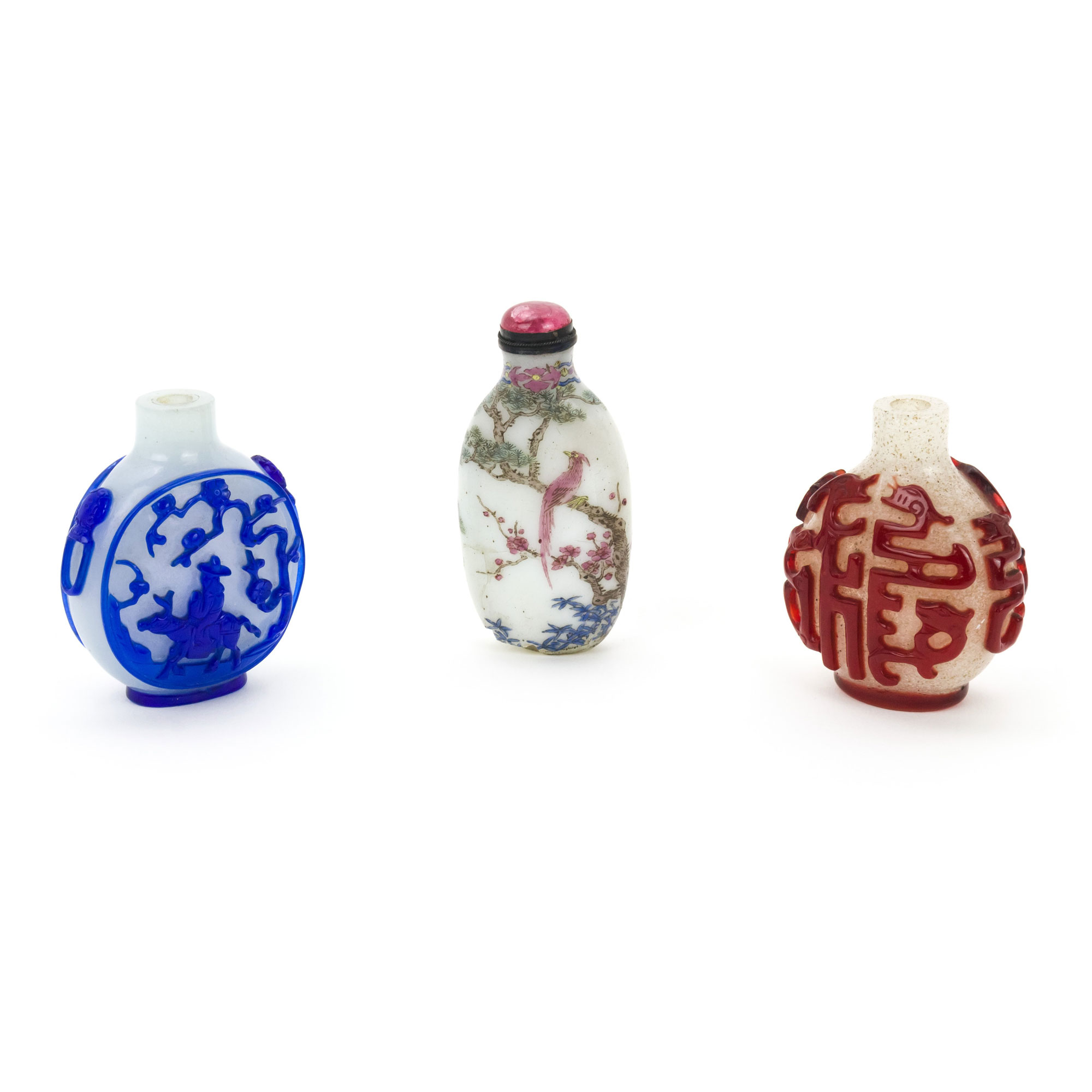
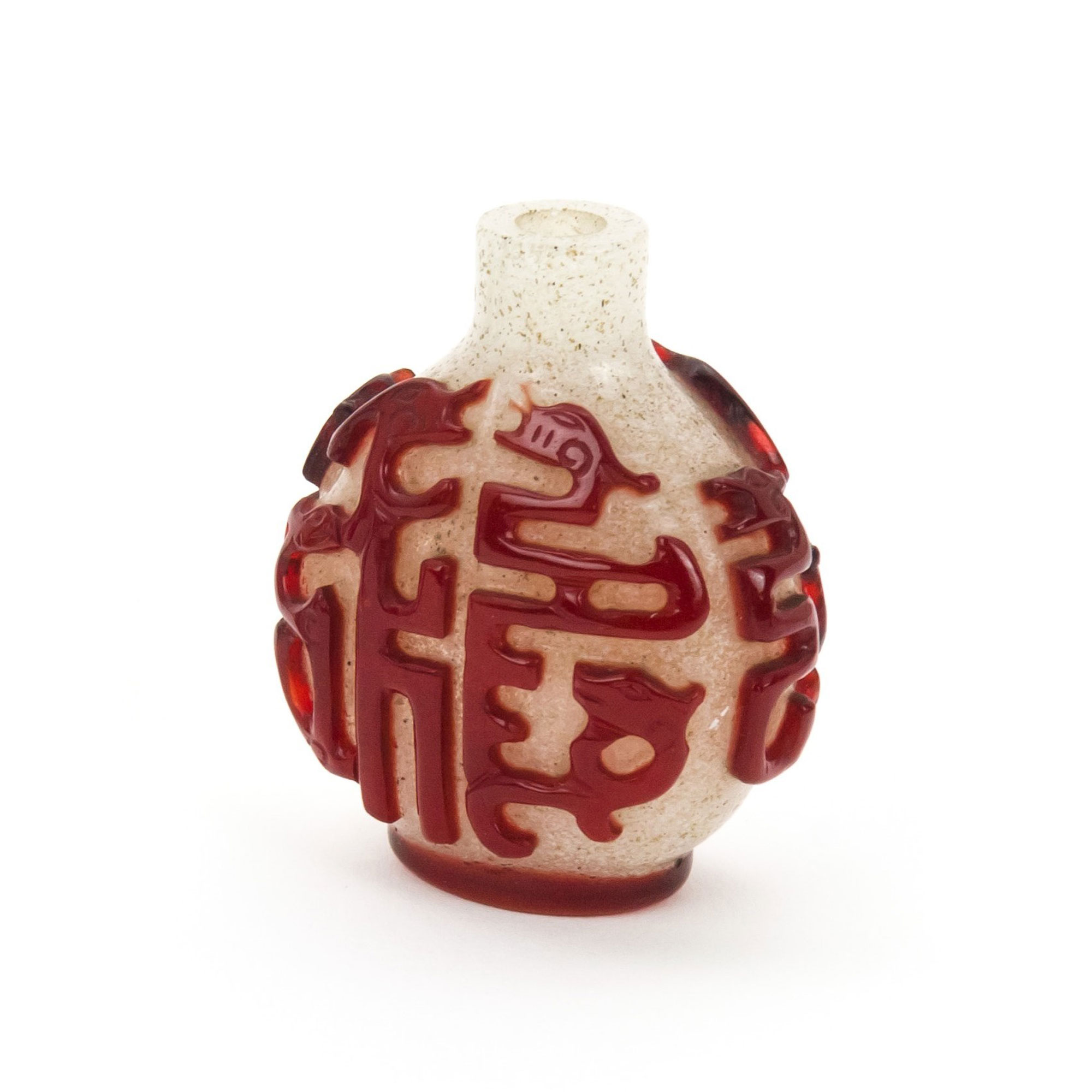
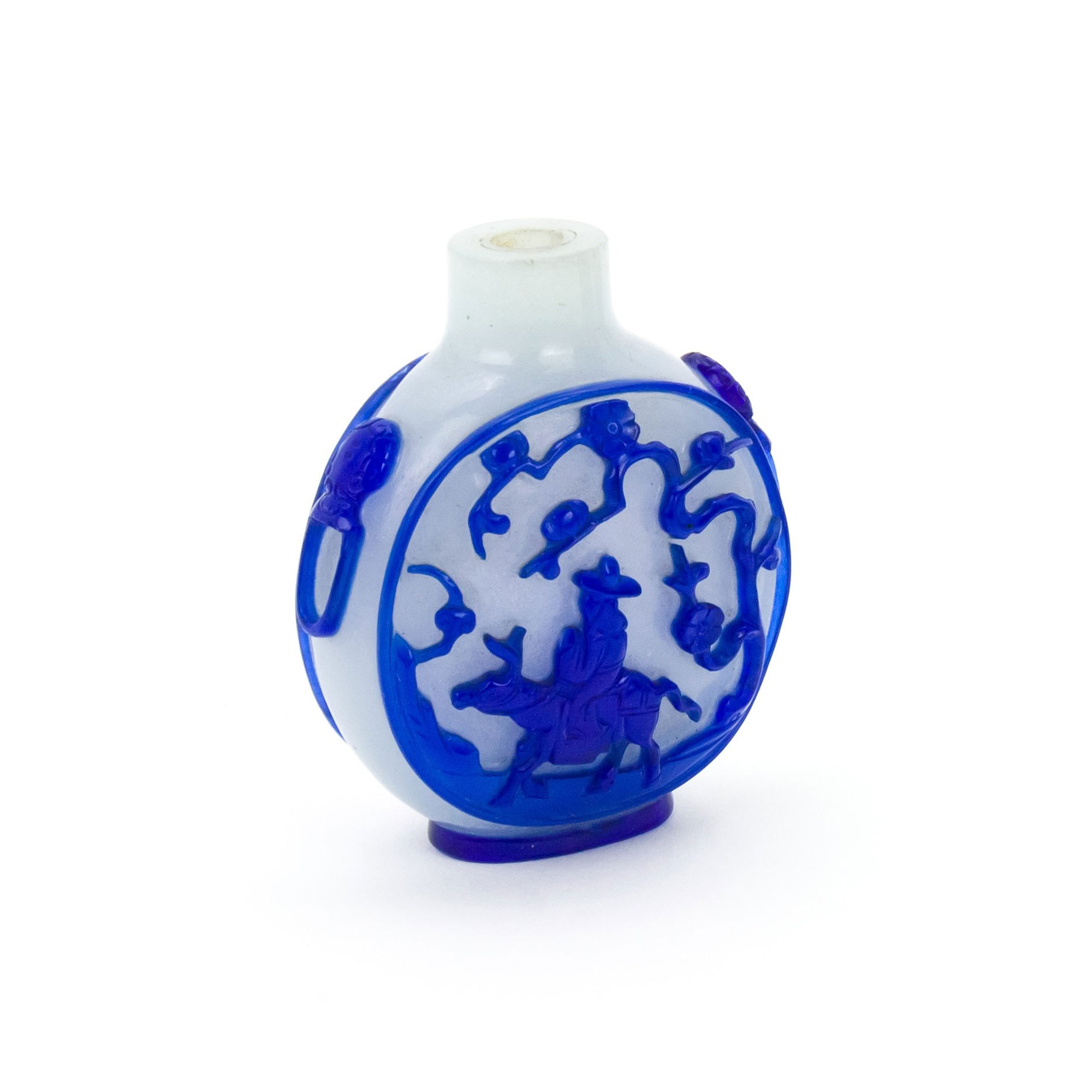
Snuff bottles
China, 19th c.
EMZ-EX1573, EMZ-EX1574
Consuming snuff became popular among the upper classes in China in the late 17th century. Snuff (fine tobacco powder) was kept in small bottles, which quickly became symbols of status. Today, they are highly valued by collectors and are also made and sold as souvenirs and gifts.
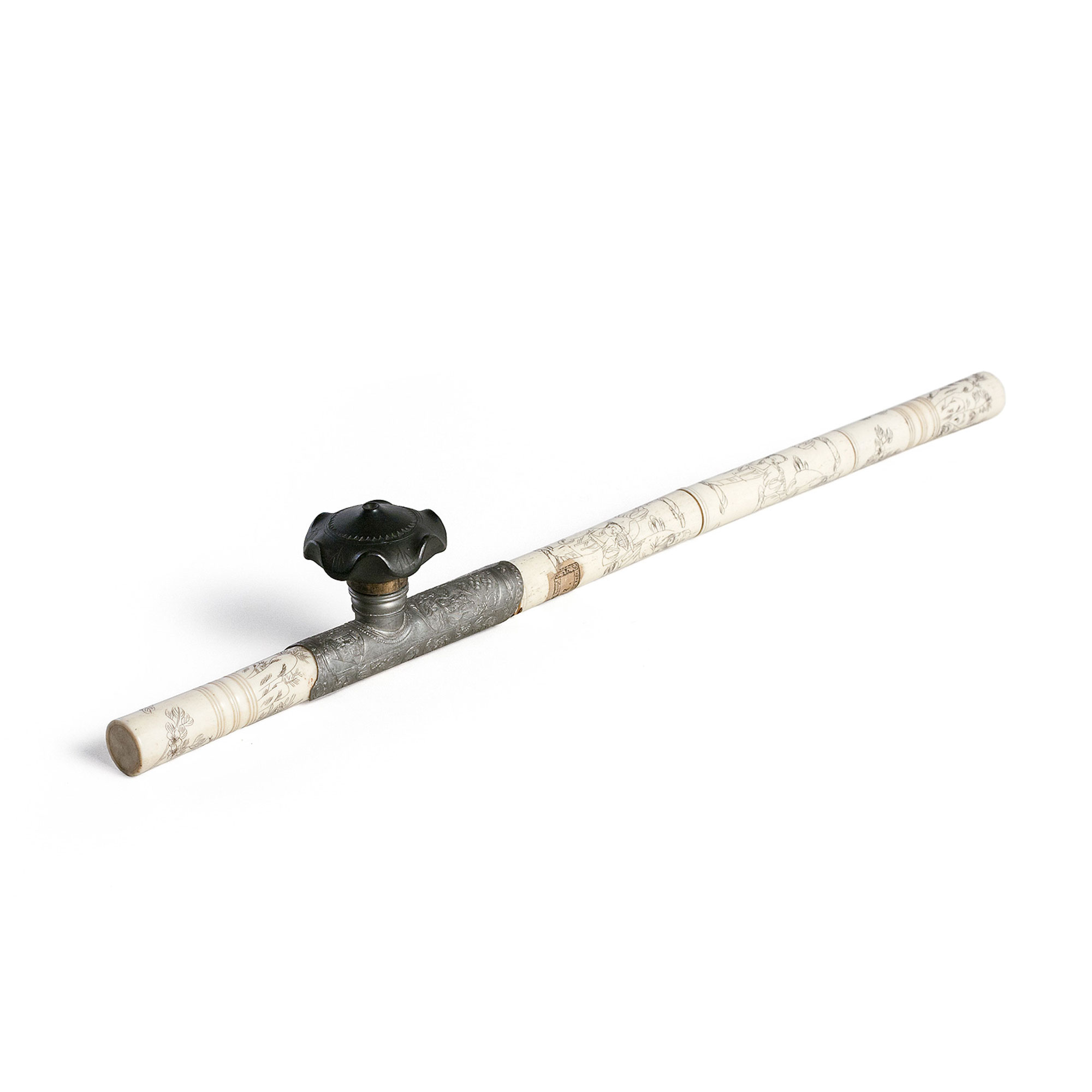
Opium pipe
China, 19th c.
EMZ-EX823A
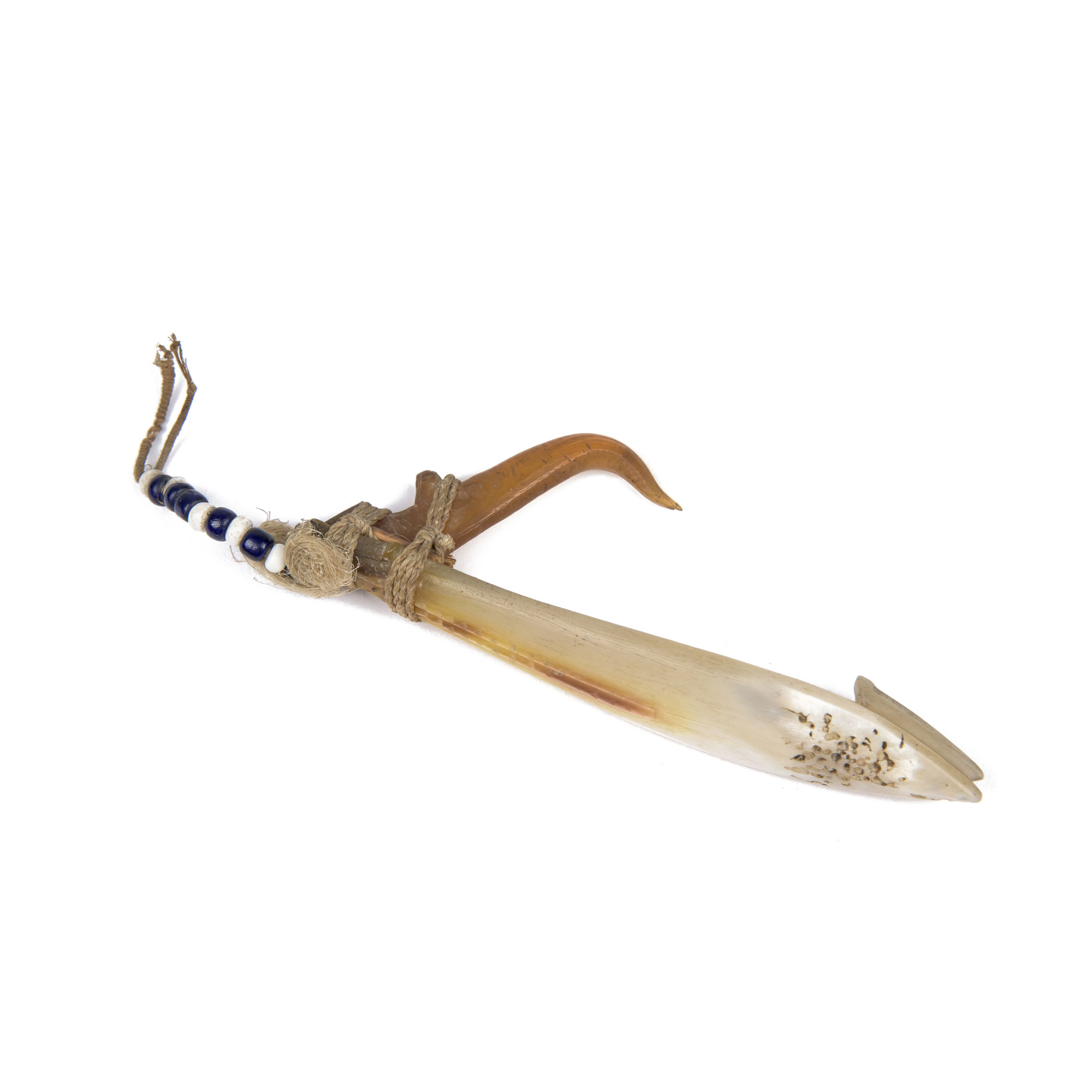
Fish Hook
Solomon Islands, 19th c.
EMZ-EX714
These hooks were made and used by men for catching bonito, a fish considered sacred in the Solomon Islands.
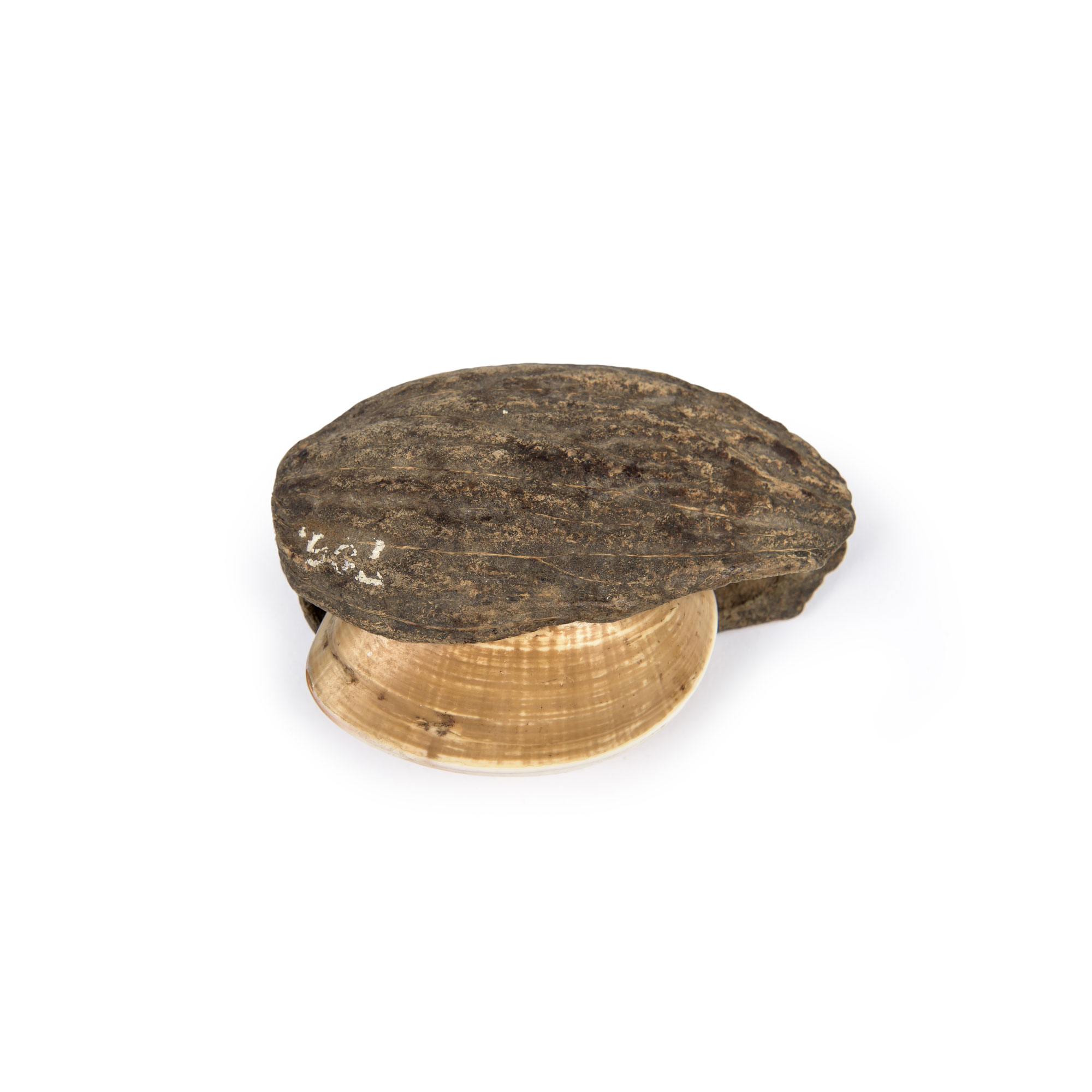
Tweezers
Solomon Islands, 19th c.
EX1016
A shell embedded into a dried fruit husk for better grip and ergonomics; these tweezers were used to remove facial hair.
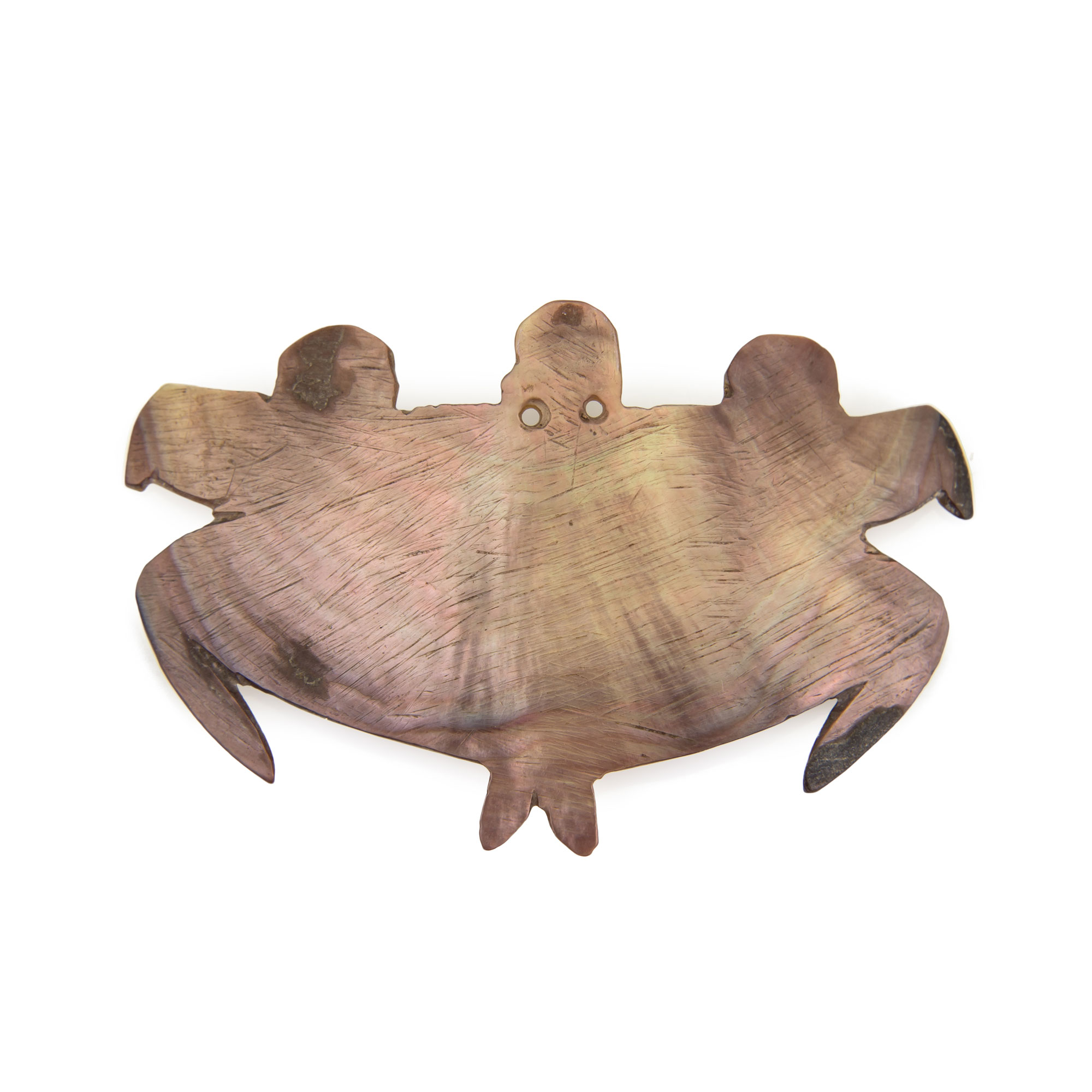
Mother of pearl pendant
Solomon Islands, 19th c.
EMZ-EX1019
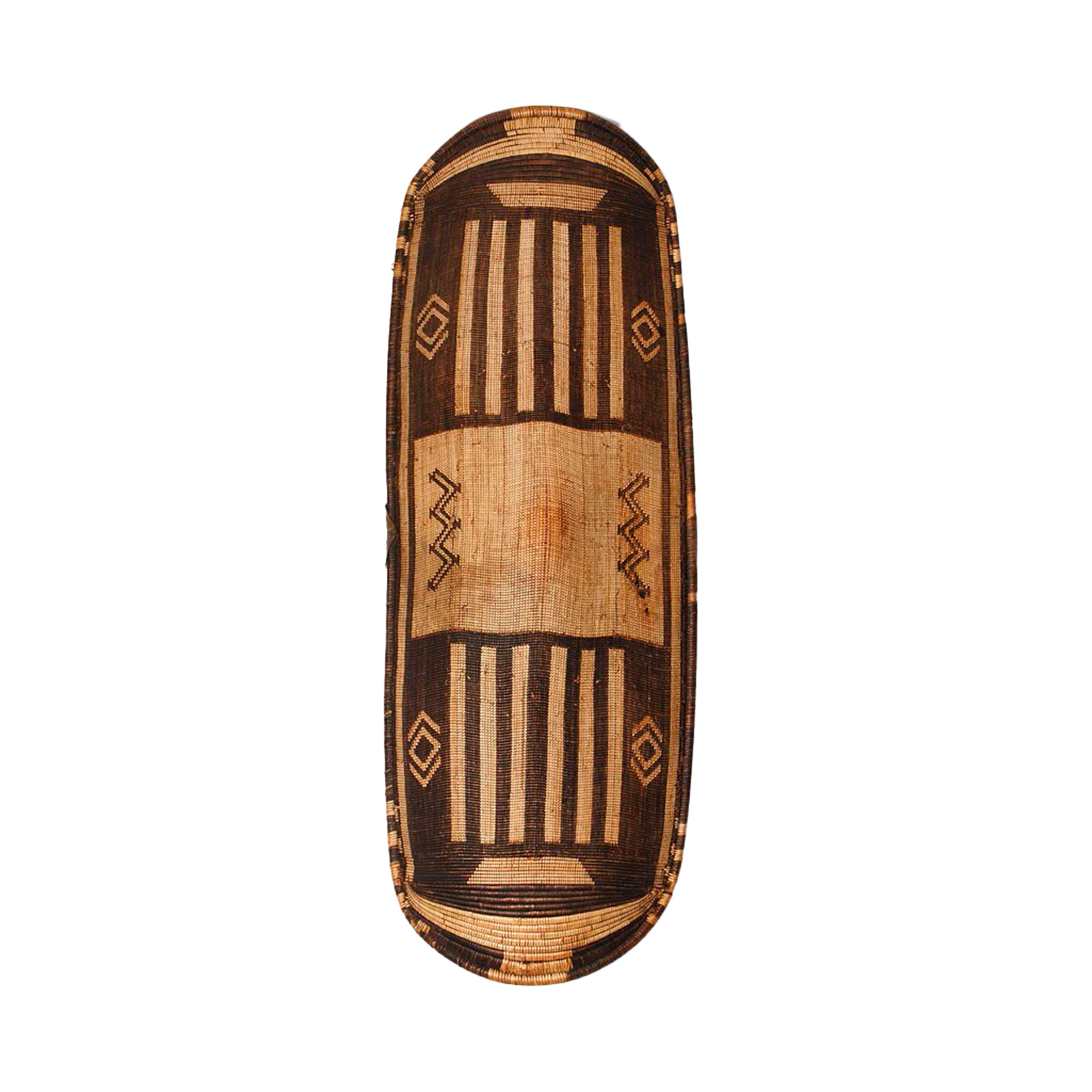
Shield
DR Congo, 19th c.
EMZ-EX566
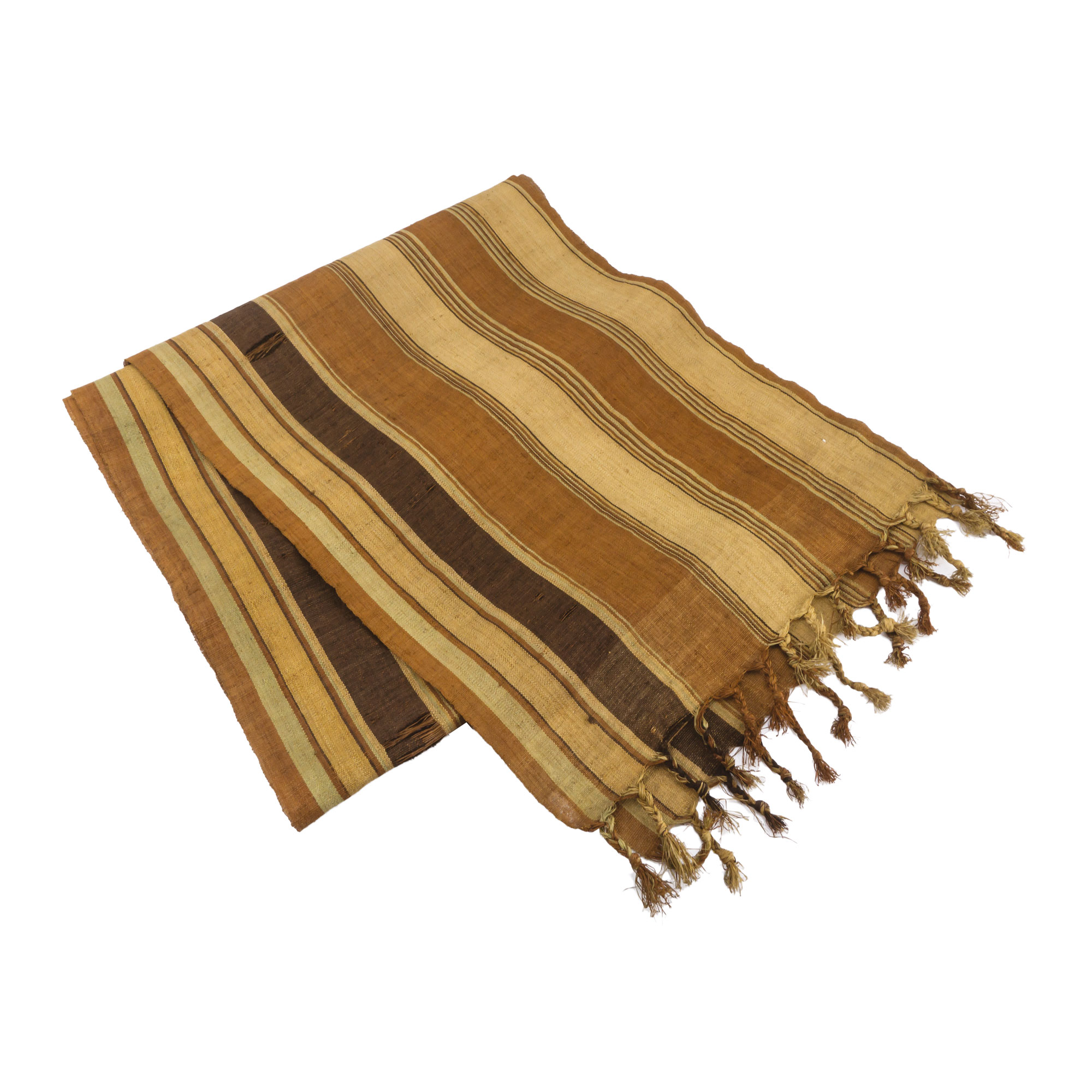
Lamba (garment) made of raffia
Madagascar, 19th c.
EMZ-EX554
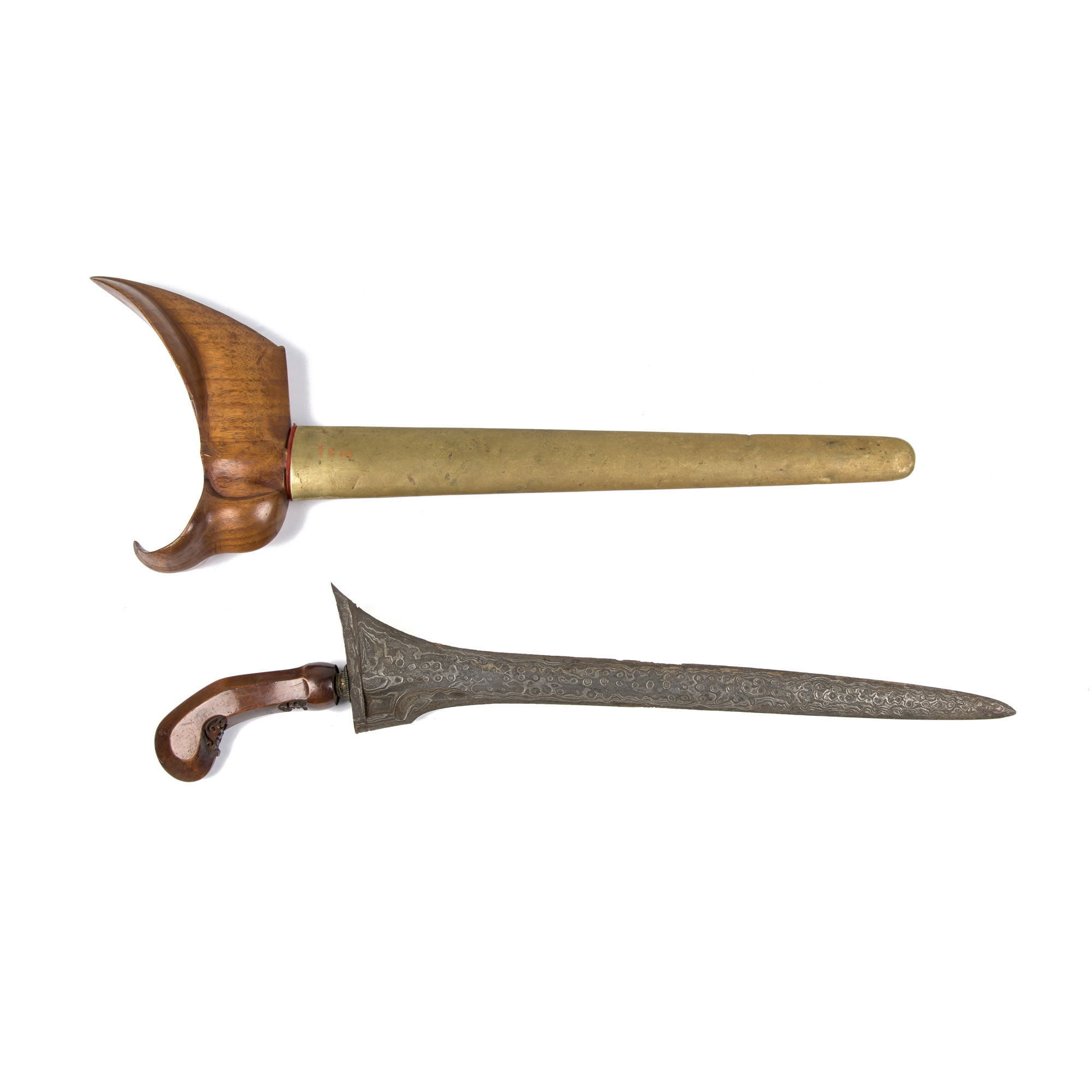
Kris Dragger
Indonesia, 19th c.
EMZ-EX773
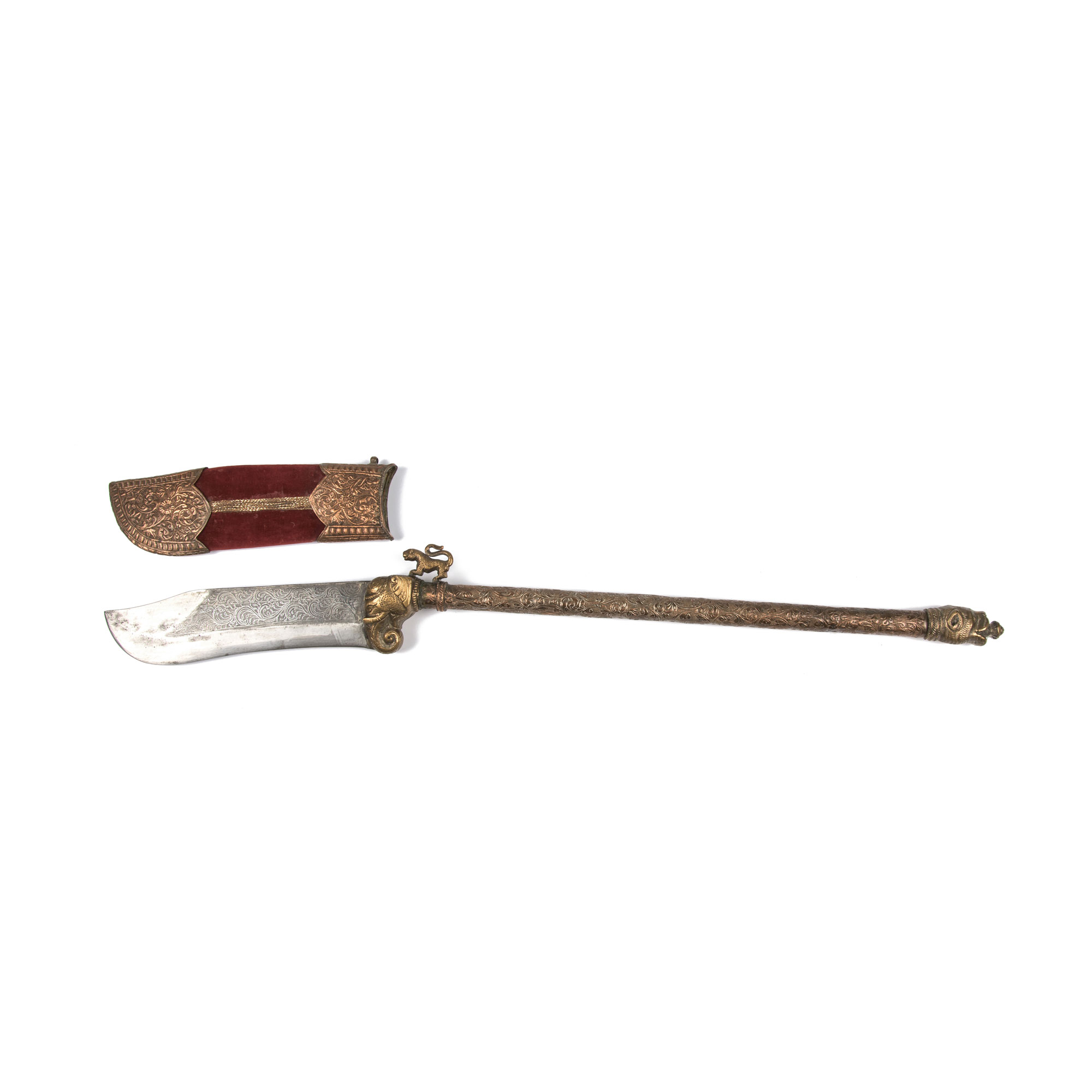
Bhuj Knife
India, 19th c.
EMZ-EX496
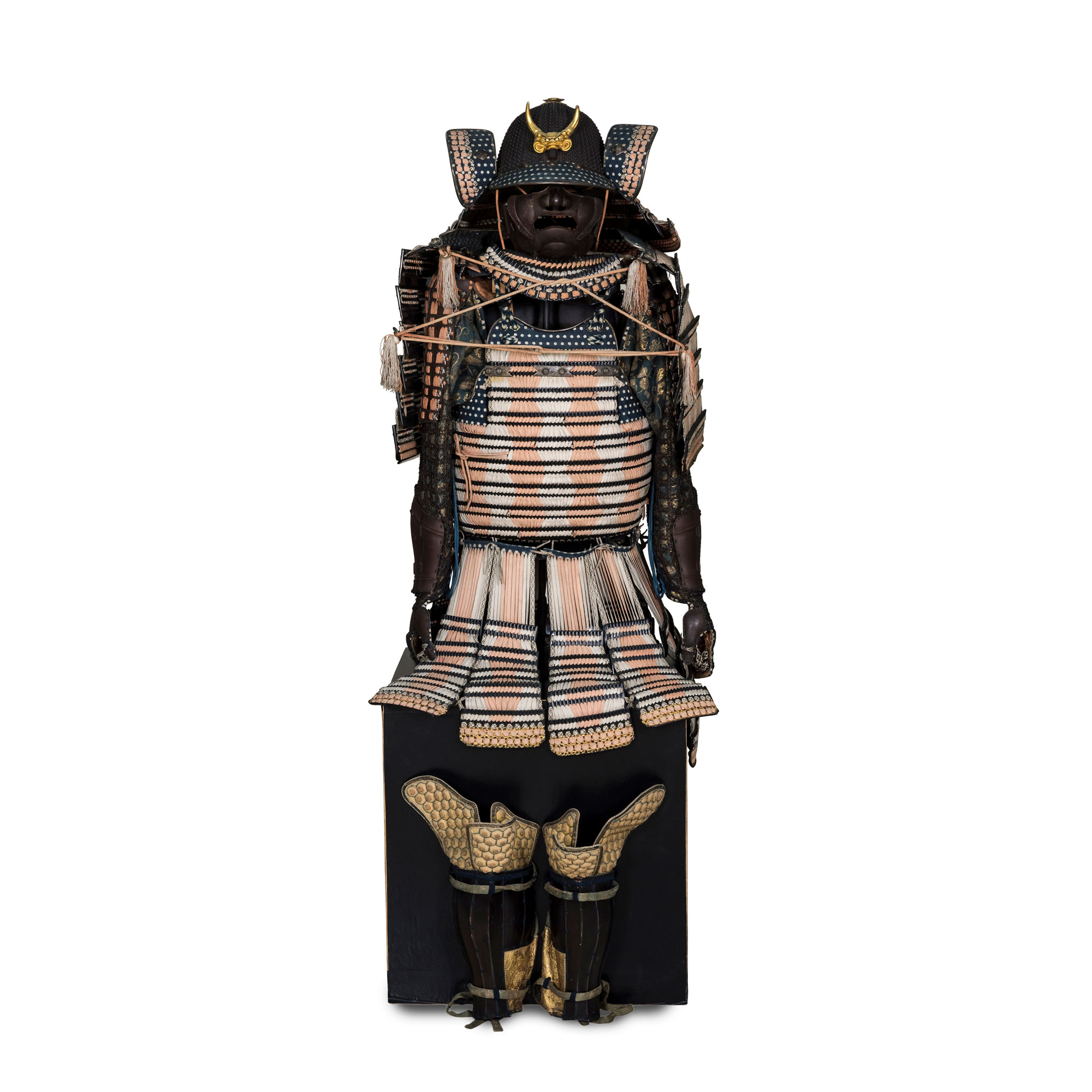
Samurai armor
Japan, 18th c.
EMZ-EX870