
When the Ethnographic Museum was founded in 1919, its initial collection included around 1,500 objects from non-European cultures. These were originally held by the Archaeological-Historical Department of the National Museum, the Museum of Arts and Crafts, and the collection of Salamon Berger.
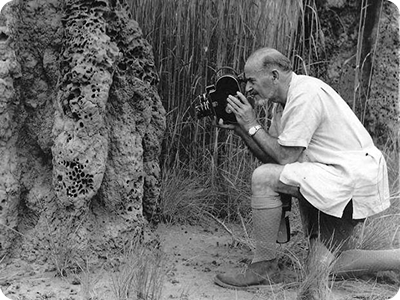
Most of the items were donated by colonial officials, merchants, and sailors. The collection was later supplemented with gifts from missionaries, foreign governments, travelers, and numerous individuals. Part of the collection was gathered by citizens who worked and lived in countries of the Global South during the time of Yugoslavia.
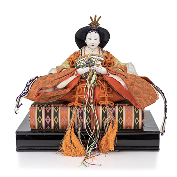
Today, the collection comprises more than 3,500 objects, with the largest number coming from Africa, followed by Asia, Australia and Oceania, and South America. It was not systematically collected by museum professionals, but is almost exclusively based on donations. The Collection includes everyday items, weapons, religious, and ritual objects. Its original name, “Exotic Collection,” and the later “Collection of Non-European Cultures” reflect how these items, and the people who made and used them, were perceived — as something foreign and different, not defined by the European cultural space.
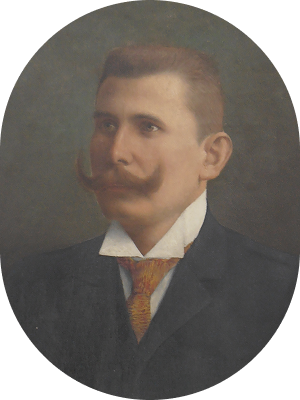
Items from the Collection have been displayed in all the permanent exhibitions of the Museum, mostly categorized by geography and separated from objects of national culture. The first exhibition was authored by Mirko Kus Nikolajev. Curator Aleksandra Lazarević systematically worked on the Collection from 1965 to 1987. She published the diaries of Dragutin Lerman and processed the materials gathered by the Seljan brothers. Since 2012, efforts have been made toward the digitization, accessibility, and presentation of the Collection, as well as the exchange of knowledge and experiences with other professionals and museums.