
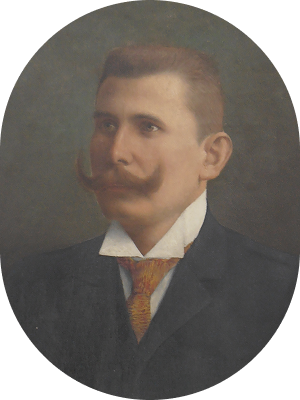




Milka Trnina (1863–1941) was a soprano of international acclaim. Born in Vezišće, she studied singing in Zagreb and graduated from the conservatory in Vienna. She was a member of the opera companies in Leipzig, Graz, Bremen, and Munich, and from 1900 onwards, she worked as a freelance artist. She frequently performed at London’s Covent Garden and the Metropolitan Opera in Boston. A standout among her many roles is Puccini’s Tosca. Upon returning to Zagreb, she became an honorary professor at the Academy of Music.
She donated items to the Ethnographic Museum, which she had received from her friend William Sturgis Bigelow, a collector of Japanese and Chinese art whose extensive collection is housed in the Museum of Fine Arts in Boston. In the 1880s, Bigelow lived in Japan, which had recently opened up to international trade, sparking a wave of interest in Japanese art and design in the West. Since there were no laws restricting the export of cultural heritage items at that time, valuable objects were sold off in large numbers. Affordable ukiyo-e woodblock prints were also in high demand, inspiring European Impressionist and Post-Impressionist painters. However, the adoption of Japanese artistic concepts was often based on European perceptions of Japanese culture.

Milka Trnina’s study
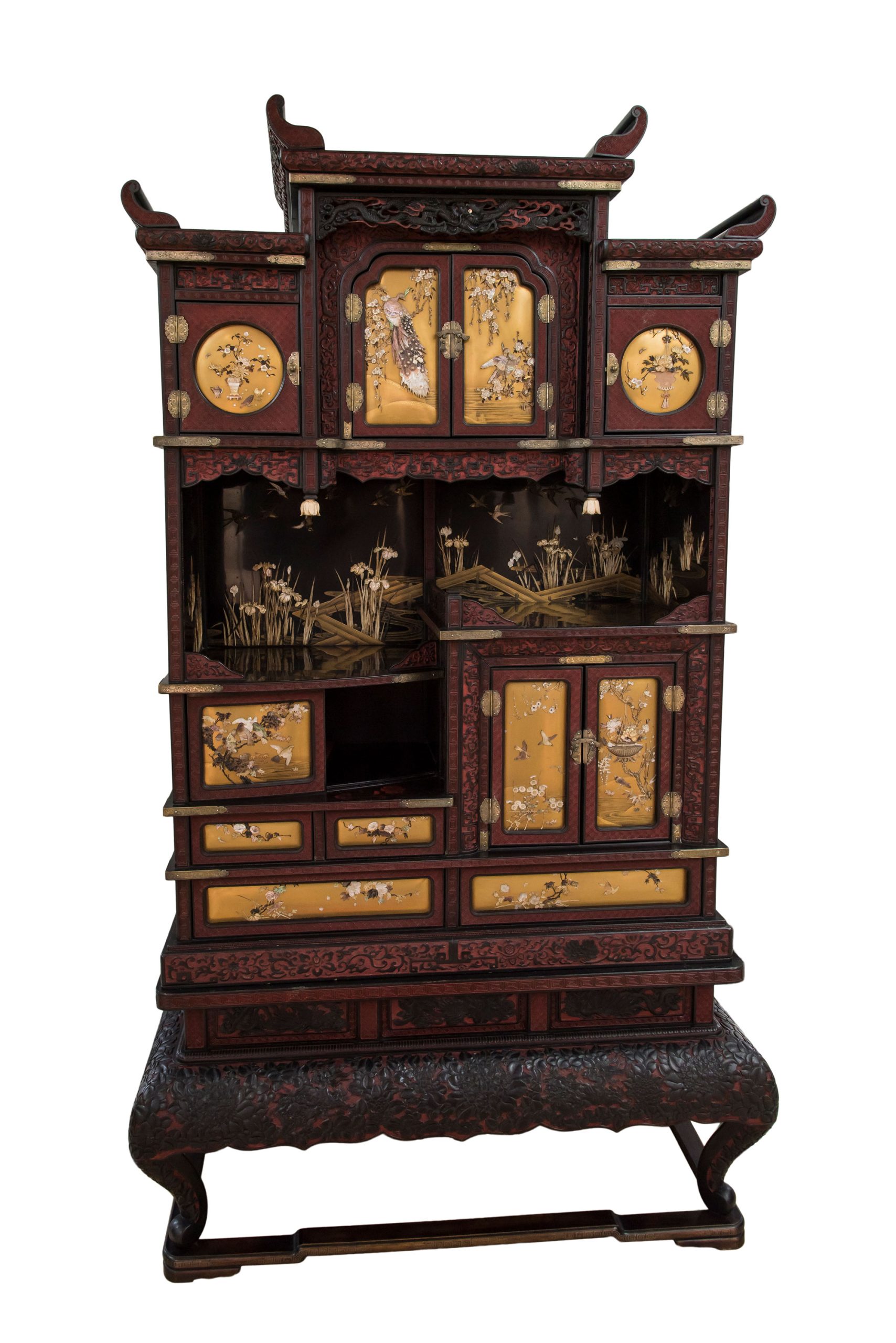
Milka Trnina’s study in Jurišićeva street in Zagreb. The right side featured a cabinet crafted in the shibayama style, which peaked in popularity in the late 19th century when such items were widely produced for export.
Magazine Dom i svijet (Home and the World), No. 6, 1923.
EMZ-EX1554


Buddha Figures
China, 18th/19th c.
EMZ-EX1560, 1561, 1562
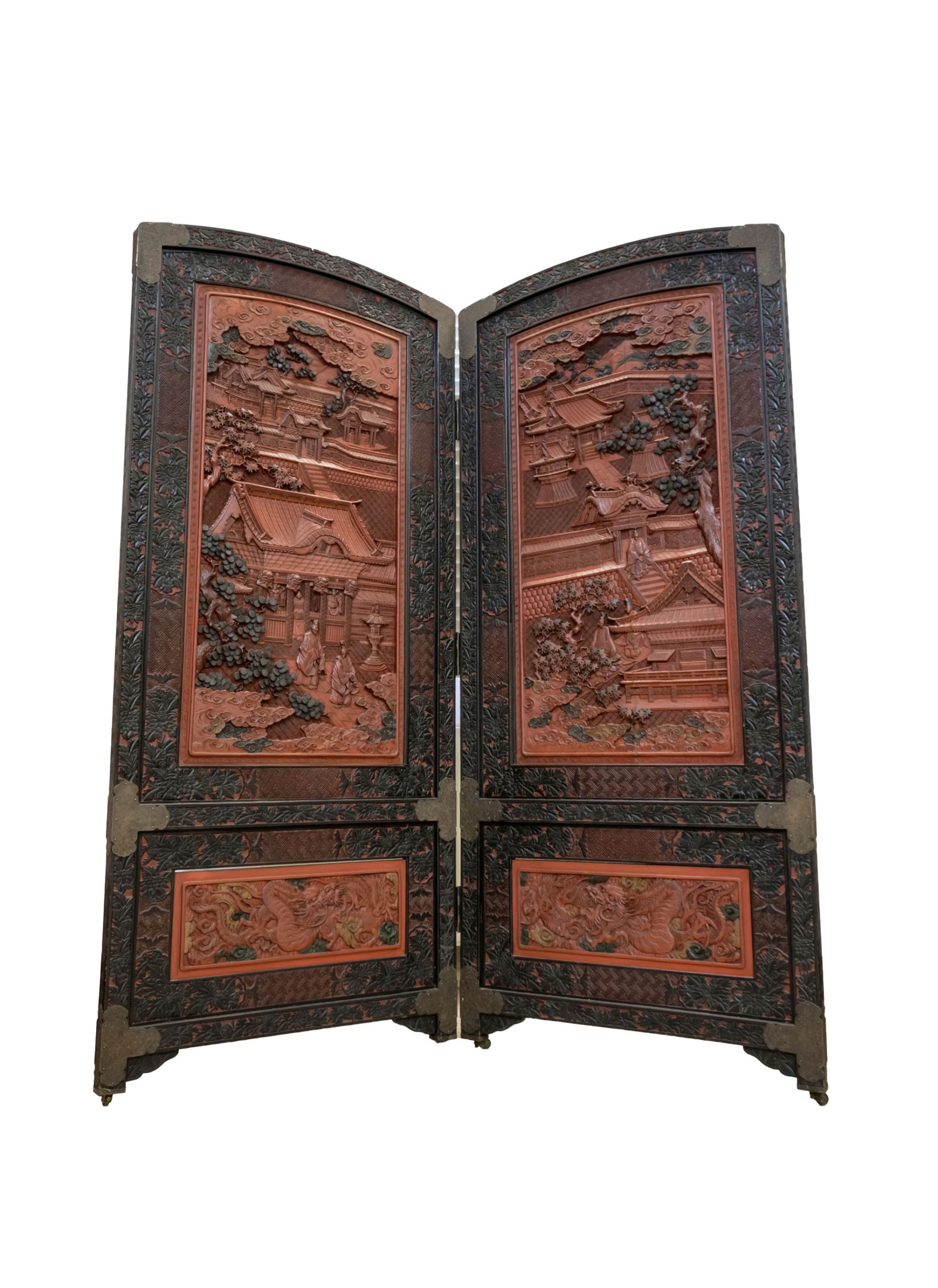
Folding Screen
Japan, 19th c.
EMZ-EX1555


Suzuri-bako writing box, and kōbako incense box
Japan, 18th/19th c.
EMZ-EX1557, EMZ-EX1570
A characteristic of Japanese lacquered objects is decoration using the maki-e technique, which involves the use of gold and/or silver powder to create various motifs.

Brush Holder
China, 19th c.
EX-1564

Kanbun
Japan, 19th c.
EMZ-EX1683E
Silk fragments inscribed in kanbun, a classical Chinese script used in Japan from the Nara period to the mid-20th century.
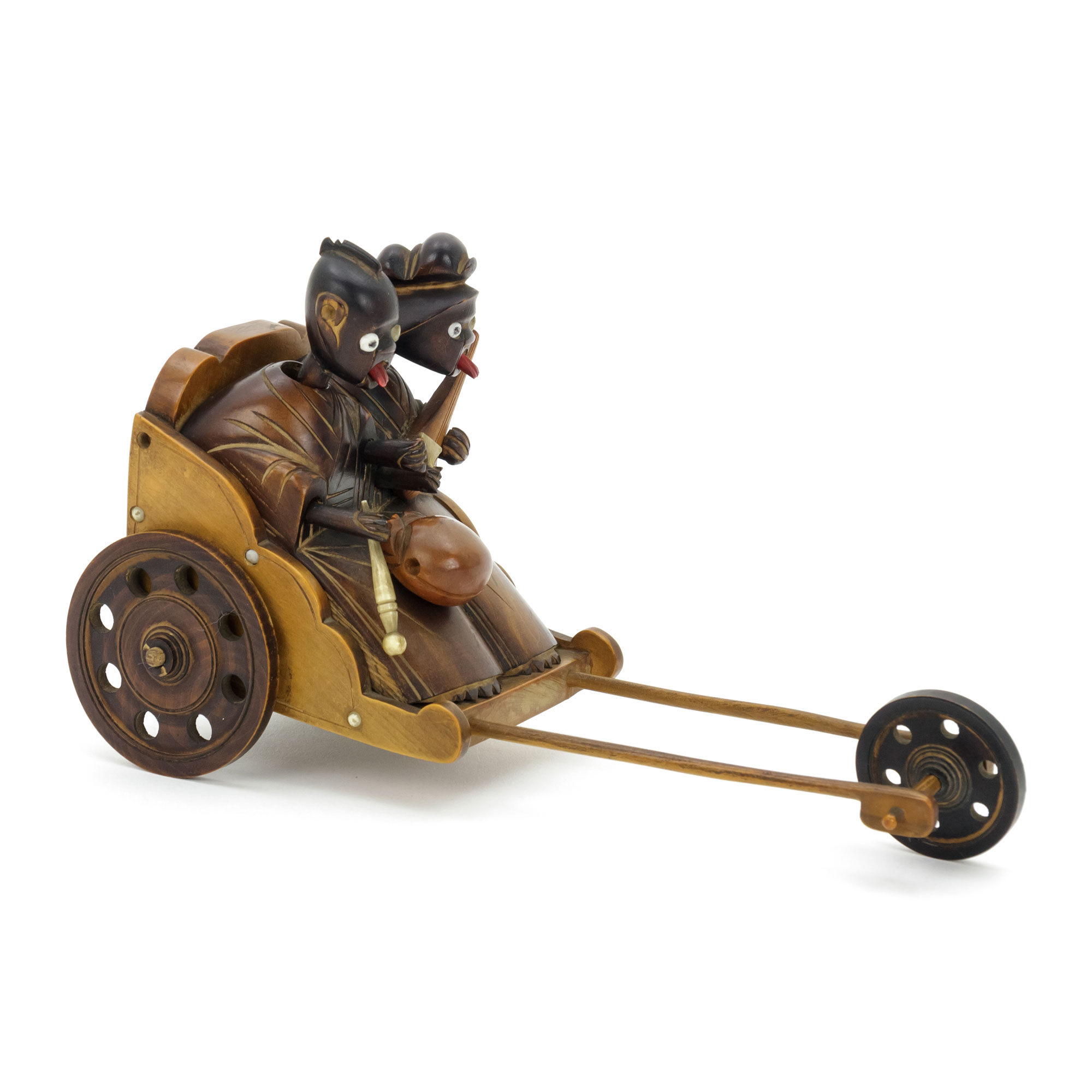
Toy
China, 19th c.
EMZ-EX1580



Japanese objects from other donors
Kakemono, a silk scroll. Author: Matsuda Fusaaki. Japan, 19th c.
EMZ-EX868
Kakemono is a hanging scroll displayed as part of a room’s interior decoration. Traditionally, it is exhibited in the tokonoma, a niche in a room dedicated to showcasing valuable objects.
Painting on silk. Bought at a fair in Zagreb in 1937.
EMZ-EX1655
Netsuke. Japan, 19th c.
EMZ-EX906, 910, 911
Traditional Japanese clothing lacked pockets, so personal items (pipes, tobacco, money, medicine, etc.) were carried in small boxes (sagemono) attached to the belt with a cord and a small figure called netsuke. Originating in the 17th century, netsuke evolved from purely functional objects into expressions of craftsmanship.
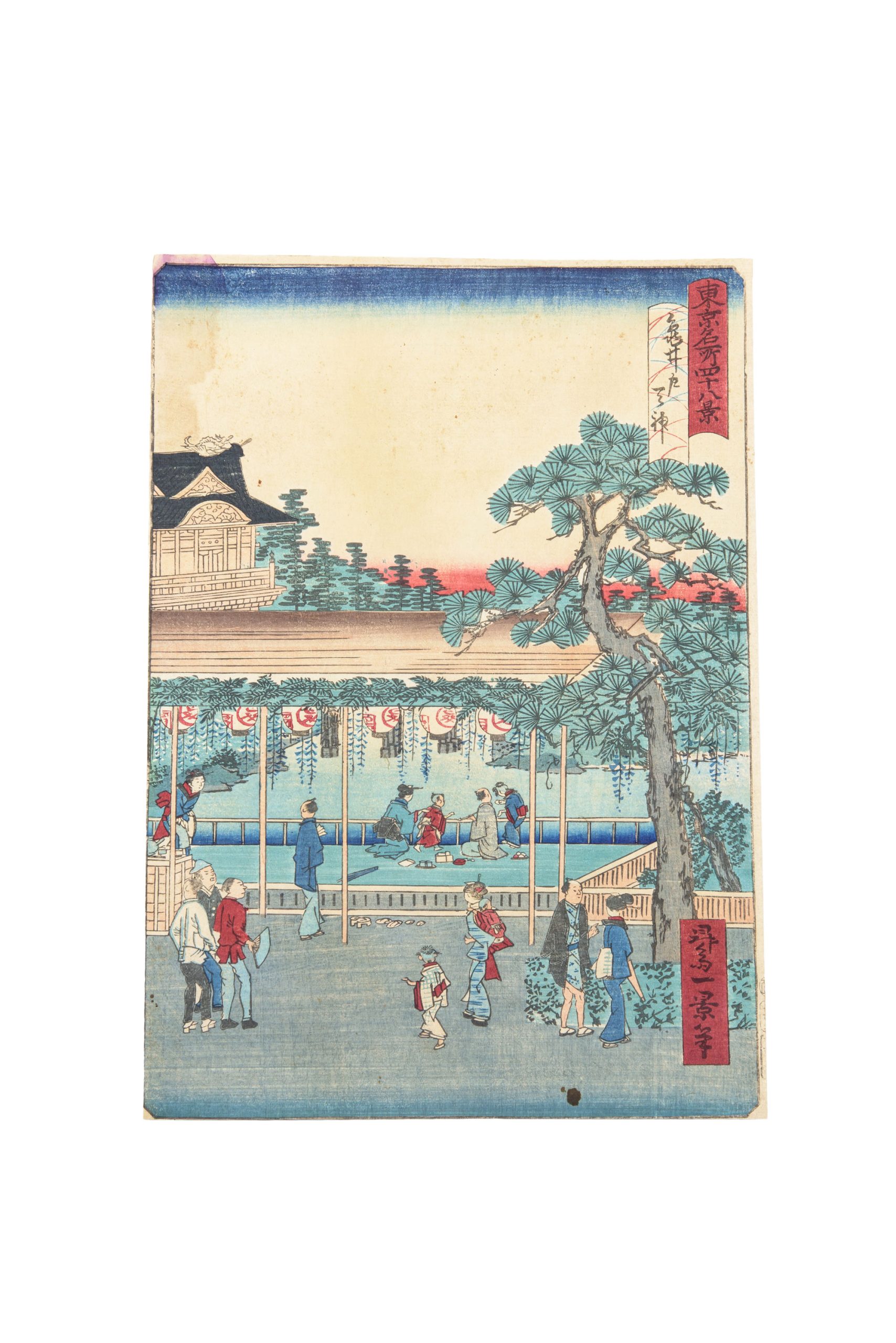
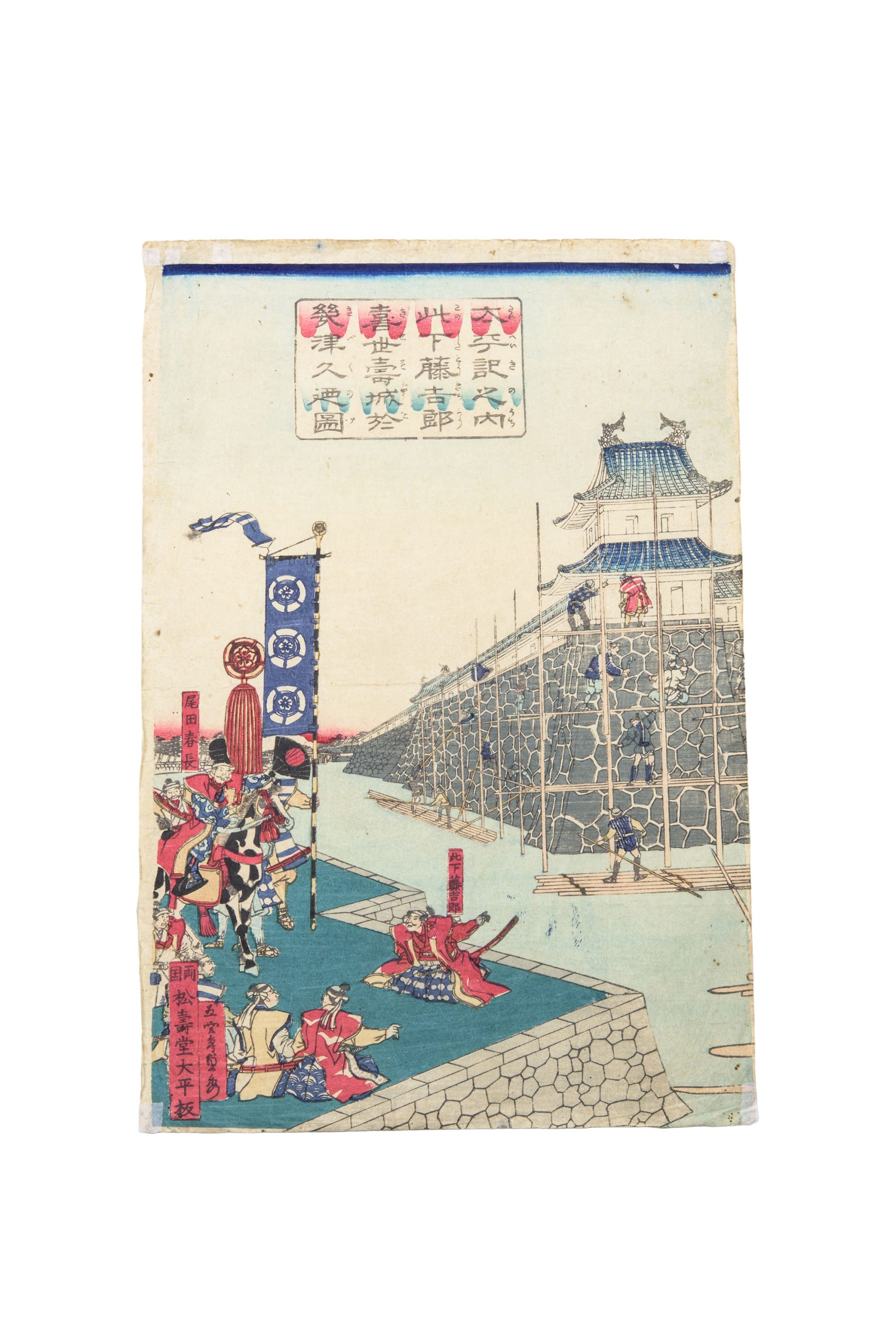
Ukiyo-e woodblock prints. Japan, 19th c.
Author: Utagawa Kunitsuna.
Author: Teishu.
Unknown author.
EMZ-EX2078, EMZ-EX2079a, EMZ-EX2082
Japanese ukiyo-e woodblock prints were developed and popularized during the Edo period (1603–1867). From the mid-18th century, multicolored prints began to be produced, and the woodblock printing technique enabled mass production, making them widely available. During the Meiji period (1868–1912), the adoption of Western technologies, such as photography, gradually diminished interest in woodblock prints in Japan, while they simultaneously gained popularity in Europe where they influenced visual art.
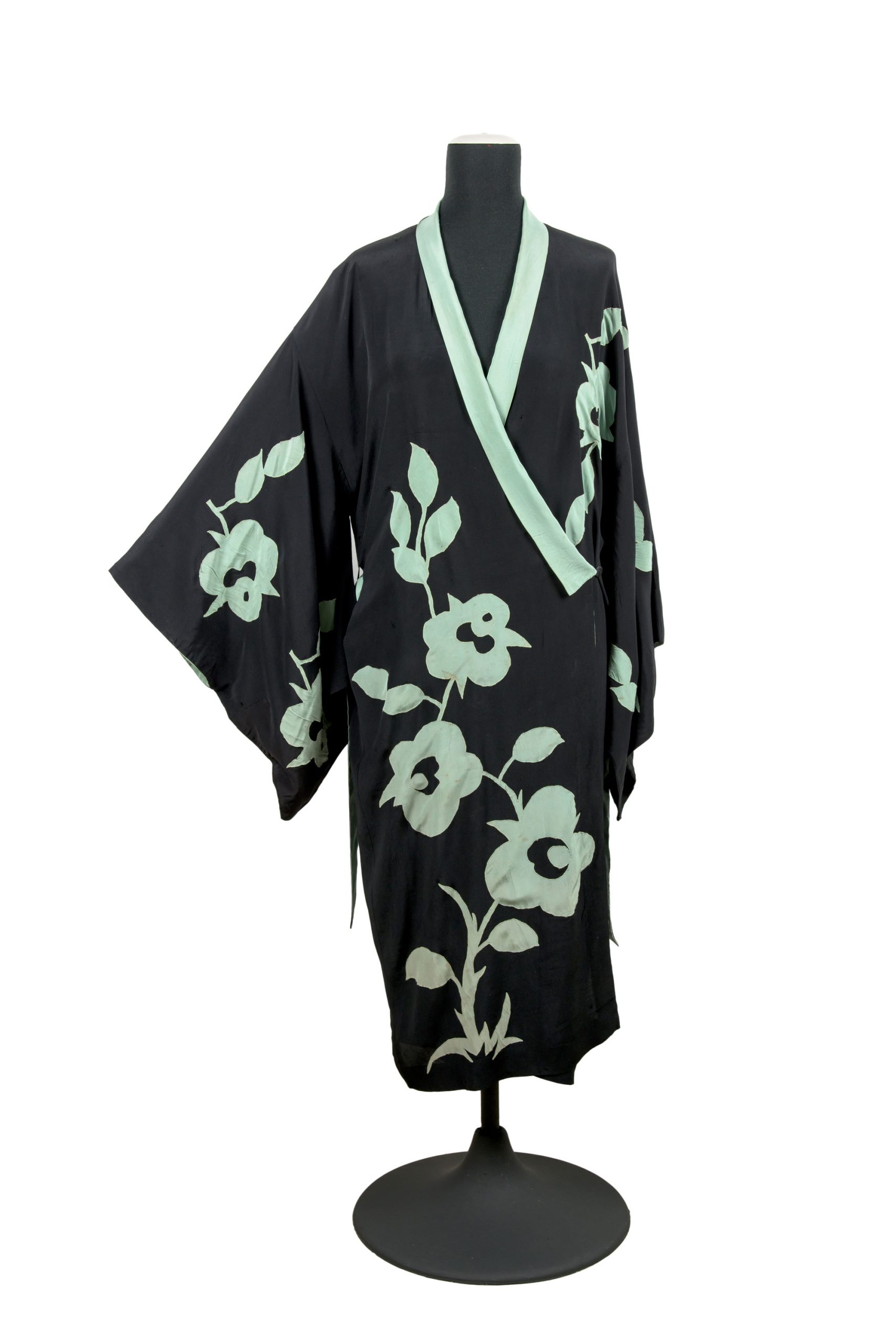
Kimono. Provenance unknown, around 1922. Museum of Arts and Crafts.
MUO 61142
In the second half of the 19th century, not even European fashion designers were immune to the Japonism trend. By the 1890s, Japanese motifs were reproduced on French textiles. At the beginning of the 20th century, the freedom of movement afforded by the kimono and its simple form had a strong influence on the work of designers such as Paul Poiret and Madeleine Vionnet. Japan-inspired clothing, emphasizing the shoulders rather than the waist, steered fashion towards liberation from corsets. With its straight cut, use of a sash, and emphasis on the shoulders, the kimono provided inspiration for new designs of women’s garments in 20th-century fashion and directed it towards a new concept of women’s dress.