

I dream of Africa. Love for Africa is lifelong.
KATARINA CARIĆ
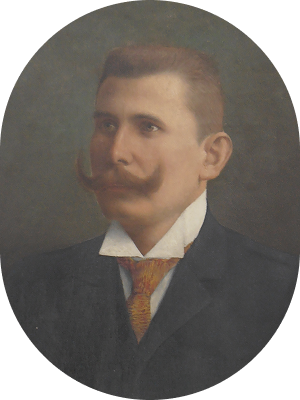
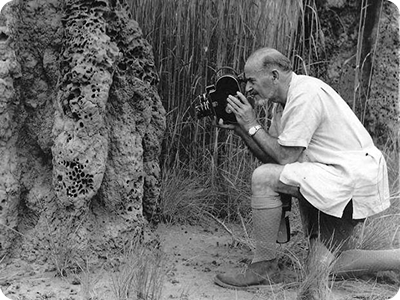
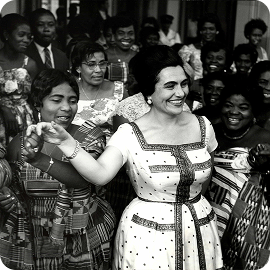
Katarina Carić (1920–2013) was born in Sarajevo where she, following her medical degree at the University of Zagreb, completed a specialization in pediatrics. In 1948, she moved to Dubrovnik, where she founded a pediatric hospital ward. Carić described herself as a follower of the school of Dr. Andrija Štampar, as she was deeply involved in public health education and vaccination campaigns.
In 1962, as part of Yugoslavia’s assistance to developing countries, she traveled to Conakry, the capital of Guinea in West Africa. There, she learned about tropical diseases, of which she had no prior knowledge, from her local colleagues. She worked on vaccinating children and learned the Susu language to communicate with her patients. In 1969, she began working for the World Health Organization, taking on the role of advisor to the Ministry of Health in Niamey, the capital of Niger.
Carić also worked in Morocco, Ivory Coast, Rwanda, and Gabon, traveling to neighboring countries in her free time. She received several honors for her work. Upon returning to Croatia in 1981, she lived in Svirče on the island of Hvar, where she passed away. In 2012, the Ethnographic Museum received a donation of her collection of 615 objects, which includes everyday and ritual items adapted for international markets and works by contemporary artists. She acquired these objects from local markets or through trade intermediaries, while some were museum replicas bought from museum shops. Her personal accounts reveal that many of the objects are connected to specific people, events, and places from her life.
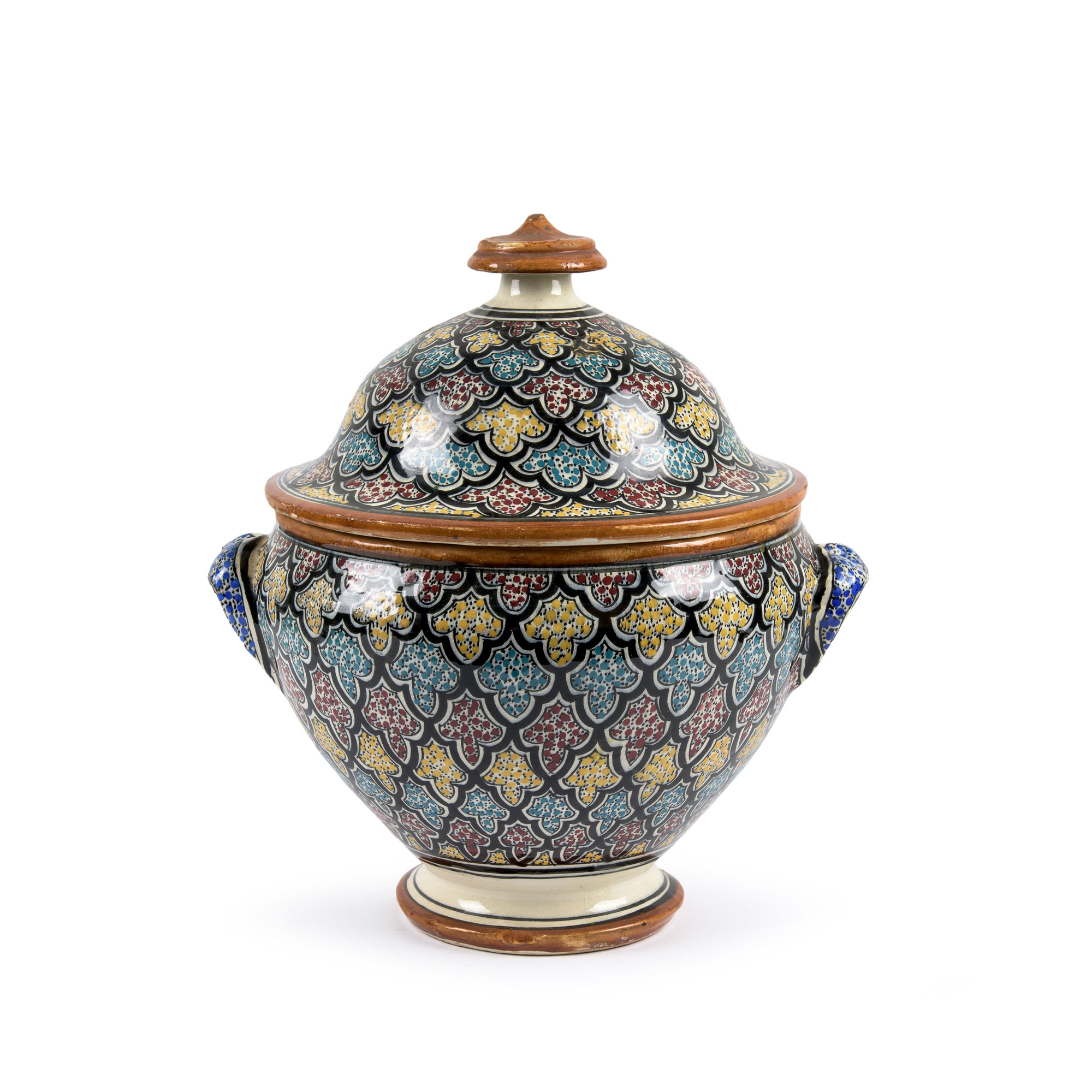

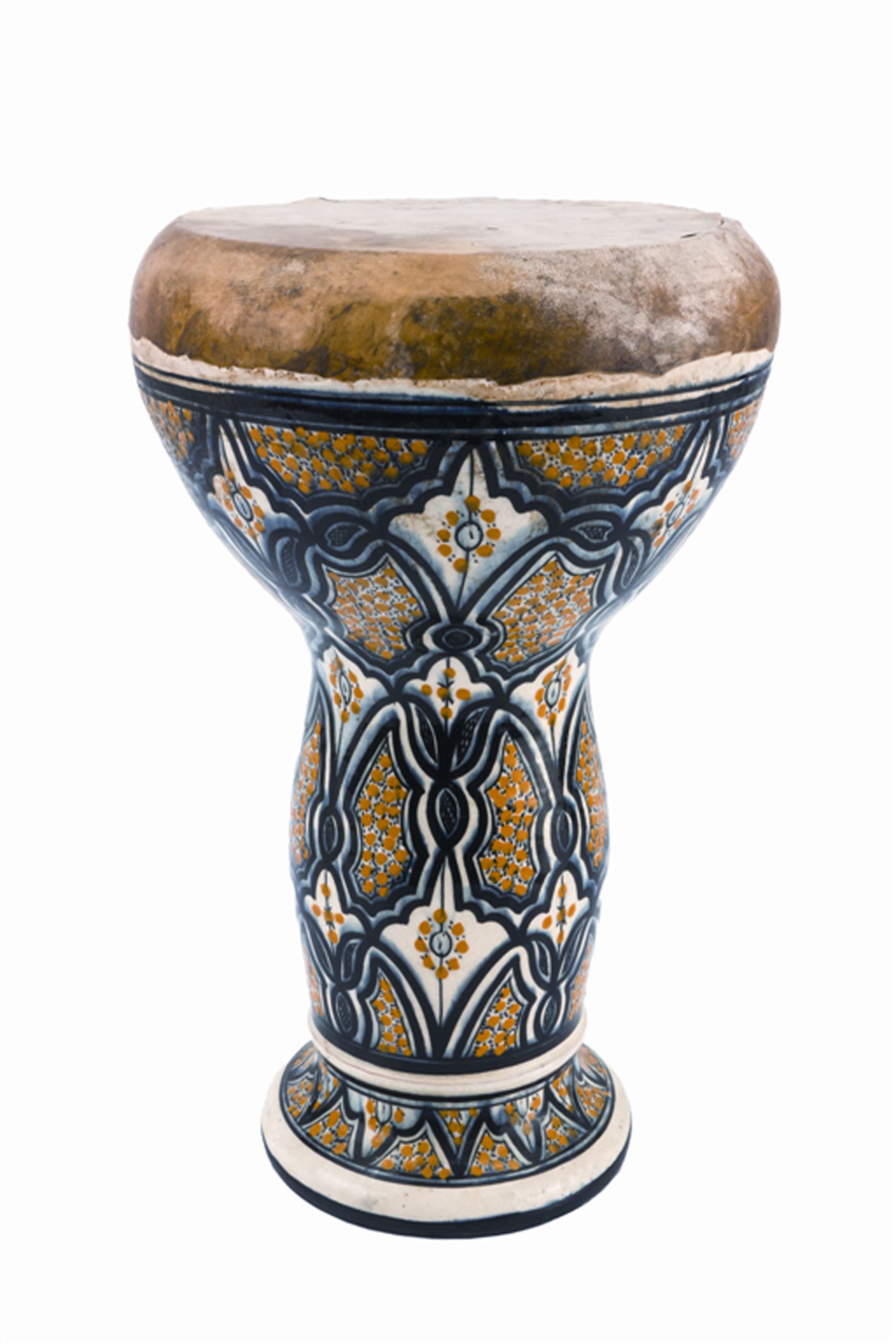
Objects from Morocco
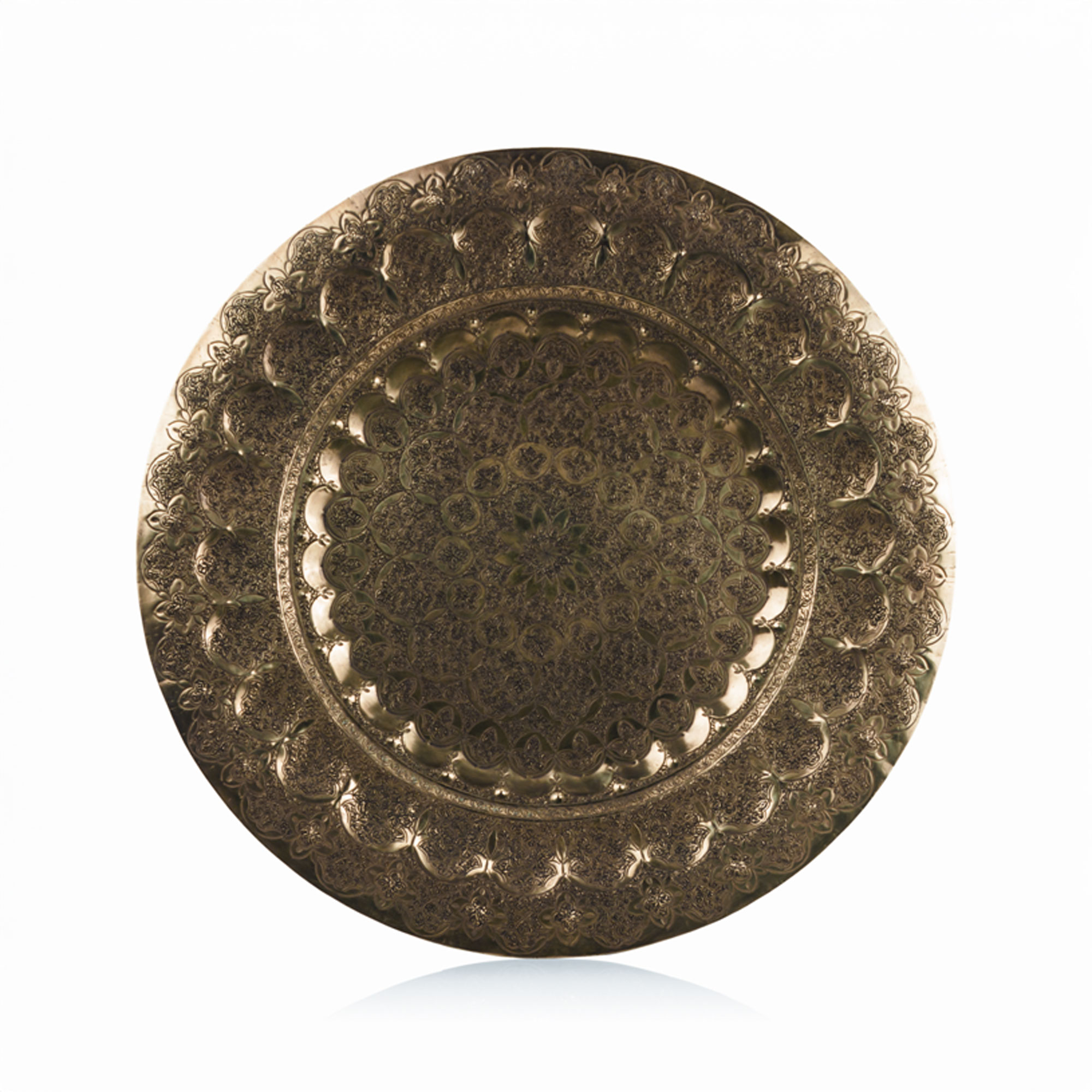
Dr. Carić worked for almost four years at the dispensary of the royal palace in Rabat, Morocco. She treated only the relatives of the king at that time, which did not fulfill her aspirations as someone striving to improve public health. Nevertheless, she noted that during this period, she had certain privileges, learned the Arabic language, traveled, and attended numerous receptions at the royal palace. The collection includes 110 items from Morocco: decorative plates from Fès, ceramic vessels from Safi, candlesticks from Rissani, about forty pieces of jewelry, and more.
Decorative plate.
Fès, Morocco, mid-20th c.
EMZ-52347
Bowls and a drum.
Safi, Morocco, mid-20th c.
EMZ-52356, EMZ-52369ab, EMZ-52179


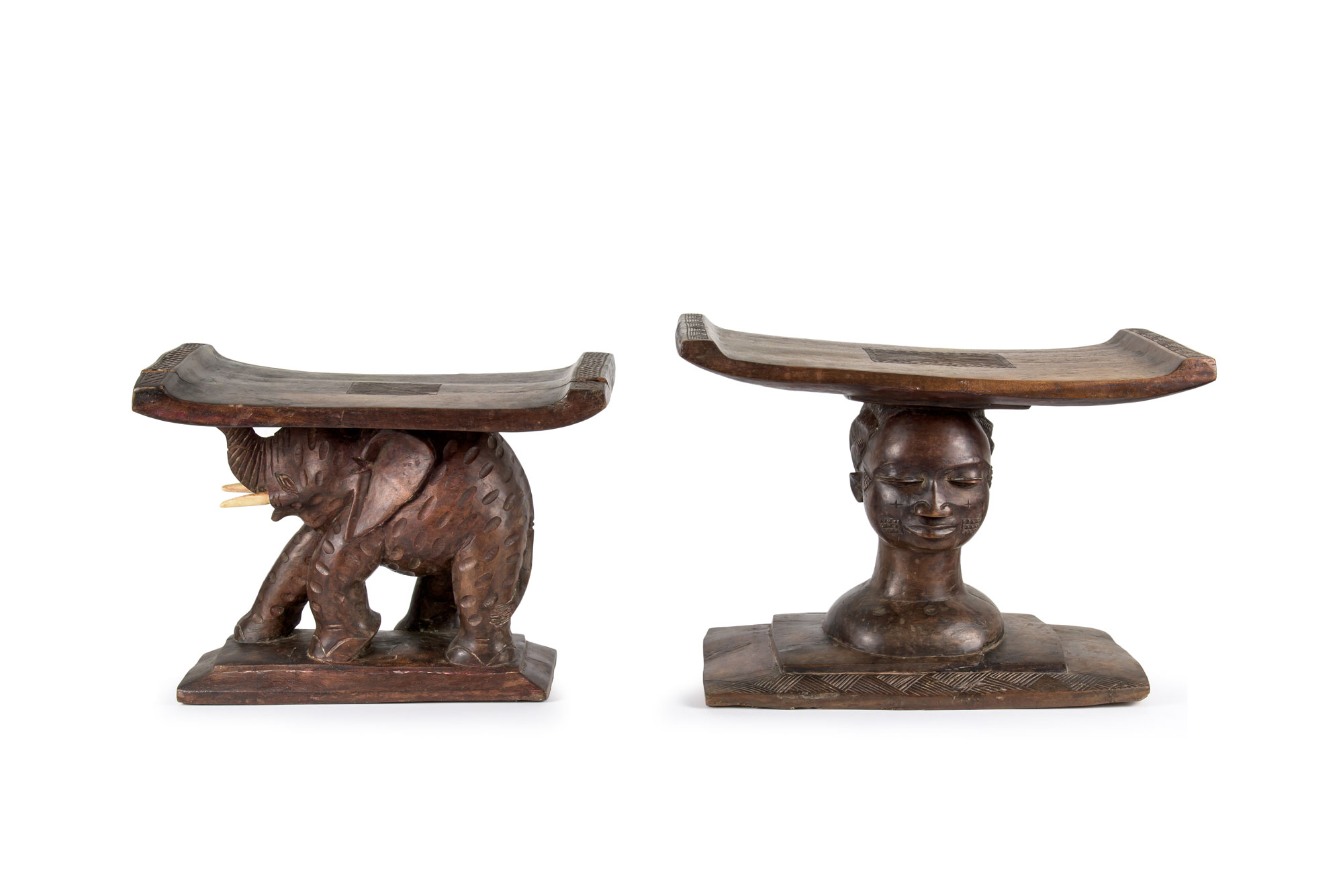
Stools asese dwa
Ivory Coast, mid-20th c.
EMZ-52589, EMZ-55929
For the Asante people in present-day Ghana, the asese dwa stools are a significant element of social and political life. Each chief and queen mother possess one or more stools as a symbol of their political status. Due to social and political changes in the country and the demands of the international market, a new type of stool began to be produced in the second half of the 20th century. Smaller in size, made from cheaper materials, and simpler in design, these new stools do not adhere to the gender and hierarchical regulations of the royal family, allowing anyone to own and use them. After gaining independence in 1957, they became a symbol of the Asante people and a national symbol of Ghana.
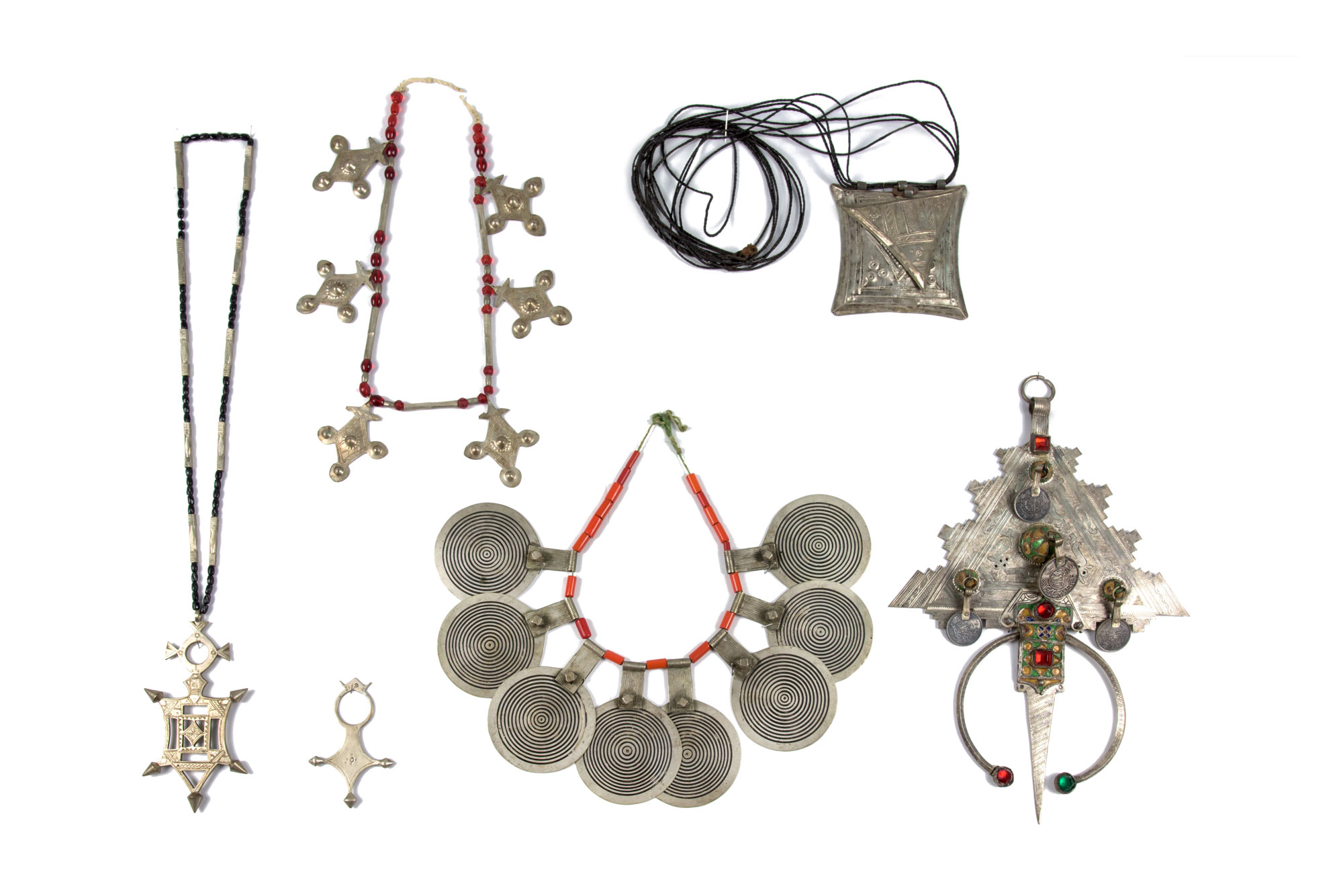
Imajeghen (Tuareg) jewelry
Necklaces, Agadez Cross pendant, amulet and buckle.
Niger and Morocco, mid-20th c.
EMZ-52501, EMZ-52500, EMZ-52506, EMZ-52421, EMZ-52539, EMZ-52403
During her stay in Niger, Dr. Carić participated in humanitarian work during the severe drought that affected several West African countries in the Sahel region between 1968 and 1972, leading to widespread famine. She traveled with various delegations, including one with Moudor Zakara, the then Minister for the Imajeghen people (Tuaregs). She collected a total of 112 Tuareg items, mostly jewelry.
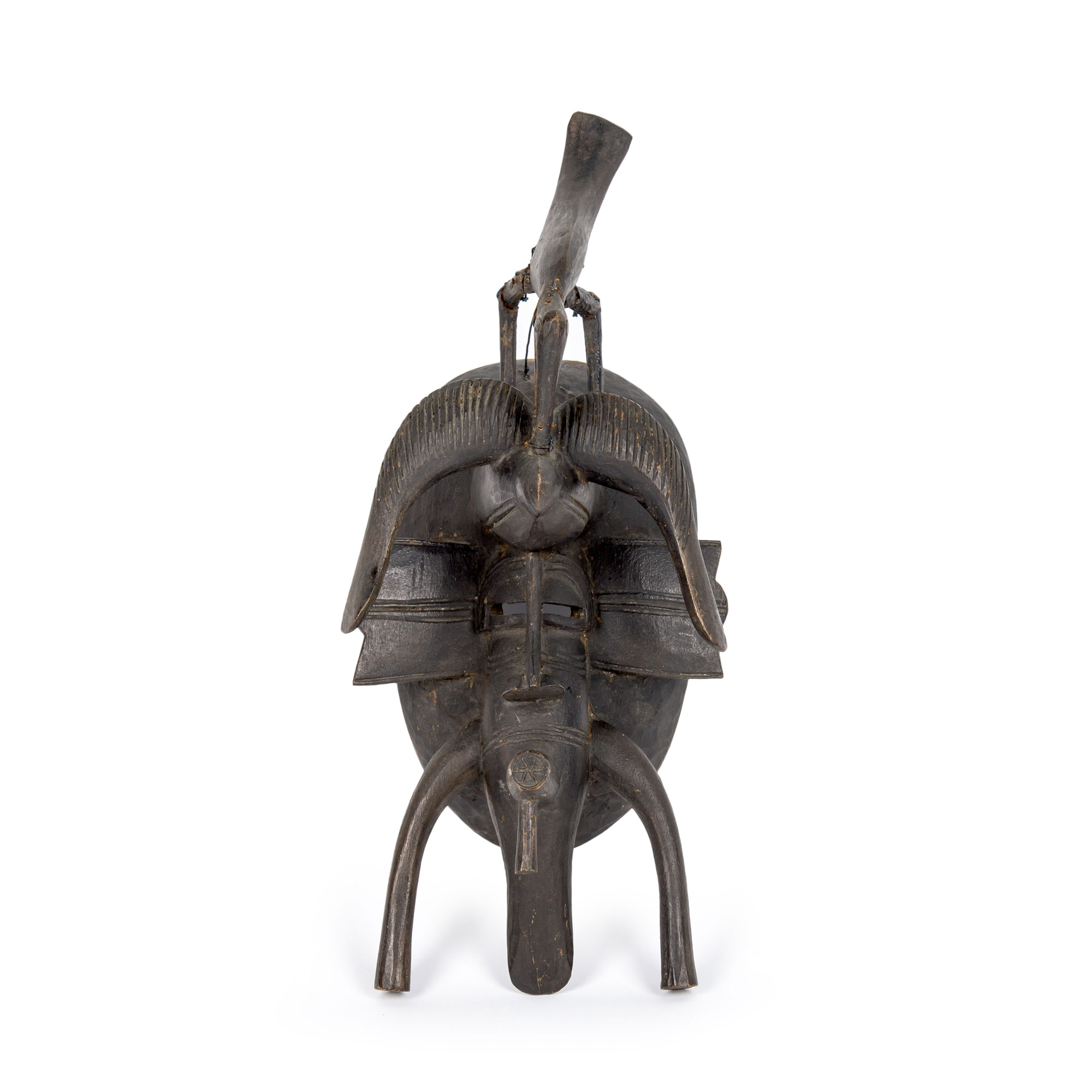
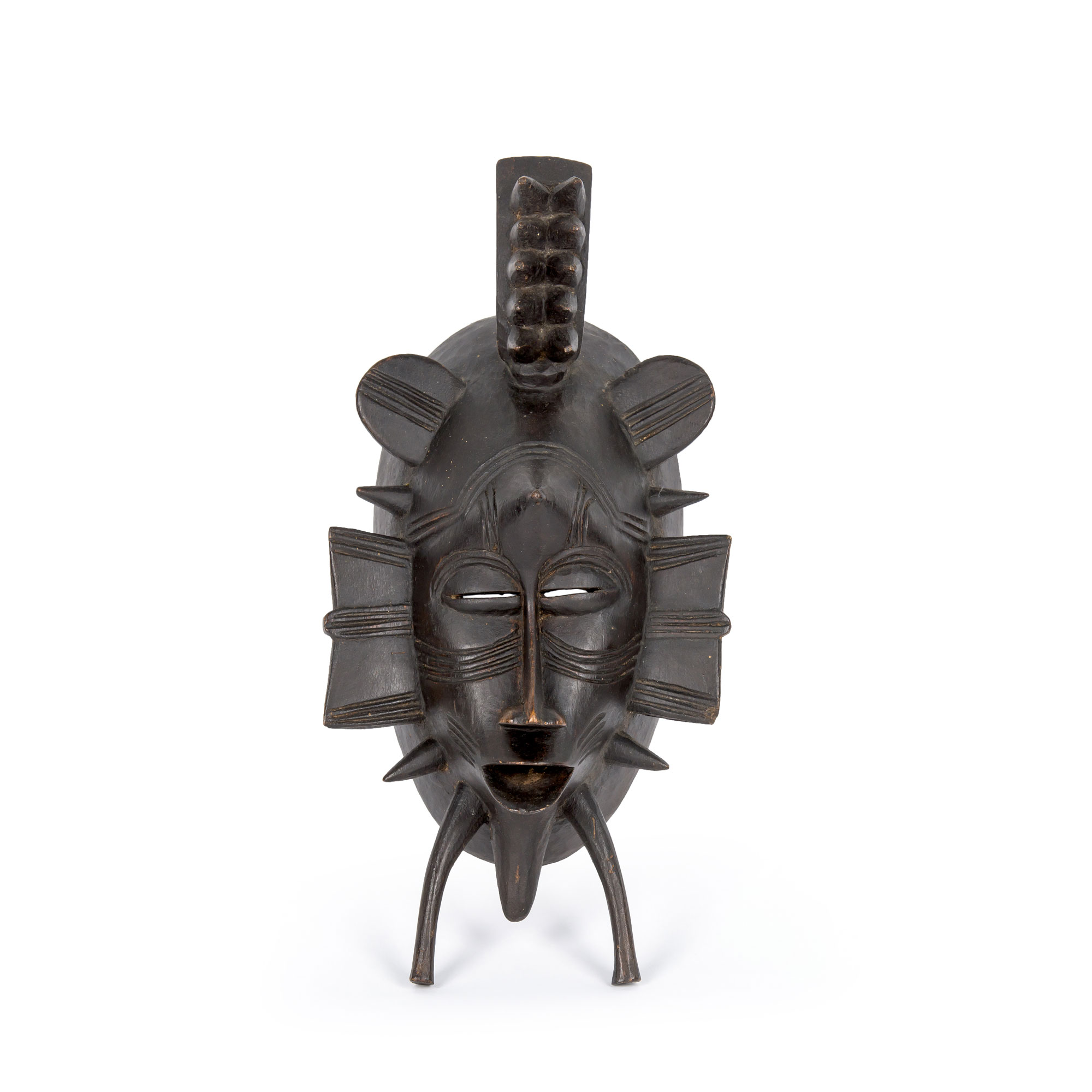
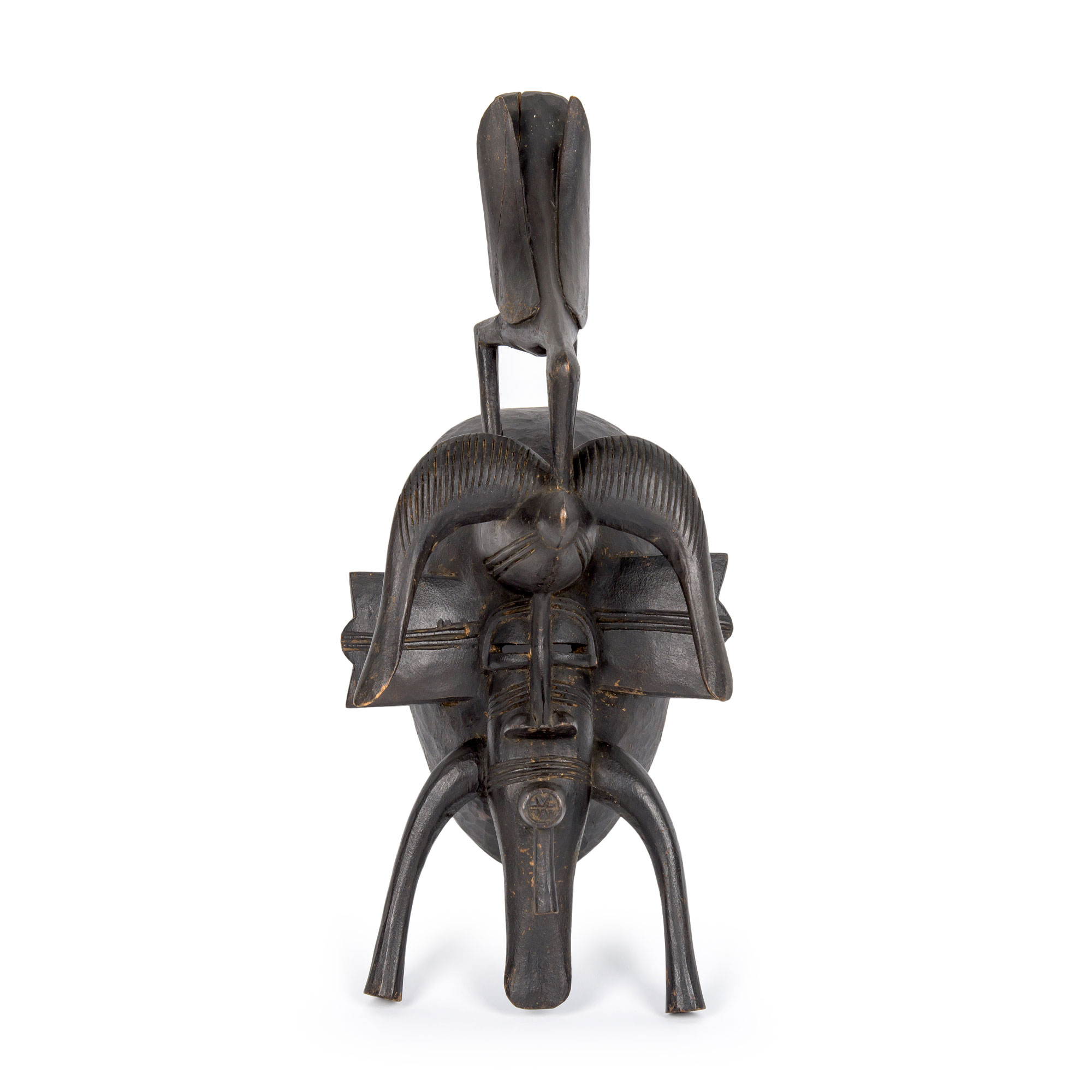
Kpelie masks
Korhogo, Ivory Coast, mid-20th c.
EMZ-52194, EMZ-52195, EMZ-52205
The kpelie mask is an example of an artistic piece that Senufo sculptors from Ivory Coast adapted to the tastes of international buyers. While masks for members of the male secret society, Poro, had to adhere to established artistic canon, the iconography for foreign markets was tailored to the requirements of commercial intermediaries. These intermediaries would bring sketches of best-selling masks, leading to the development of a genre that tourists and traders accepted as representative of the African continent.
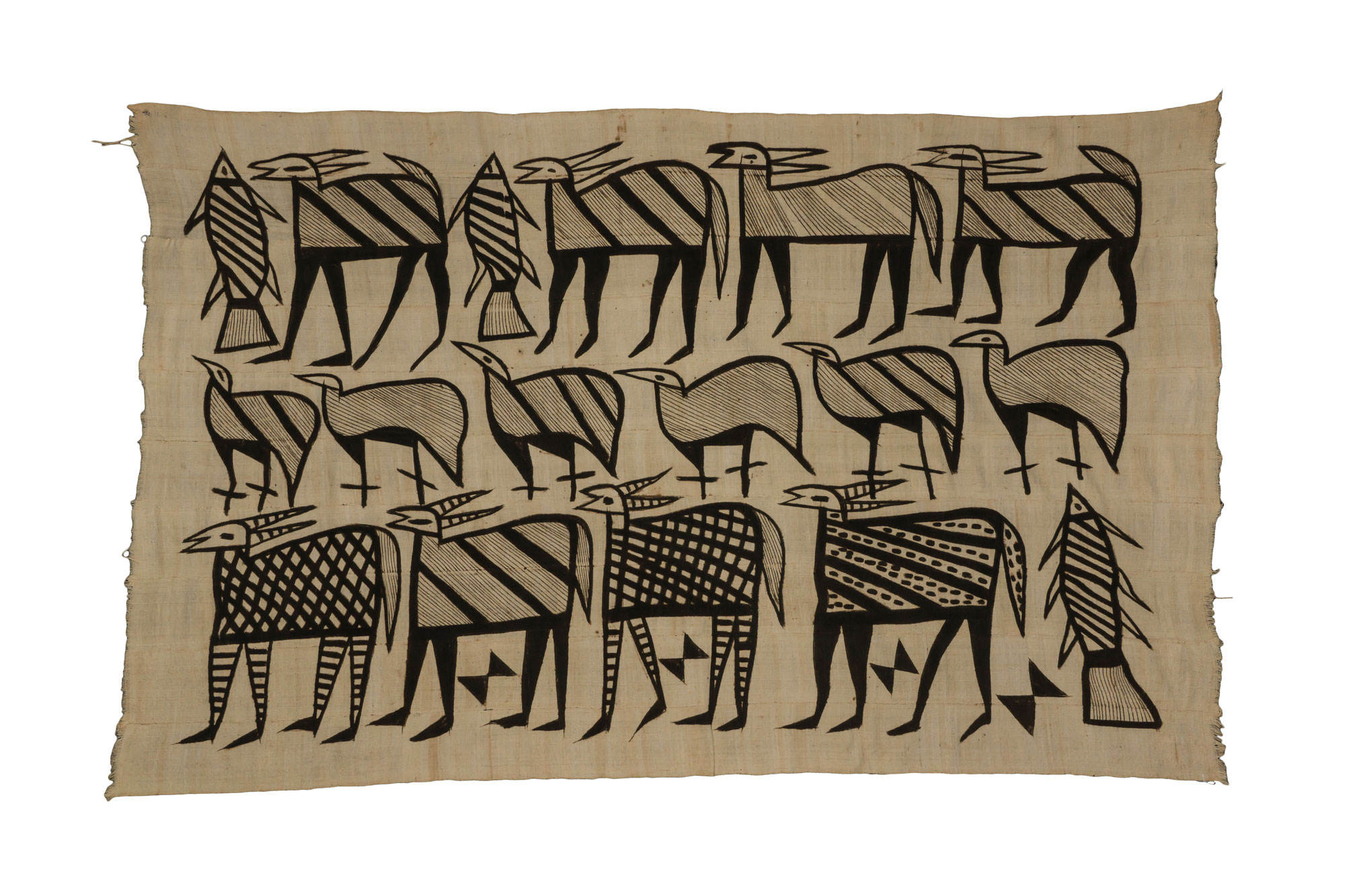
Painted canvas
Korhogo, Ivory Coast, mid-20th c.
EMZ-52600
Painted canvas is an example of a genre that arose from adapting traditional motifs for foreign markets. An artistic organization from the town of Fakaha applied the technique of dyeing and painting clothing to a rectangular canvas, which buyers could hang on the walls of their homes. They began to depict previously unused motifs such as animals, plants, masks of Poro society members, and others. This new product achieved great success among tourists, satisfying their passion for naive art that they believed reflected authentic culture. Today, these canvases can be purchased in fair-trade stores around the world.

Gold weights and kuduo containers for storing gold dust and other valuables
Ivory Coast, mid-20th c.
EMZ-52608-EMZ-52616; EMZ-52227, EMZ-52228, EMZ-52229
Weights used for gold originate from the Akan region, which spans present-day Ghana and Ivory Coast. They were used to measure gold dust, which served as local currency, and were crafted from imported European brass using the lost-wax technique. In an effort to gain better control over the area, the British abolished gold dust as currency in the late 19th century. Combined with the gradual decline in gold trade, this marked the end of weight production. However, due to their small size and portability, they gained immense popularity as souvenirs.

Agaseke baskets
Rwanda. 1970s.
EMZ-52637ab, EMZ-52638ab, EMZ-52640ab
Agaseke baskets are used for storing food or grains, as gifts for significant events, and symbolize abundance and good family relationships, and similar notions. After the genocide in Rwanda in 1994, the primarily female tradition of basket weaving took on a powerful new meaning. Many women had to care for their families in a completely devastated country, leading them to establish artisan collectives. They worked together on reconciliation and rebuilding the nation, and the agaseke basket became a symbol of peace, earning a place in the national emblem.
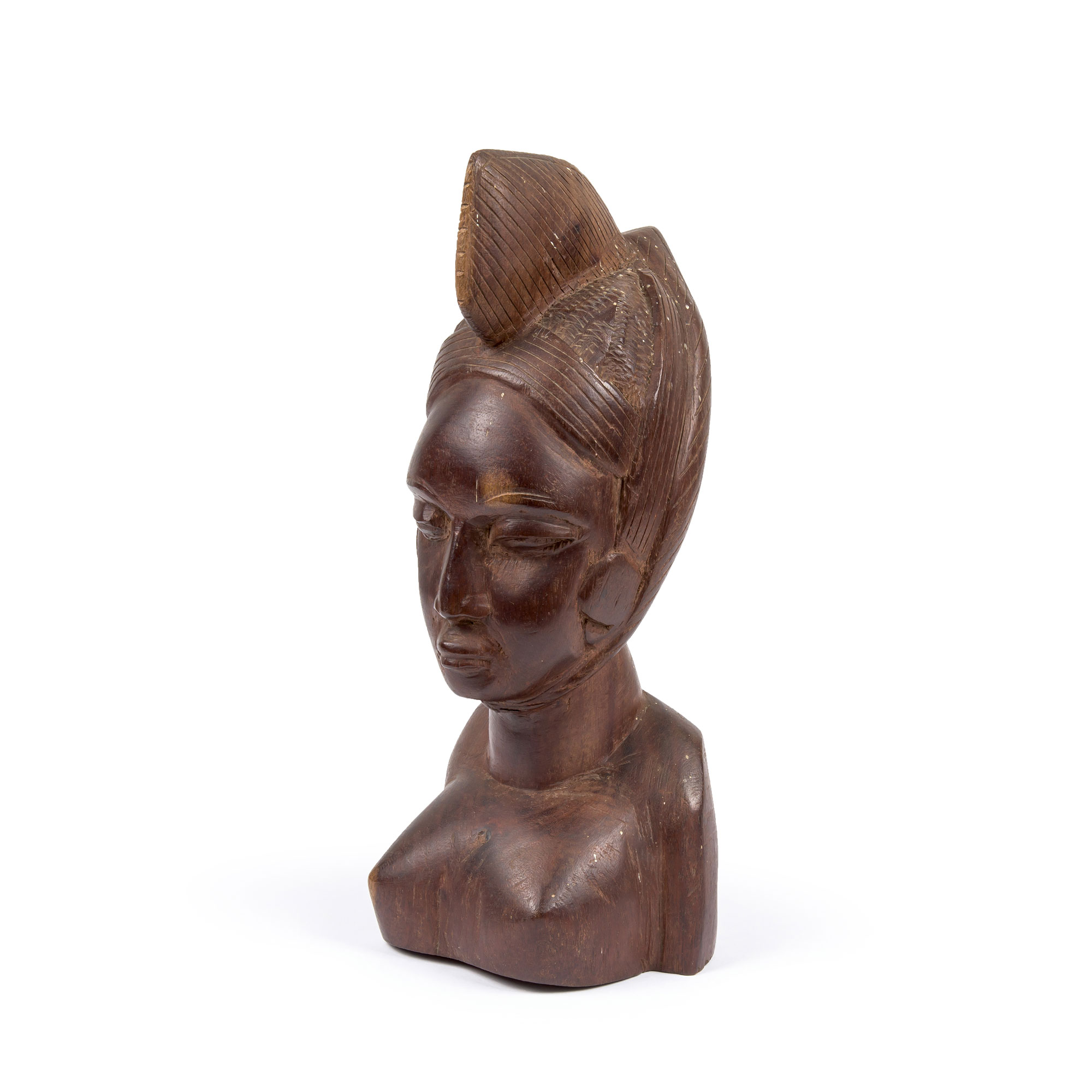

Figures
Conakry, Guinea, mid-20th c. Unknown author.
EMZ-52249, EMZ-52250
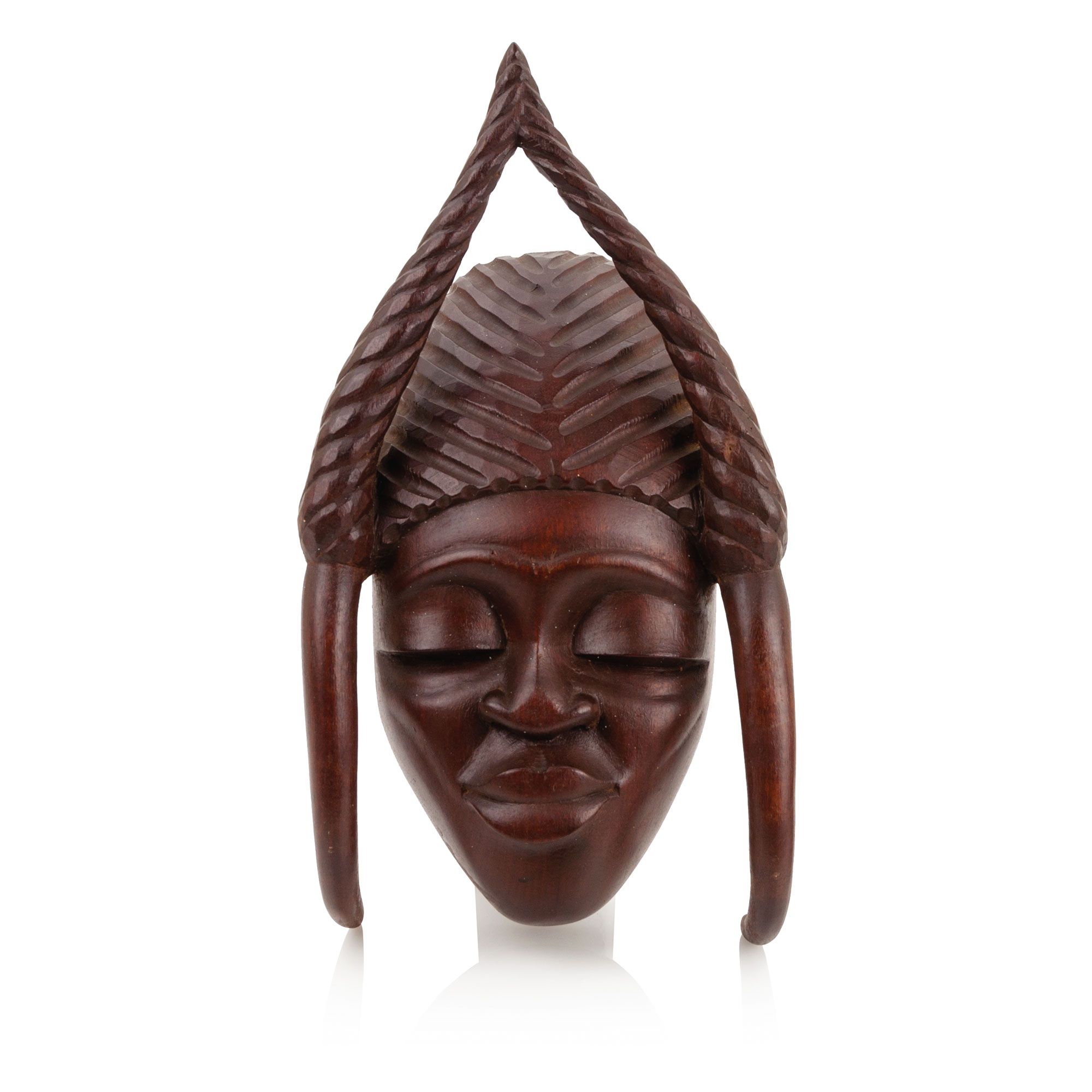
Mask
Bingerville, Ivory Coast, 1969.
EMZ-52197
Mask purchased in the applied arts workshop founded by the French painter, sculptor and writer Charles Alphonse Combes in 1937.
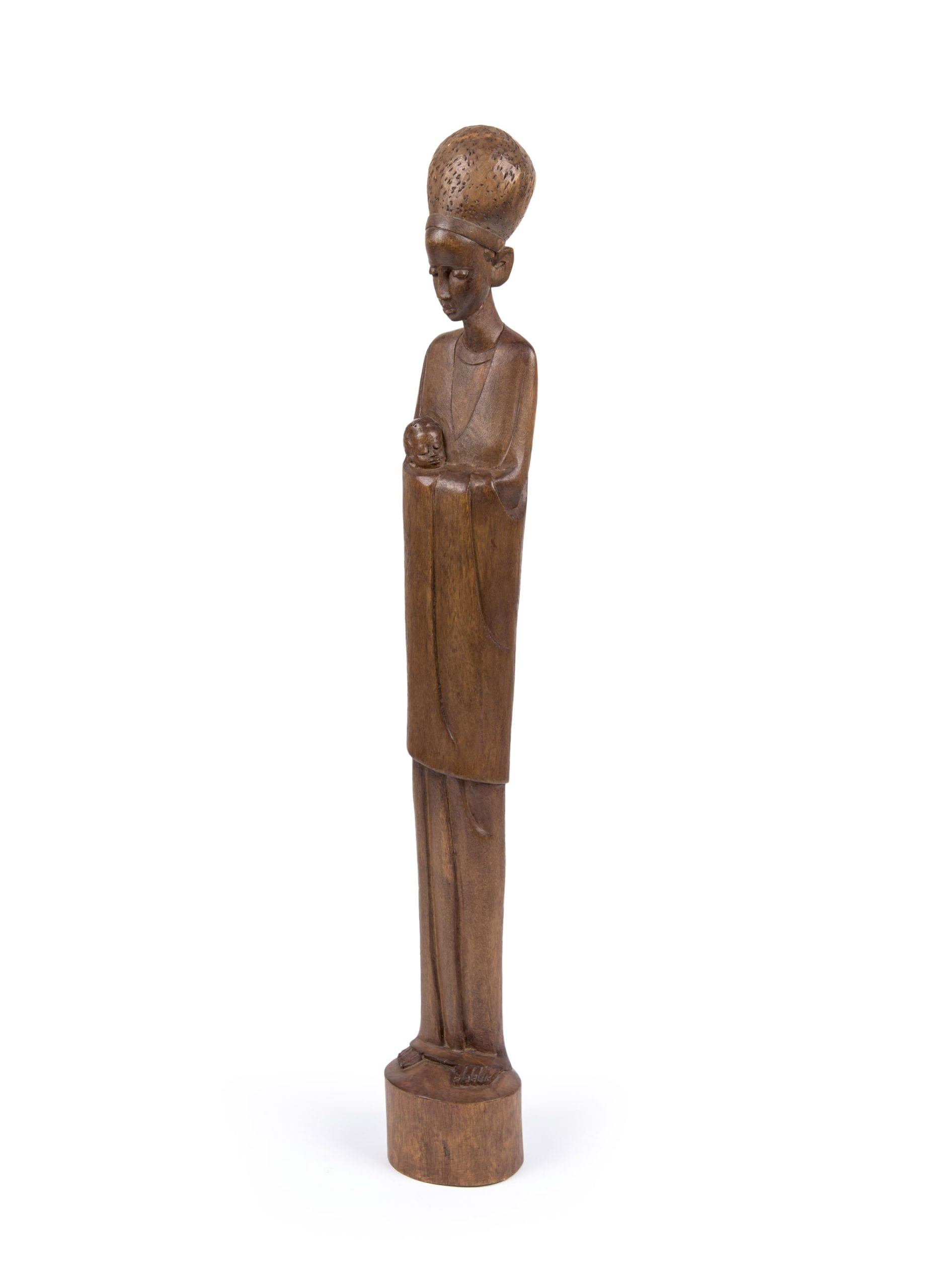
Figure
Niamey, Niger, 20th c.
EMZ-52259
The work of missionaries from the Nyando mission.
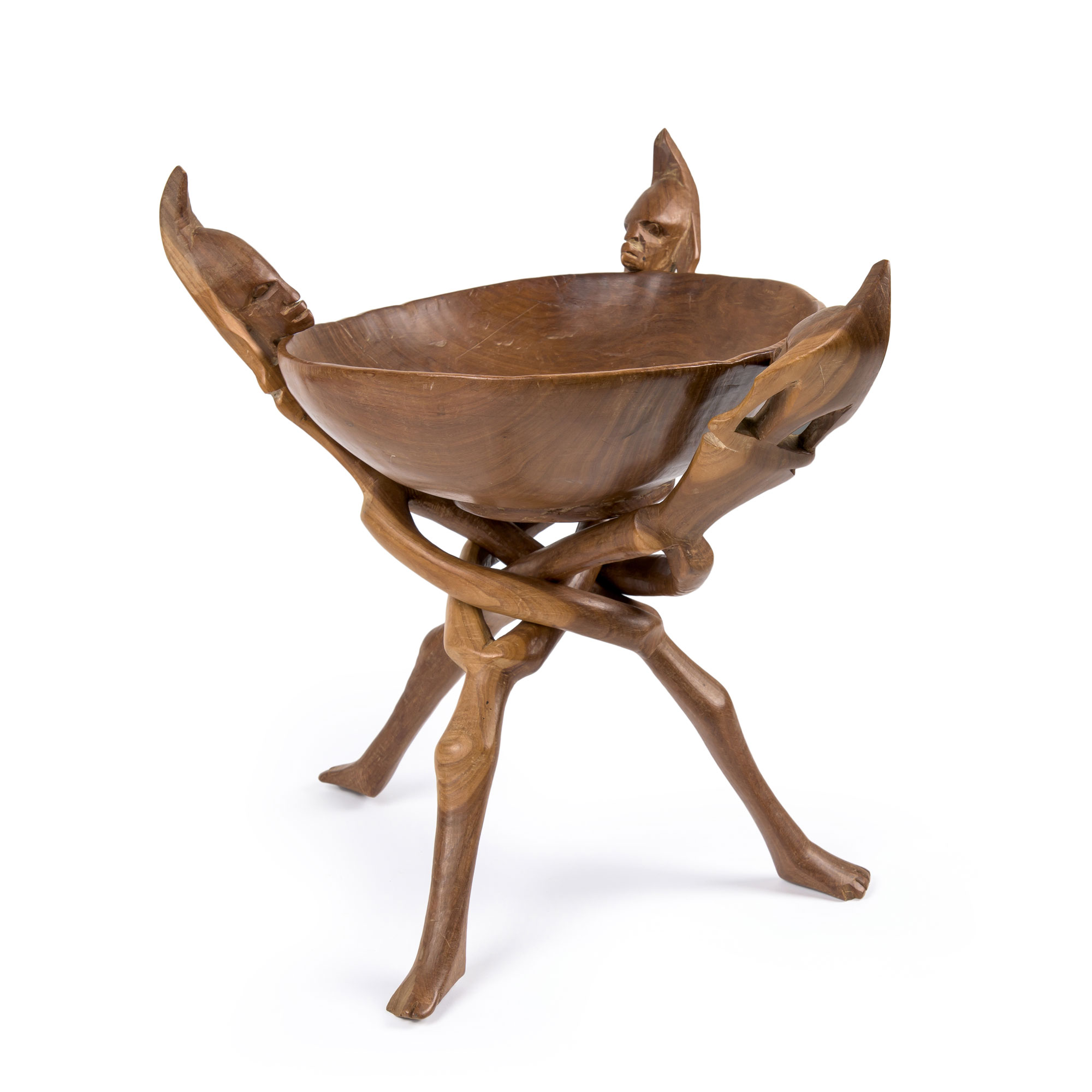
Bowl with stand
Mombasa, Kenya, 1980s.
EMZ-52671AB

Bowl
Niger, mid-20th c.
EMZ-52447AB