
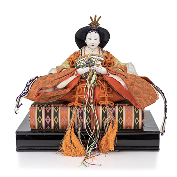

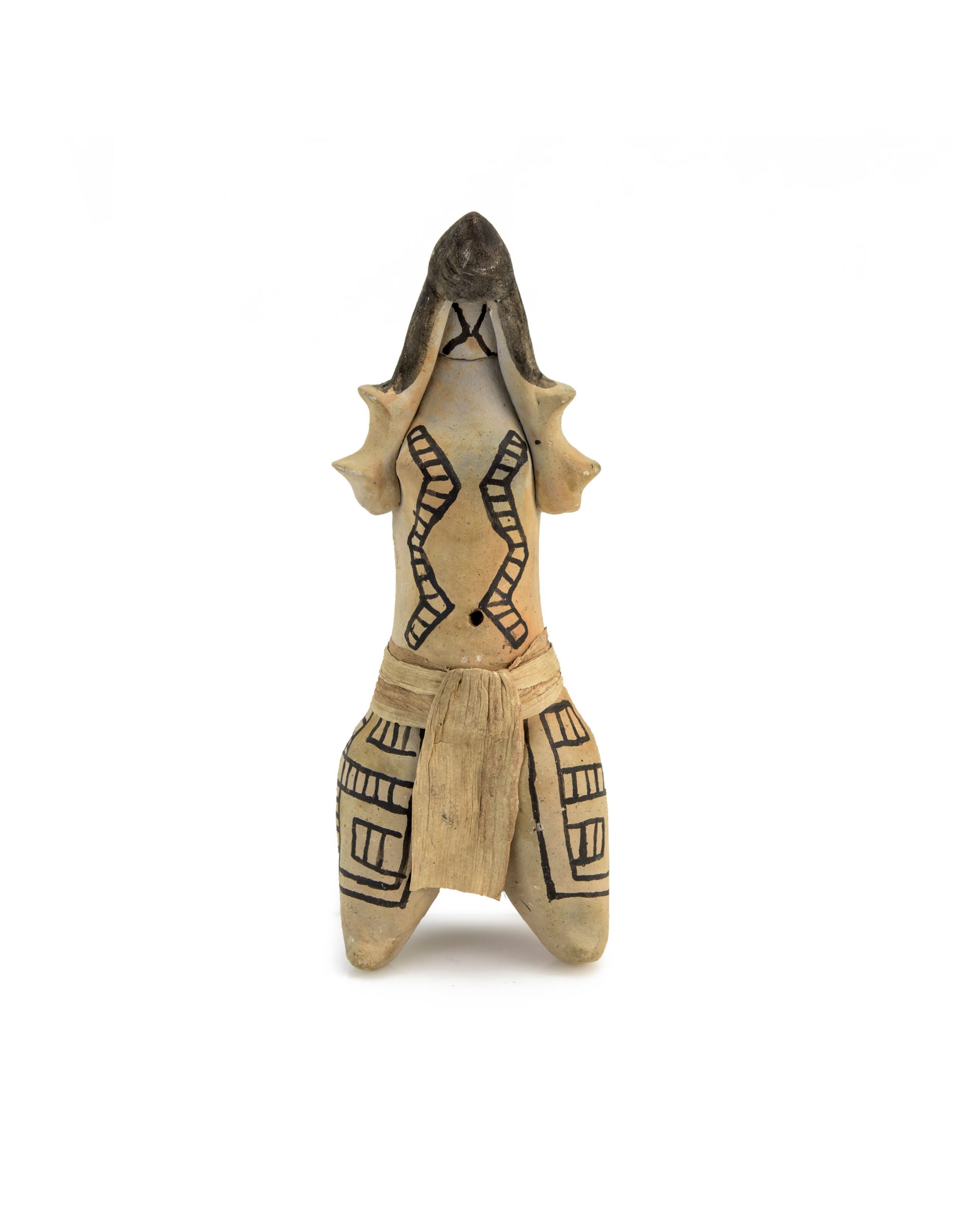
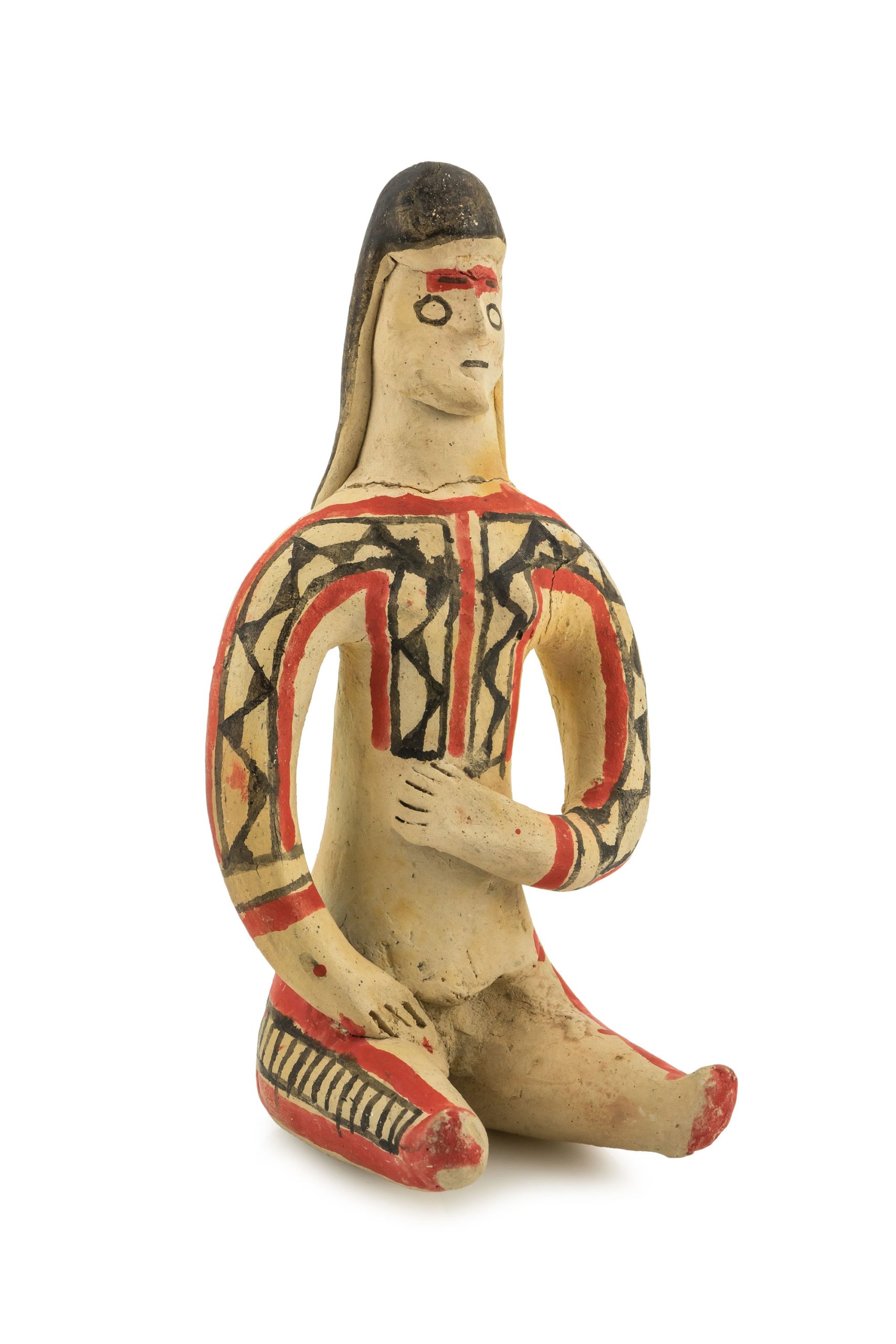
Litjoko figures
Araguaia River, Brazil, mid-20th c.
EMZ-Ex1901, EMZ-Ex1902, EMZ-Ex2047
Litjoko figures represent the human body in different life stages, from birth to old age, with corresponding body adornments. They are used as educational toys through which girls learn about adult life. These figures are crafted by women of the Karajá ethnic group, who live in central Brazil, along the Araguaia River and on the Bananal River island. With the growing interest of tourists in litjoko figures, proceeds from their sales have become an important source of income for the community.


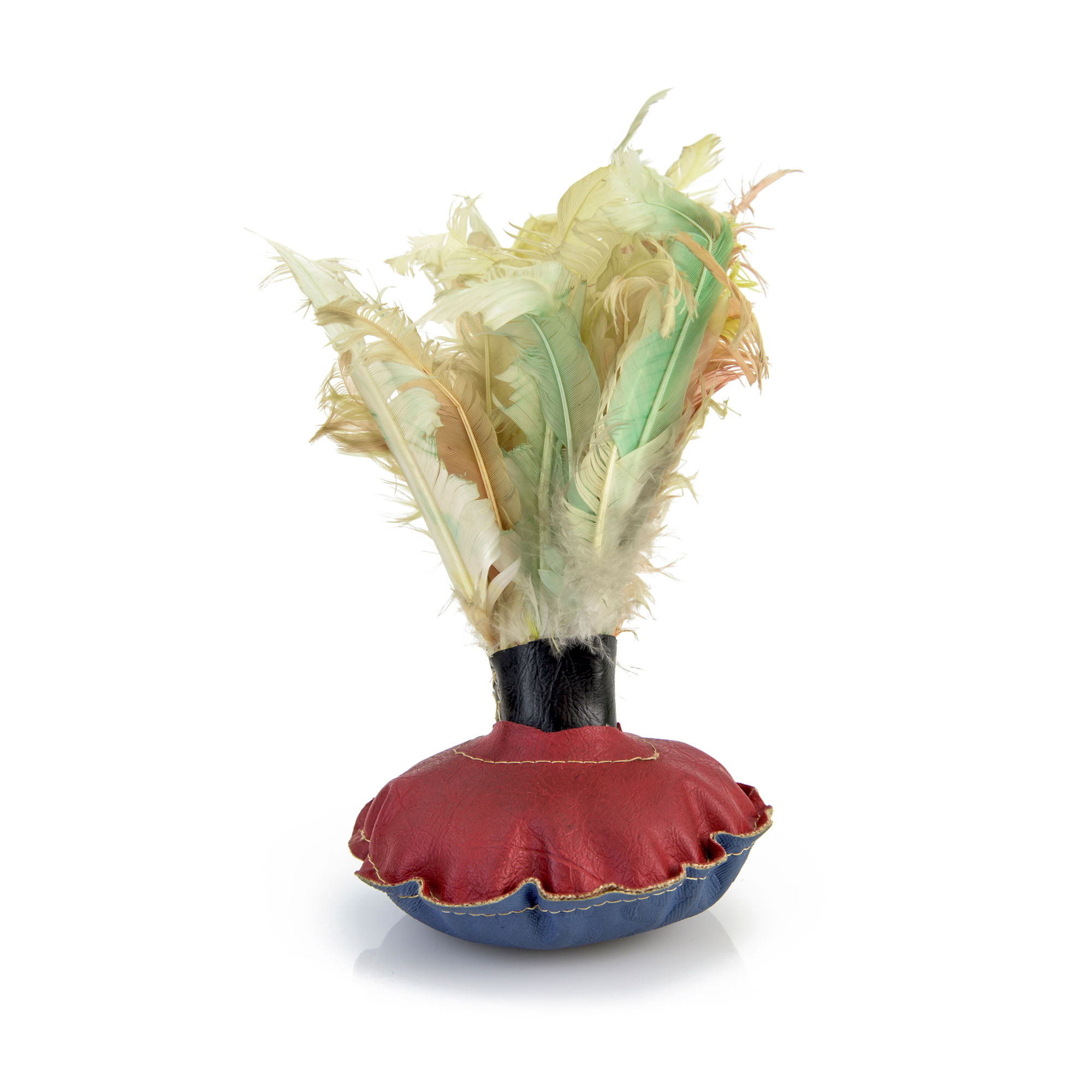
Shuttlecock peteca
Belem, Brazil, mid-20th c.EMZ-EX2067
Peteca is a popular Brazilian game where players hit a shuttlecock with their hands over a high net. Originally played during ceremonies with dance and song, it gradually evolved into a recreational activity. It became a competitive sport in the 1930s, and the first Brazilian championship was held in 1987.
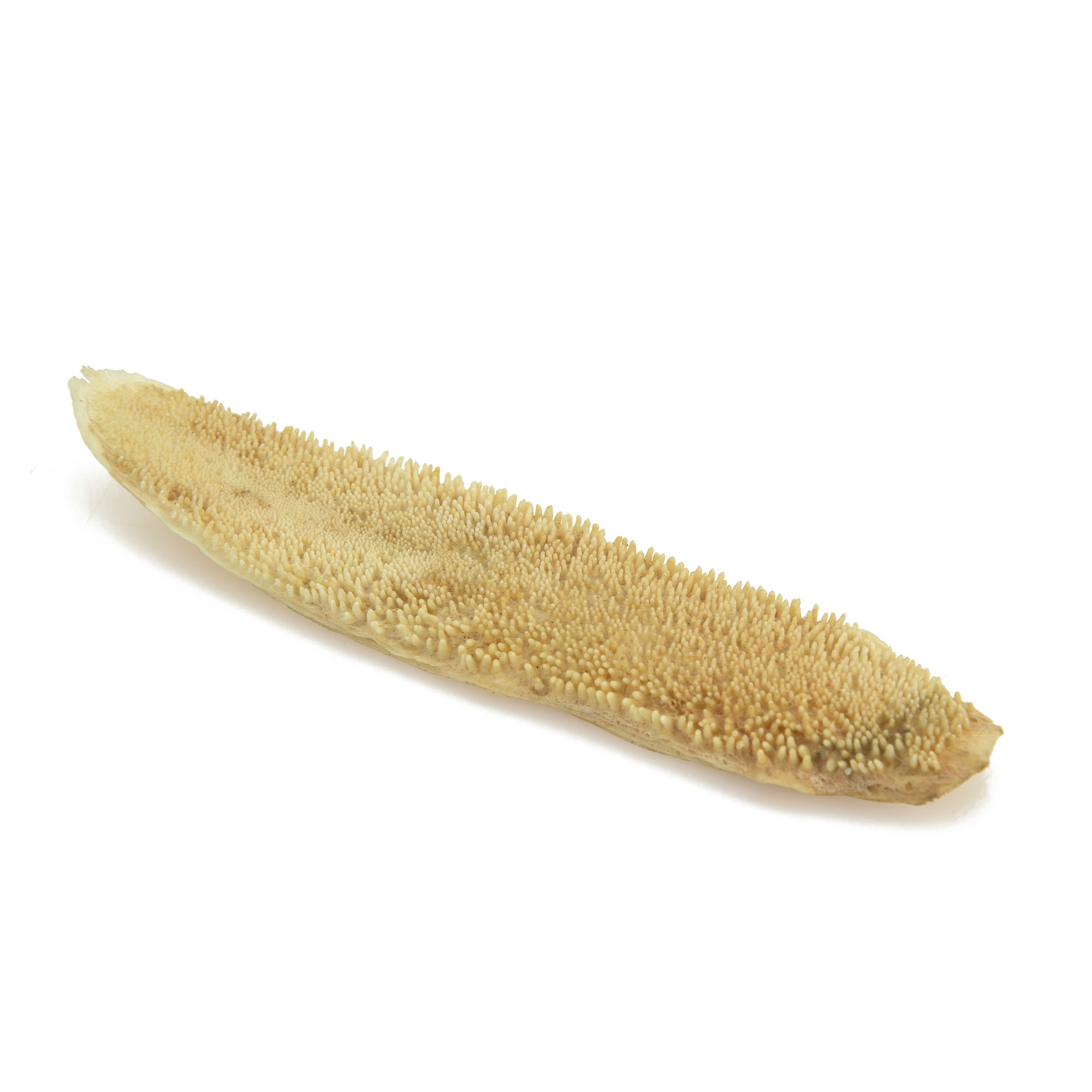
Grater
Amazon, Brazil, 20th c.
EMZ-Ex1896
Pirarucu is a large Amazonian fish prized in local cuisines. The dried tongue bone has a texture similar to coarse sandpaper and was traditionally used to grate sticks of guaraná, an Amazonian fruit, into powder for making an energy drink.

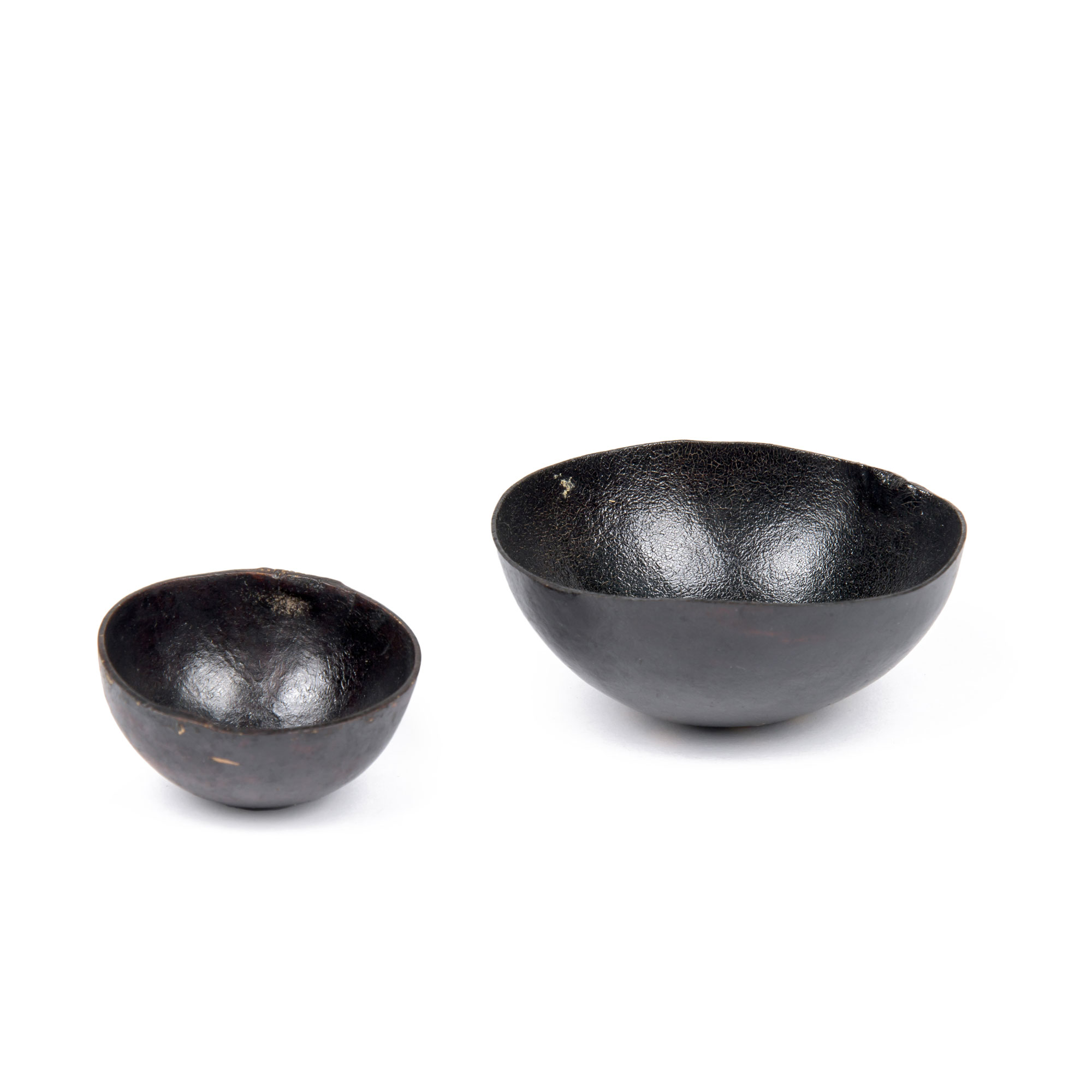
Bowls
Amazon, Brazil. 20th c.
EMZ-Ex1897, EMZ-Ex1898
Bowls made from the dried skin of the fruit of the Cuieira tree, which is abundant in the Amazon. They are used for eating, drinking, storing liquids, and packaging. The tradition of making and decorating cuia bowls, typical of the Amazonian city of Santarém, has been recognized as cultural heritage by the Brazilian state of Pará.
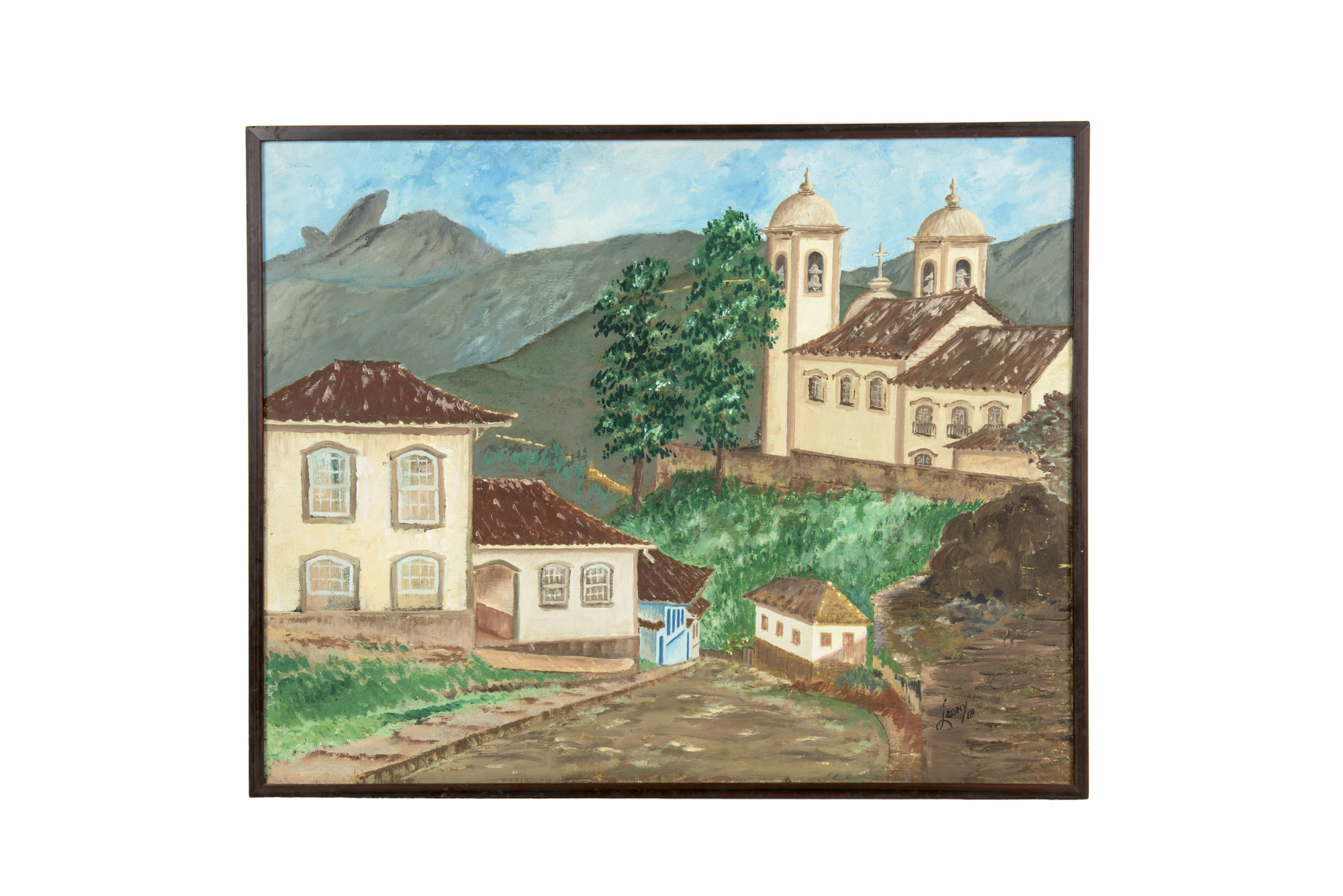
Painting
Belo Horizonte, Brazil, 1969. god.
EMZ-Ex1866
The painting depicts the church in Ouro Preto where Stevo Seljan and members of the Lessa family are buried. It was donated by Zora’s mother and Stevo’s wife, Maria Aracy Lessa, and signed by her cousin, painter Leony Lessa Martins.
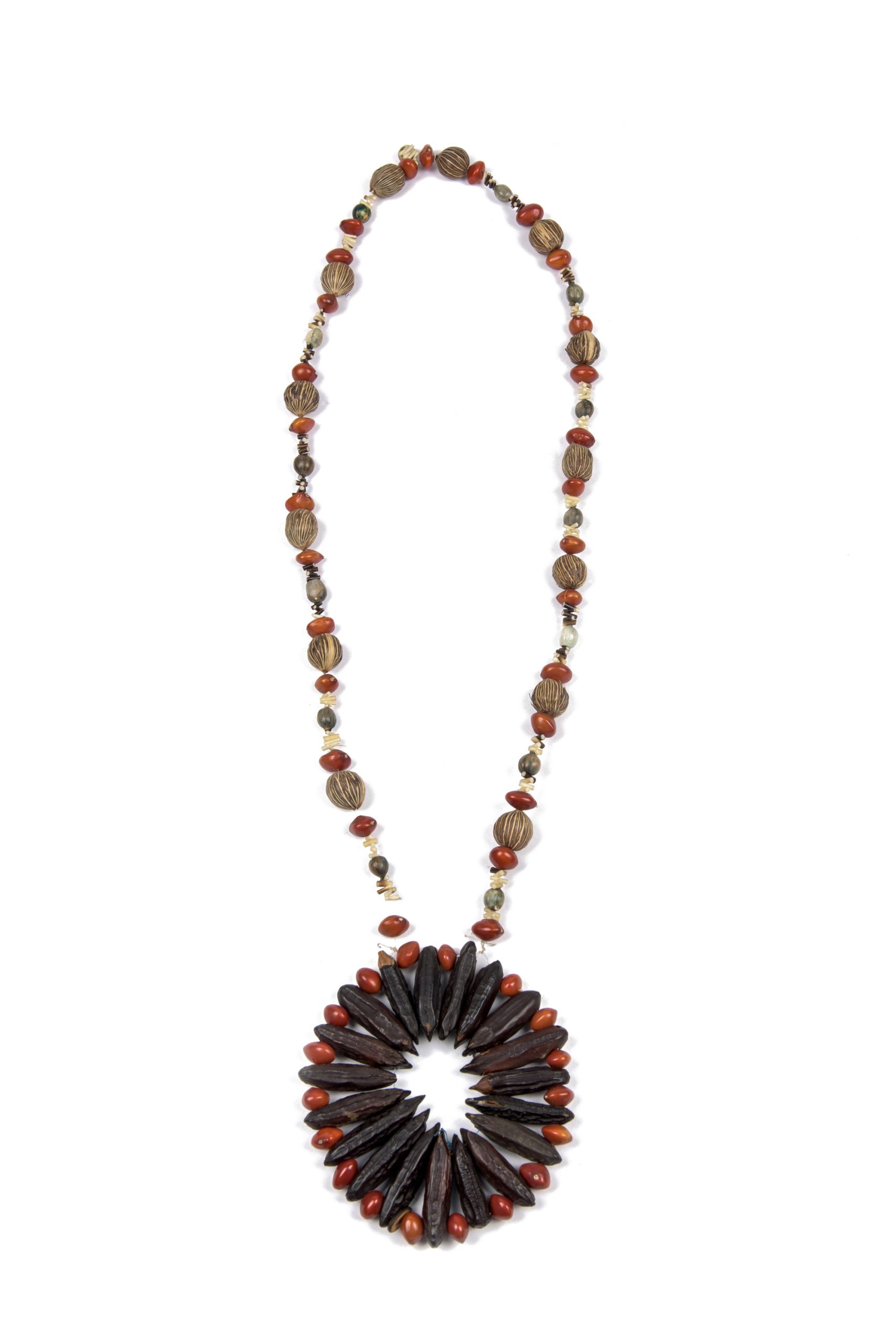
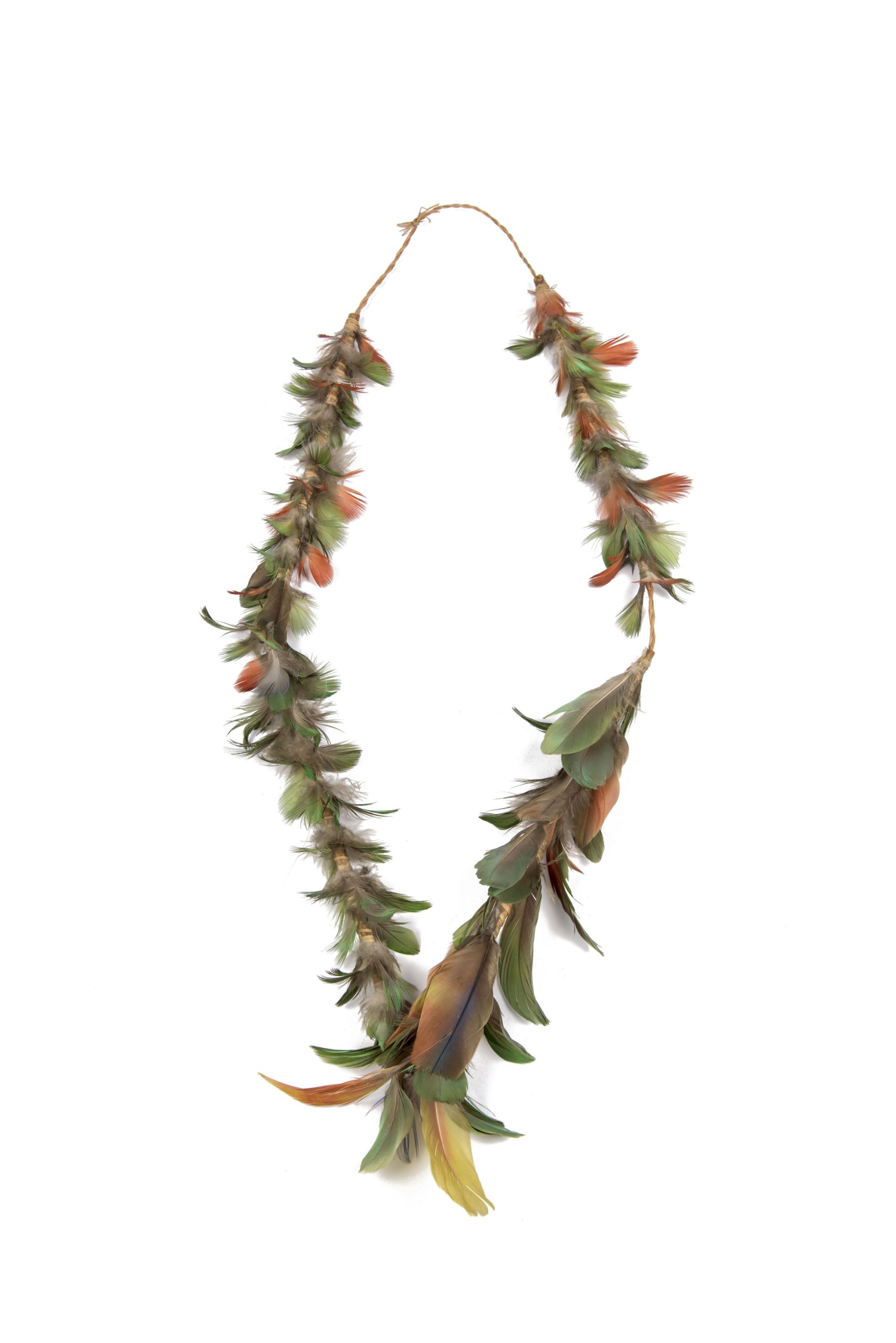
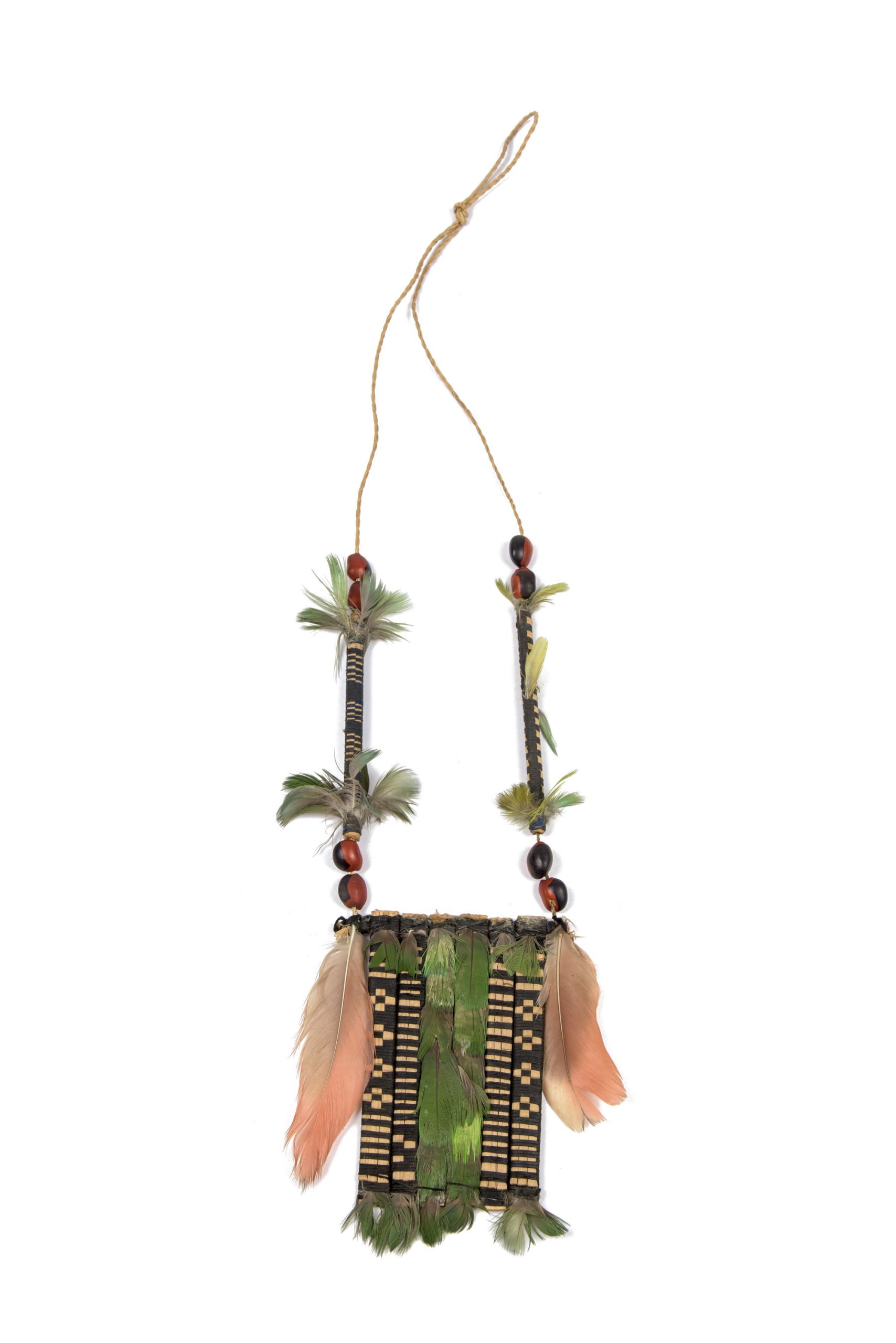
Neklaces
Amazon estuary and Belém, Brazil, mid-20th c.
EMZ-Ex2060, Ex2068, Ex1899
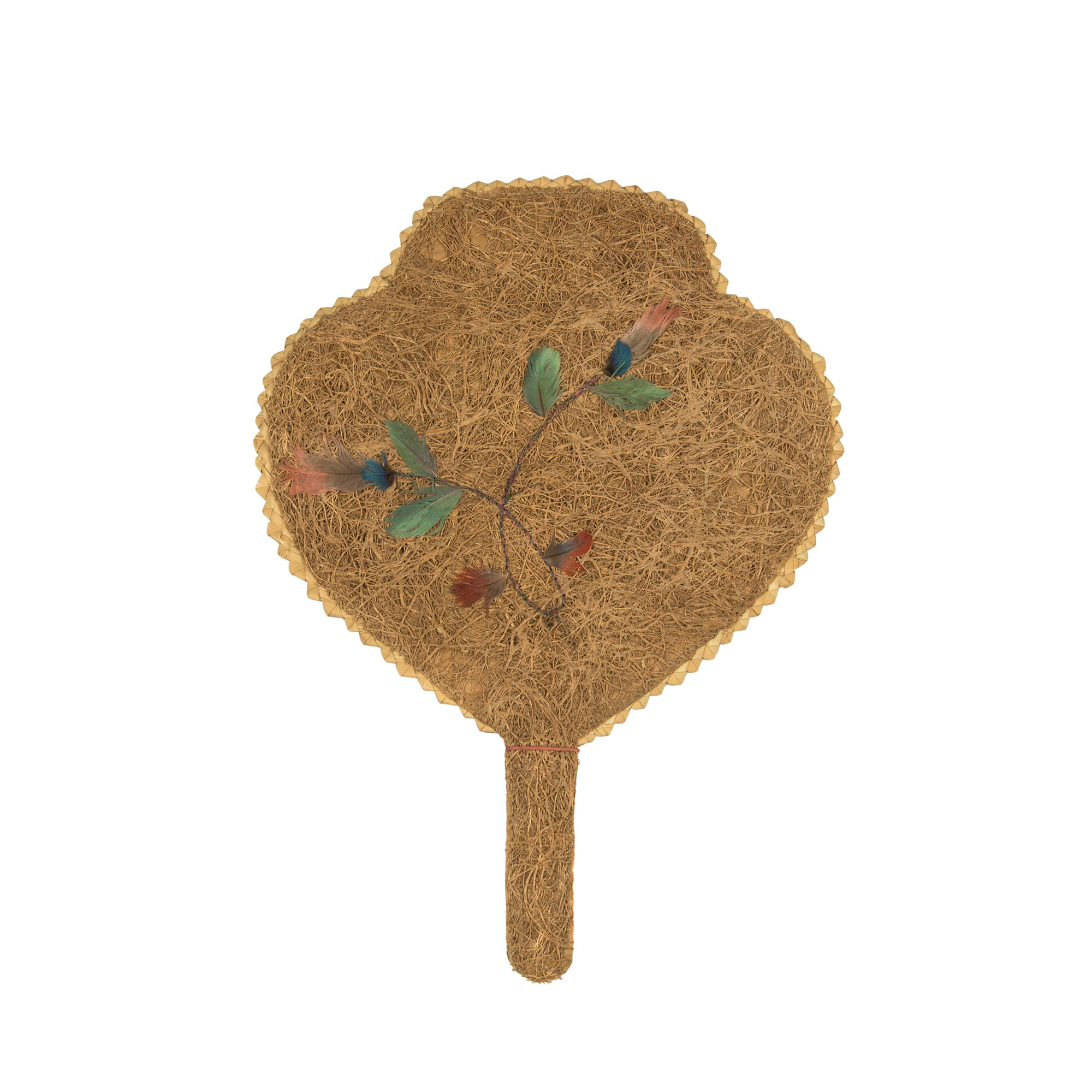
Fan
Amazonia, Brazil, mid-20th c.
EMZ-Ex2065
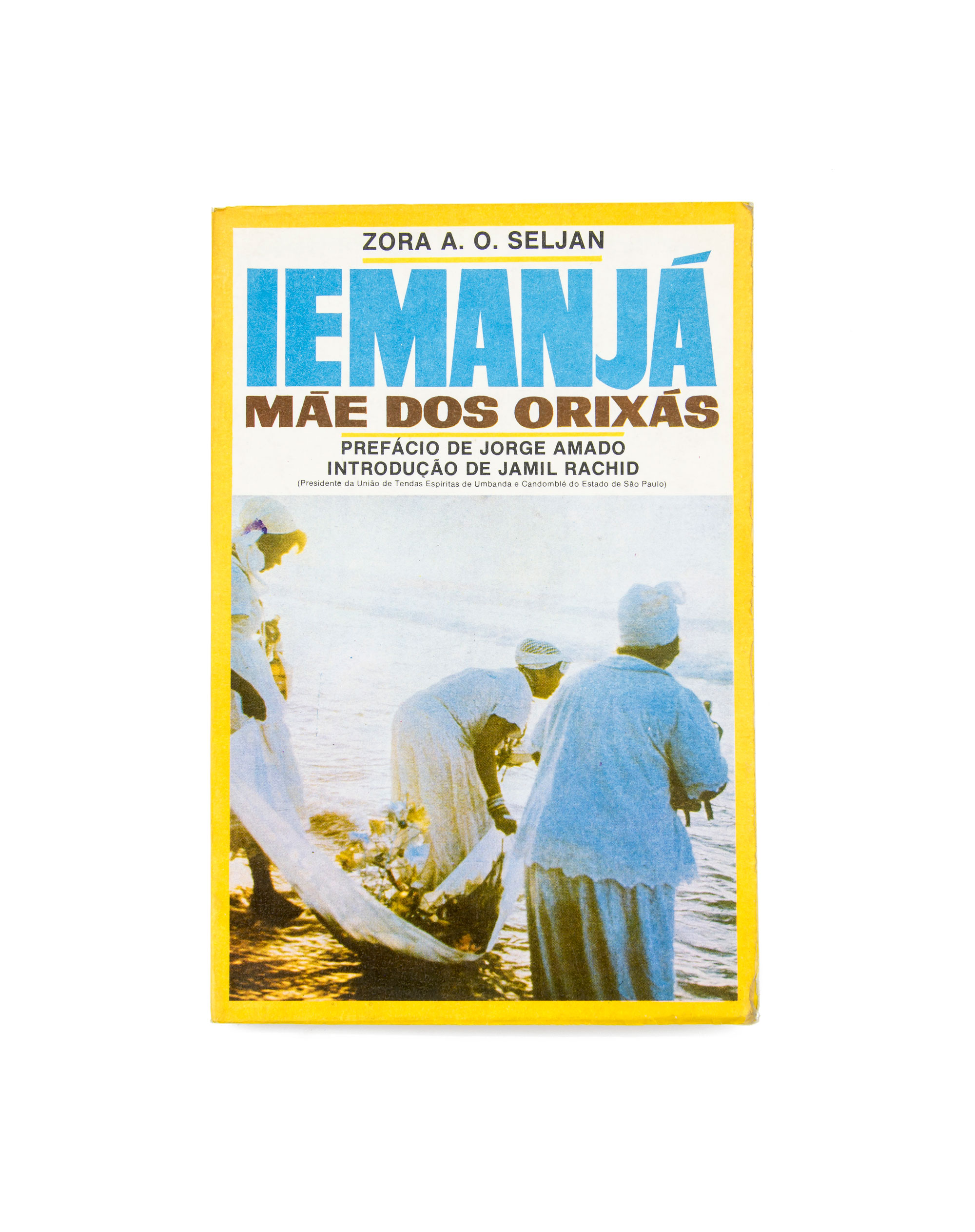
Cover of Zora Seljan’s book
ETHNOGRAPHIC MUSEUM ZAGREB
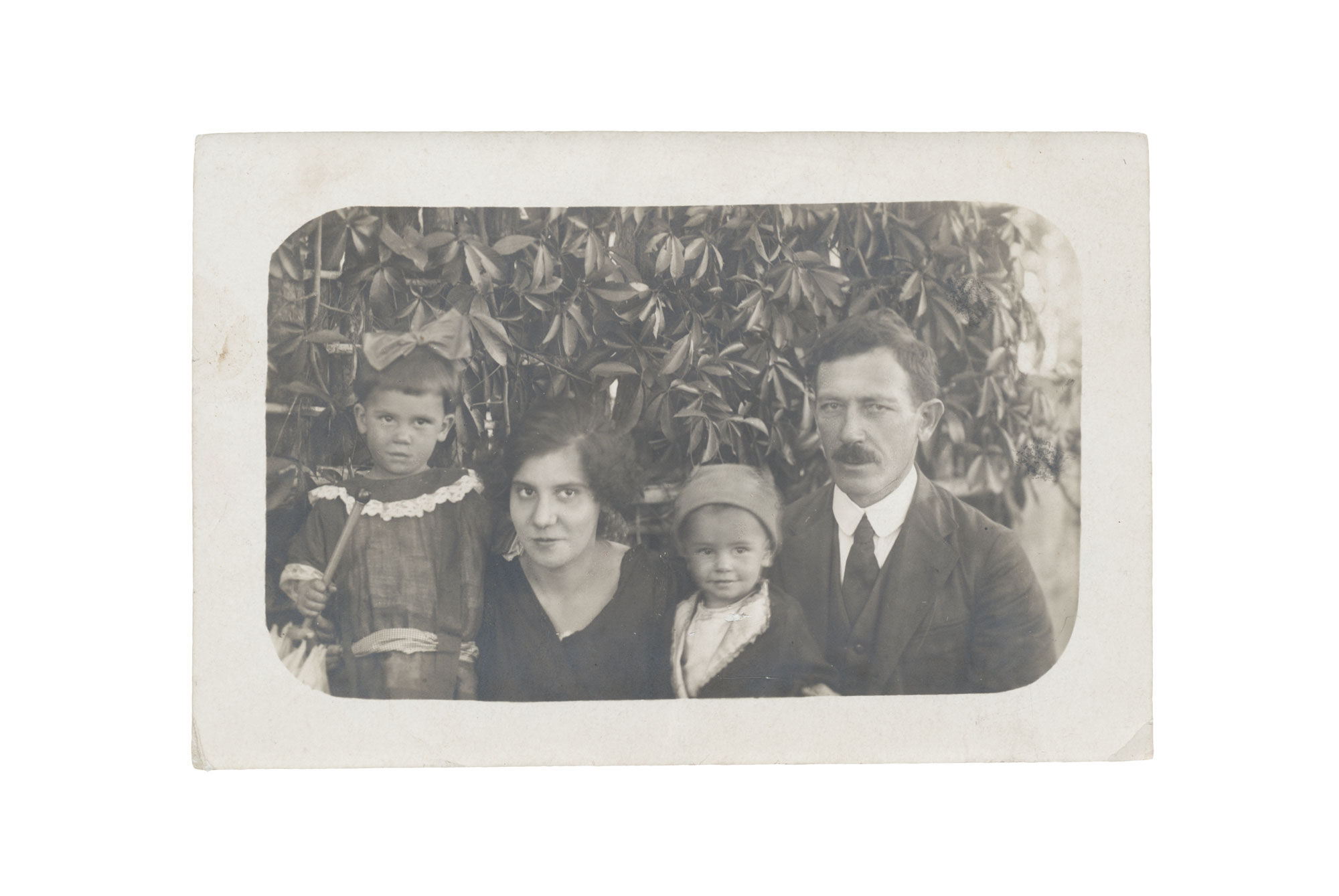
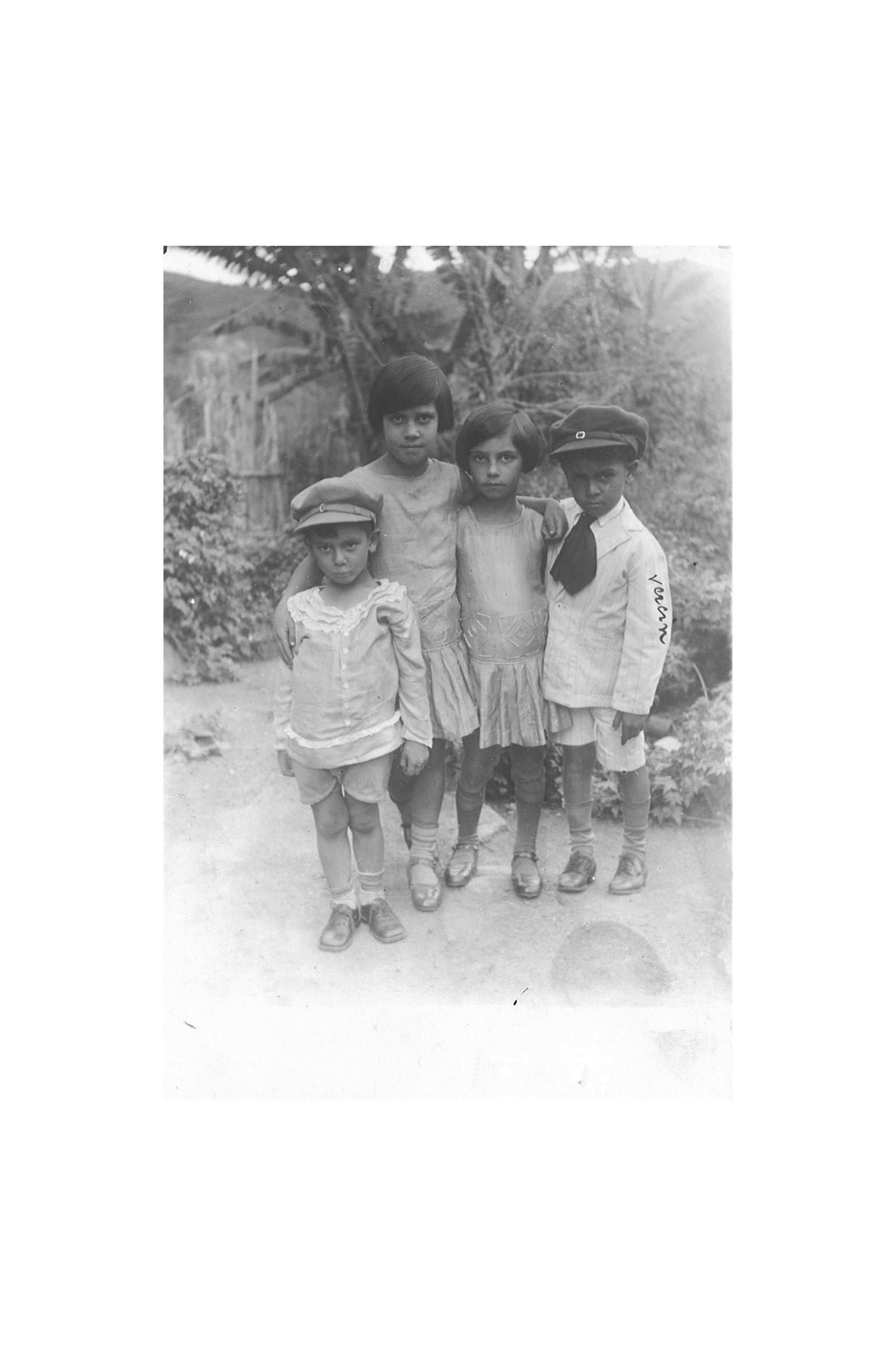
Family album
Stevo Seljan with his wife and daughters. Brazil, 1920.
EMZ-N 17255
Zora, Mirko, Moema and Janko Seljan.
Etnografski muzej
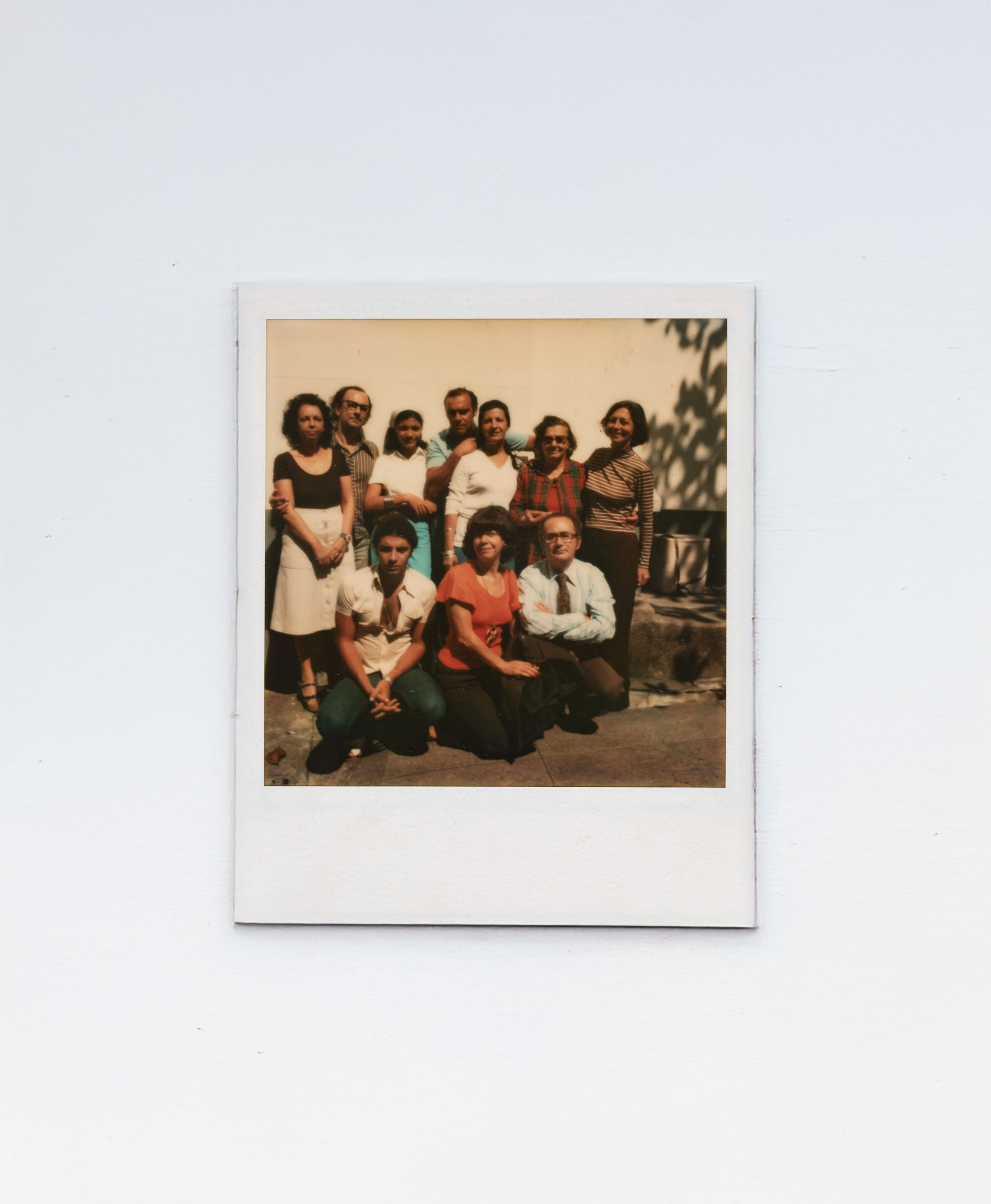
Zora Seljan and Antônio Olinto (lower right) before departure to Zagreb. Brazil, 1975.
Etnografski muzej
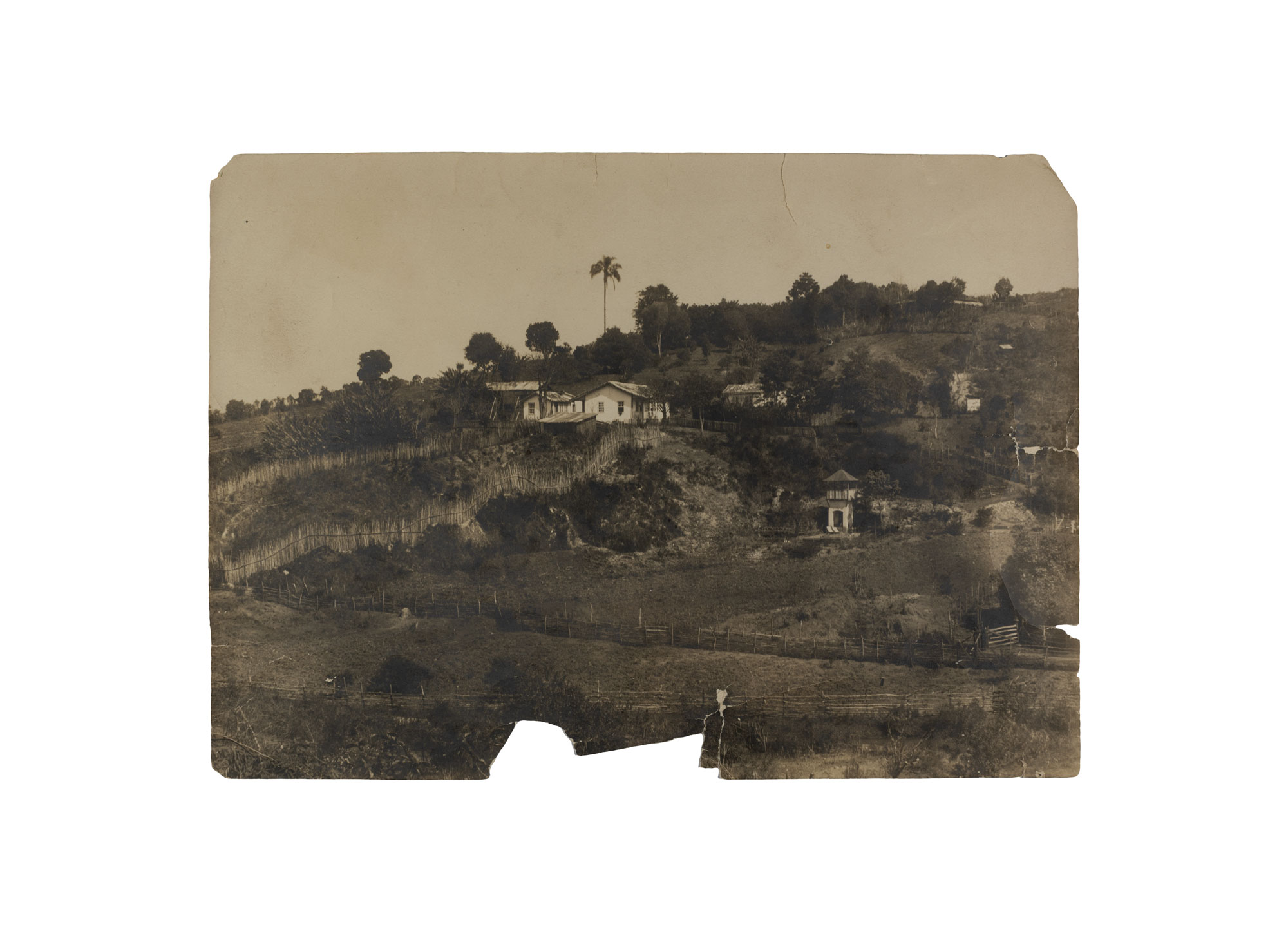
Tea plantation of Stevo Seljan in Rodrigo Silva. Brazil, after 1920.
Etnografski muzej