
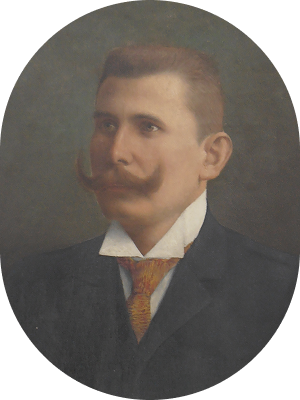
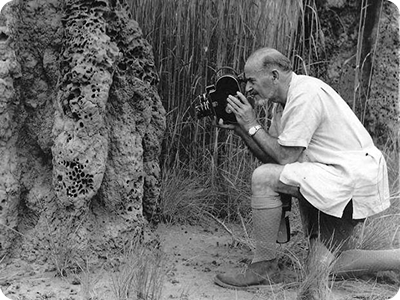
During his travels, Tibor Sekelj collected head coverings, masks, musical instruments, everyday and ritual objects, and weapons. He kept catalog cards modeled after museum records, noting details about the acquisition of the objects, their function, local names, who used them, and more. His collection of 750 items is located in the Museum of Senta, Serbia.
During the 1970s, Sekelj traveled through Australia and Papua New Guinea. He produced two television segments and published the book “Papuan Diary” about this journey. The Ethnographic Museum purchased 81 items he collected during this trip.
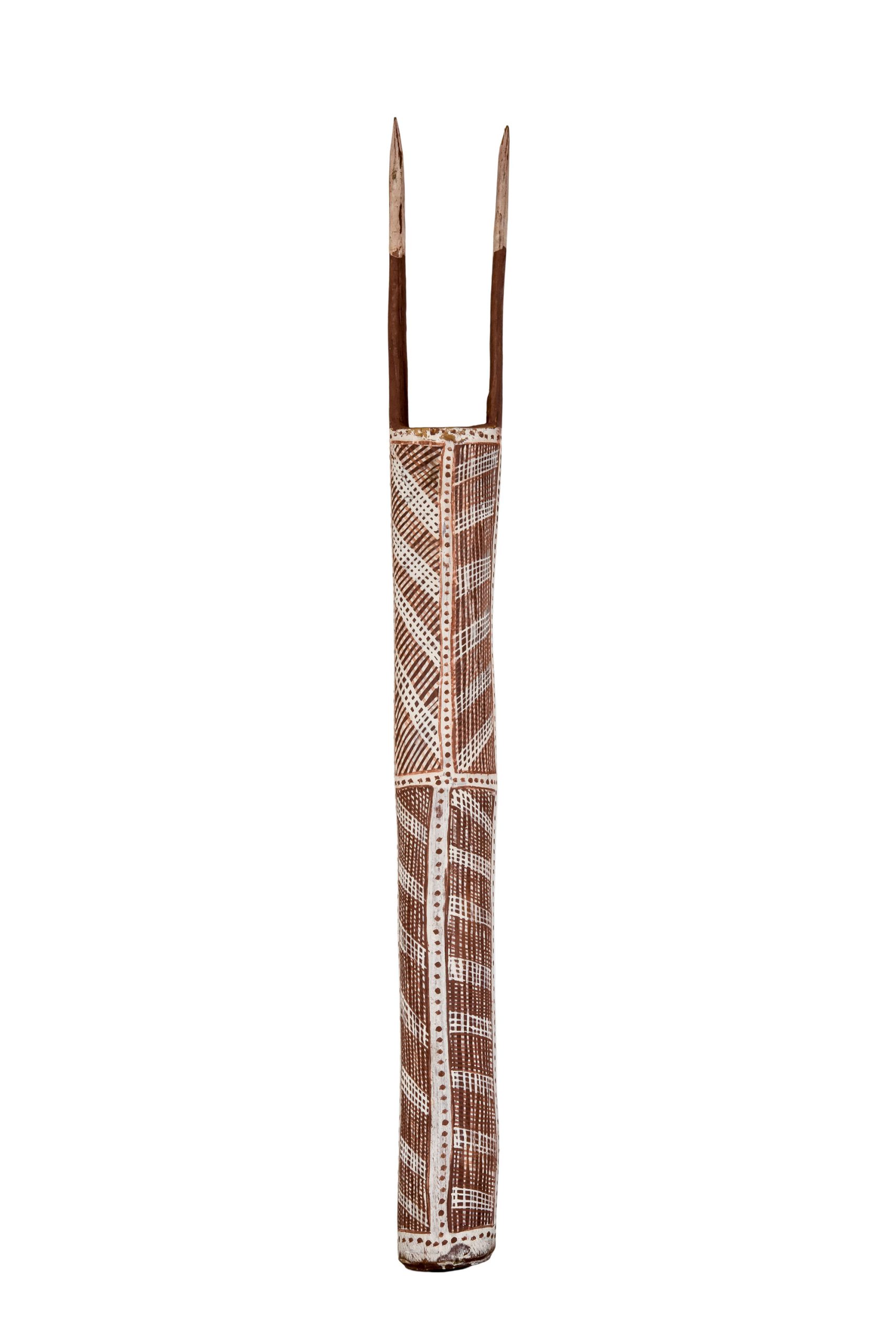
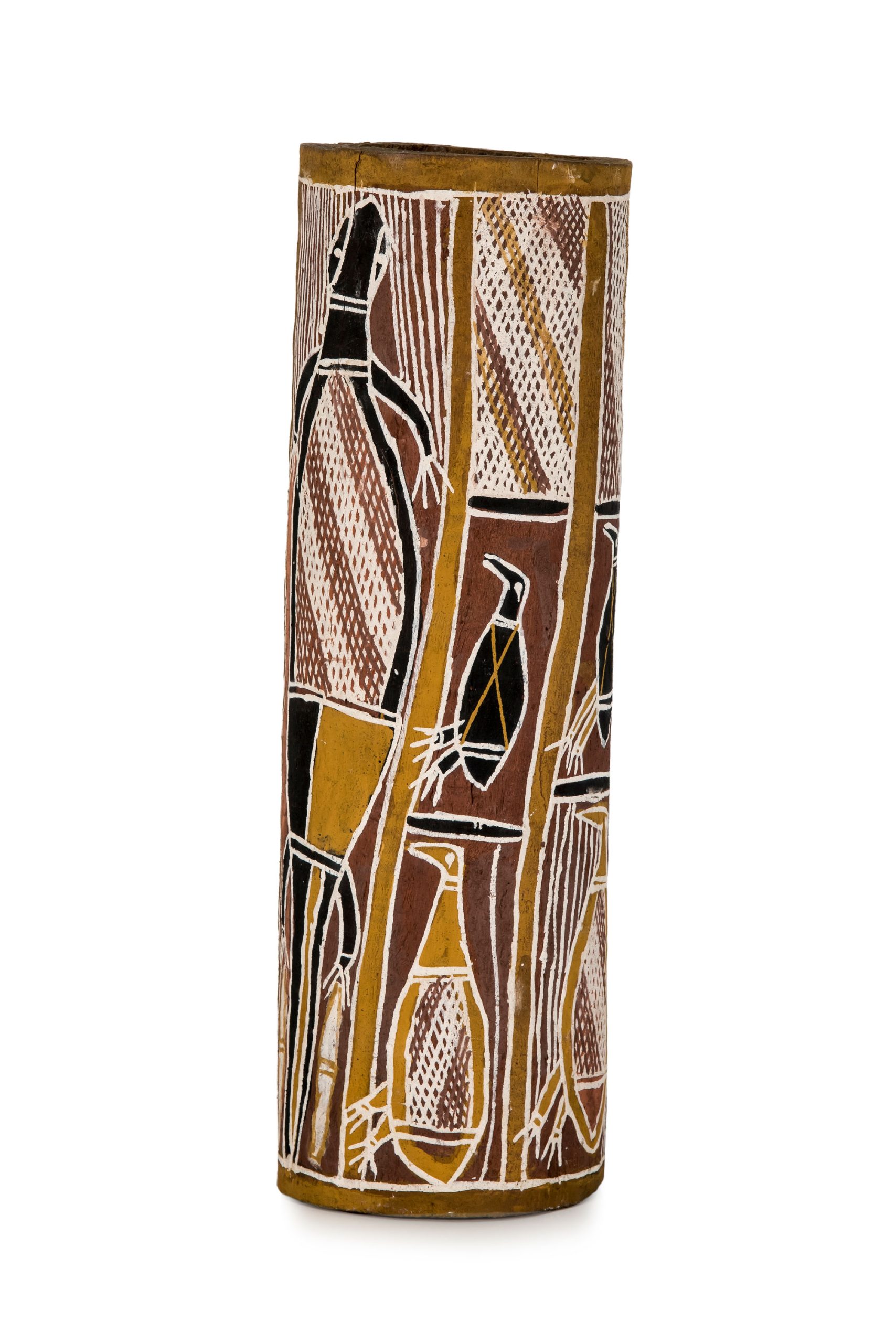
Bone containers
Maningrida, Australia, around 1970
EMZ-Ex1374, EMZ-Ex1375
Bone containers are part of burial customs specific to the Arnhem Land region in Australia. After the deceased’s body decomposes, the bones are placed in containers — larger ones are left at the burial site, while smaller ones are kept in the deceased’s house for a certain period. Artists from Arnhem Land created two hundred such containers, which make up the “Aboriginal Memorial.” This memorial commemorates all Indigenous people who lost their lives defending their land since the beginning of British colonization in 1788, and it is permanently displayed at the National Gallery of Australia in Canberra.


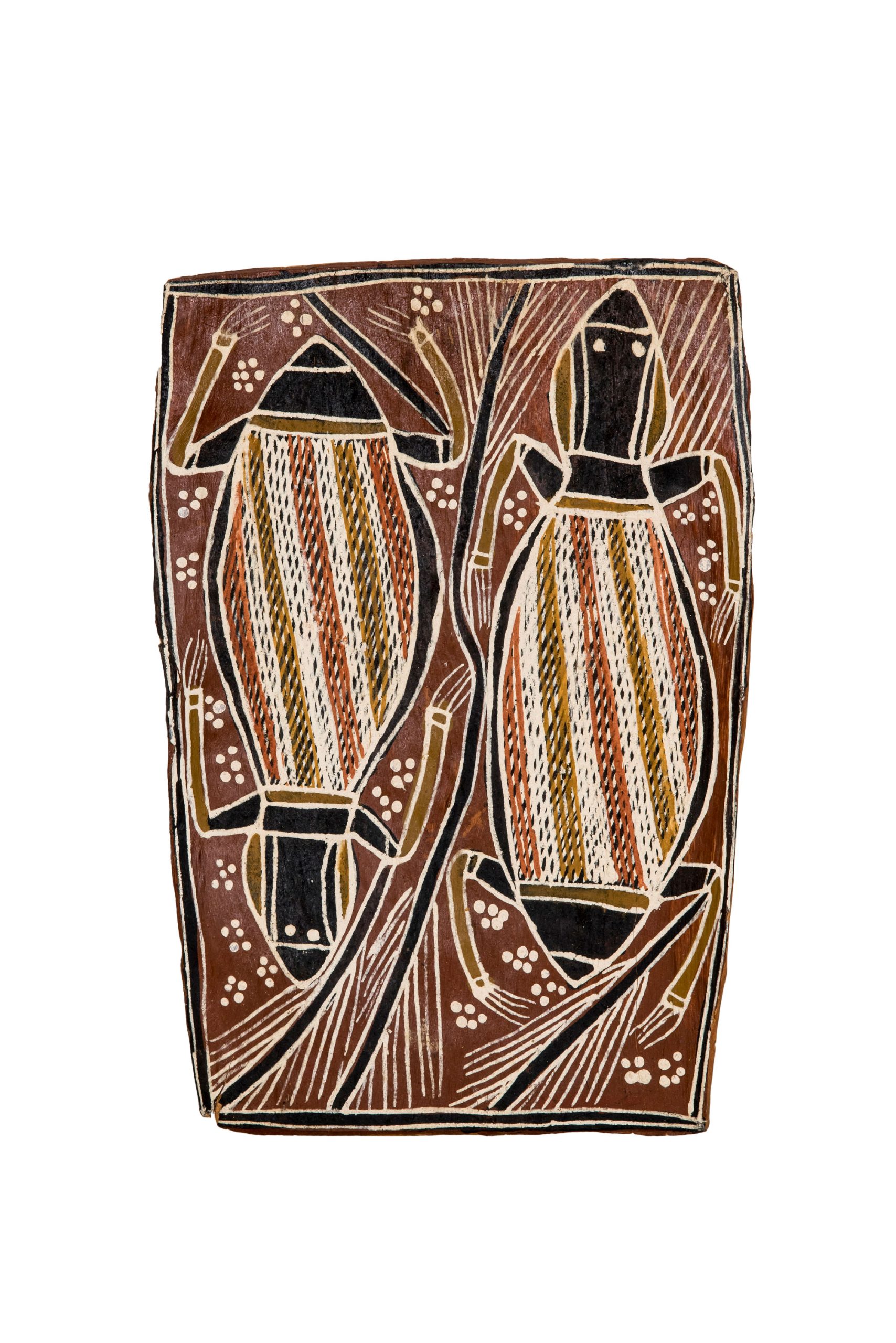
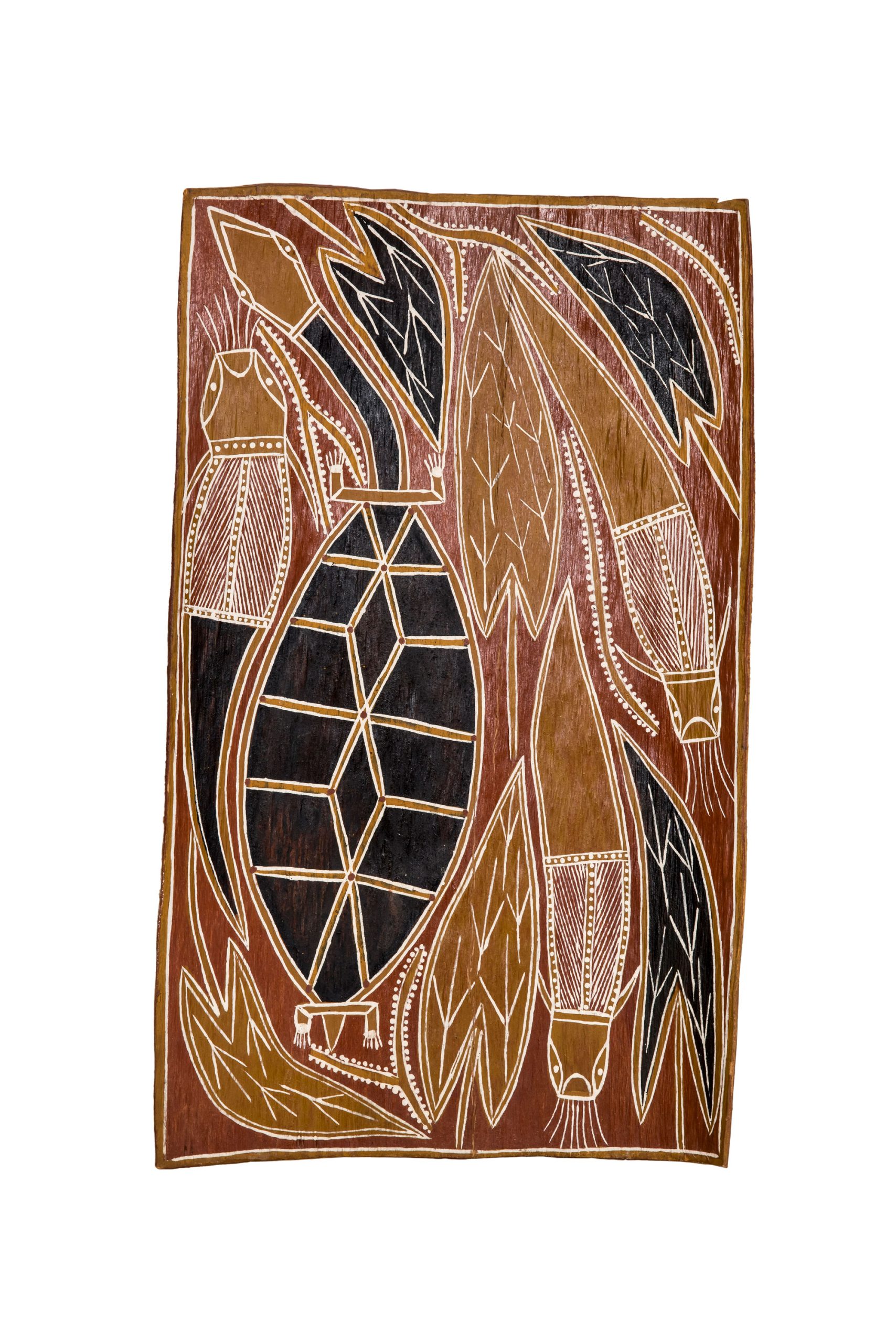
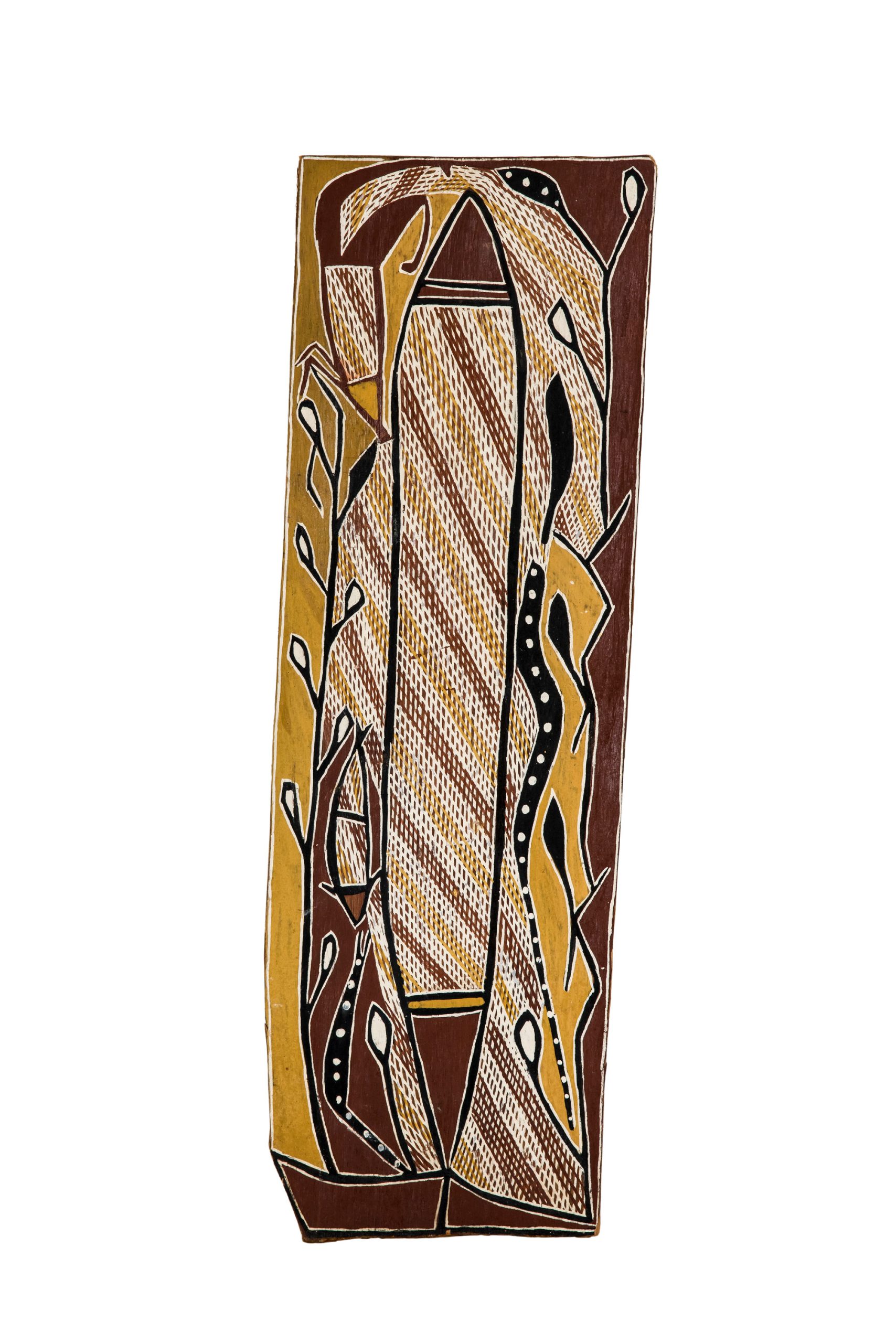
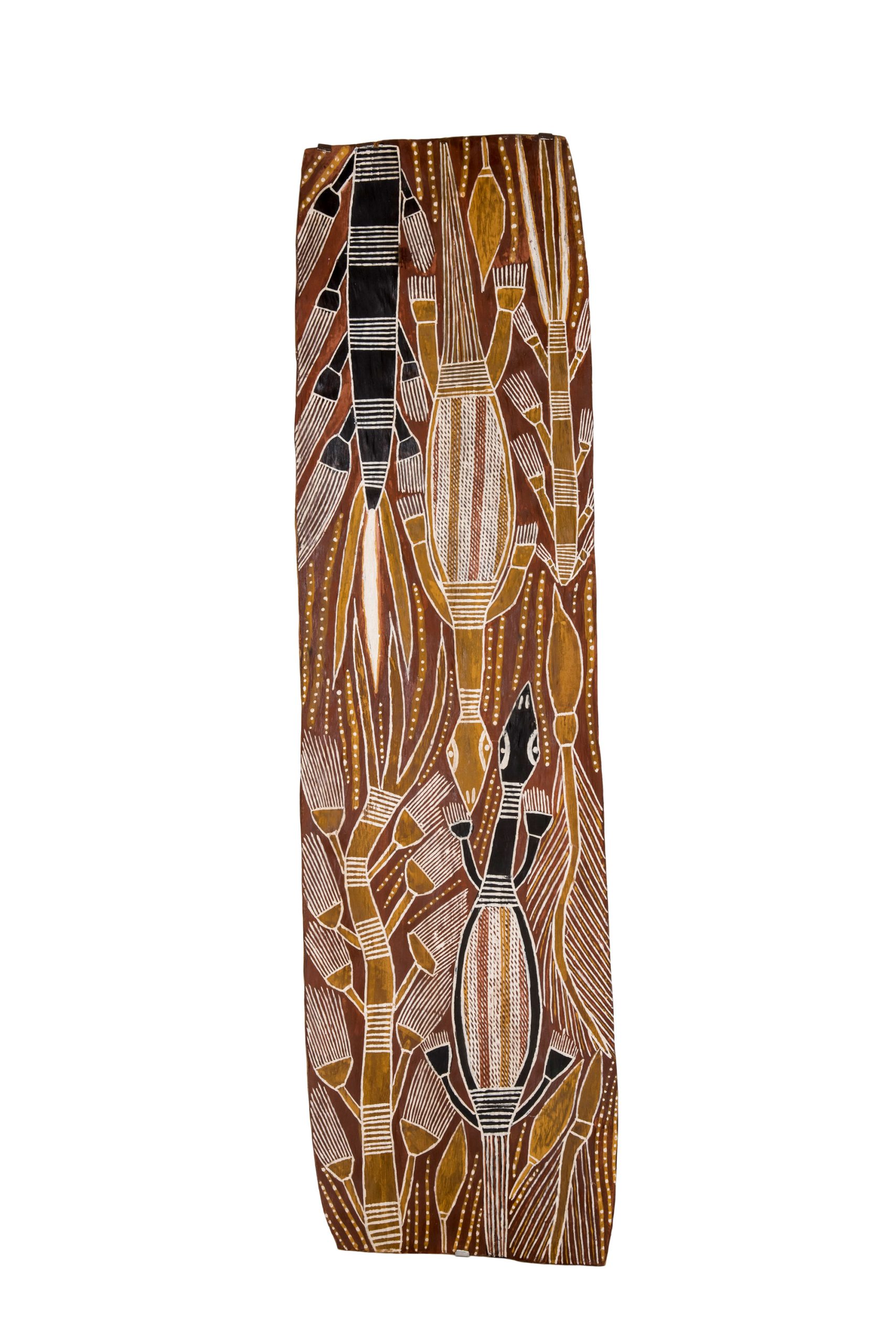
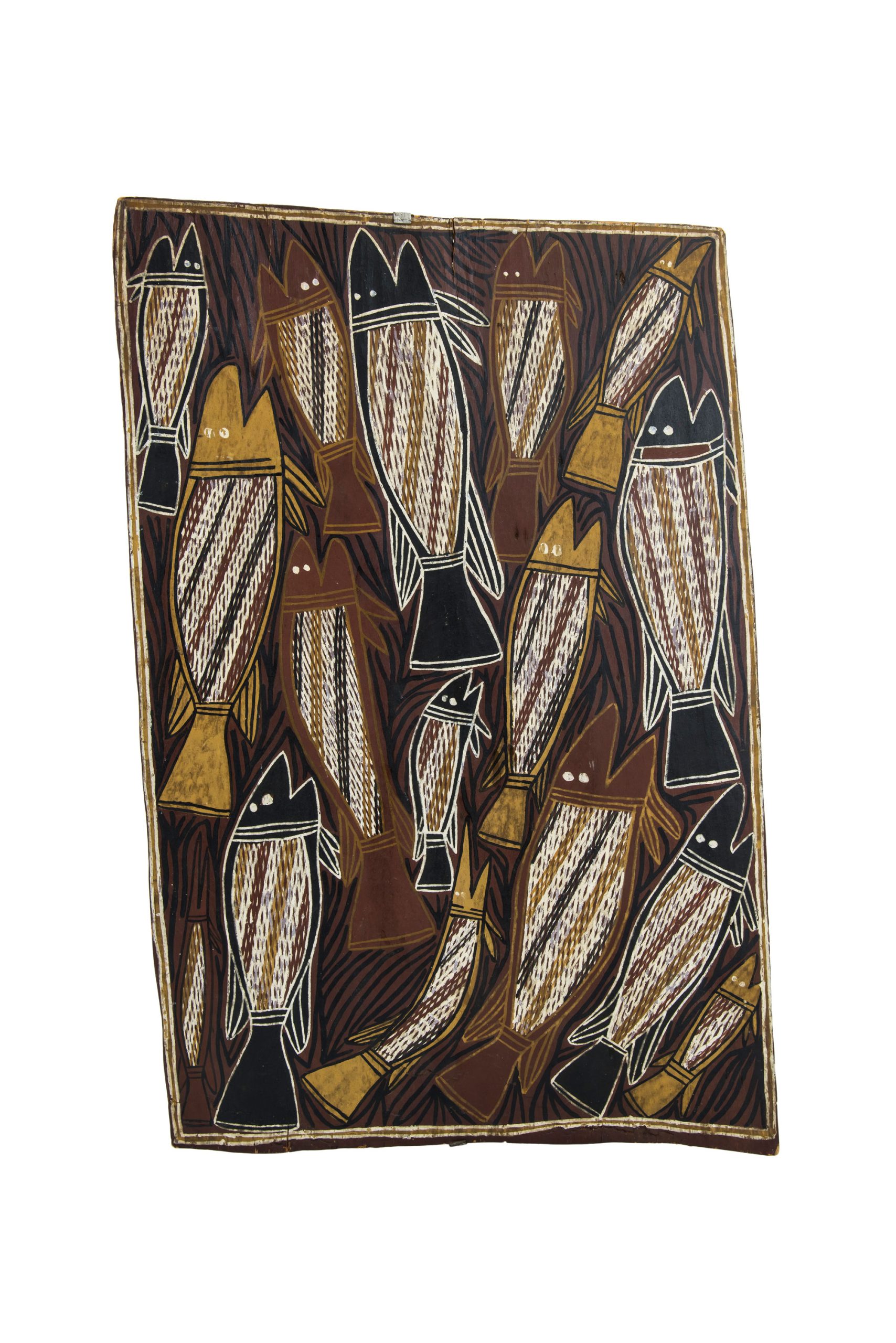
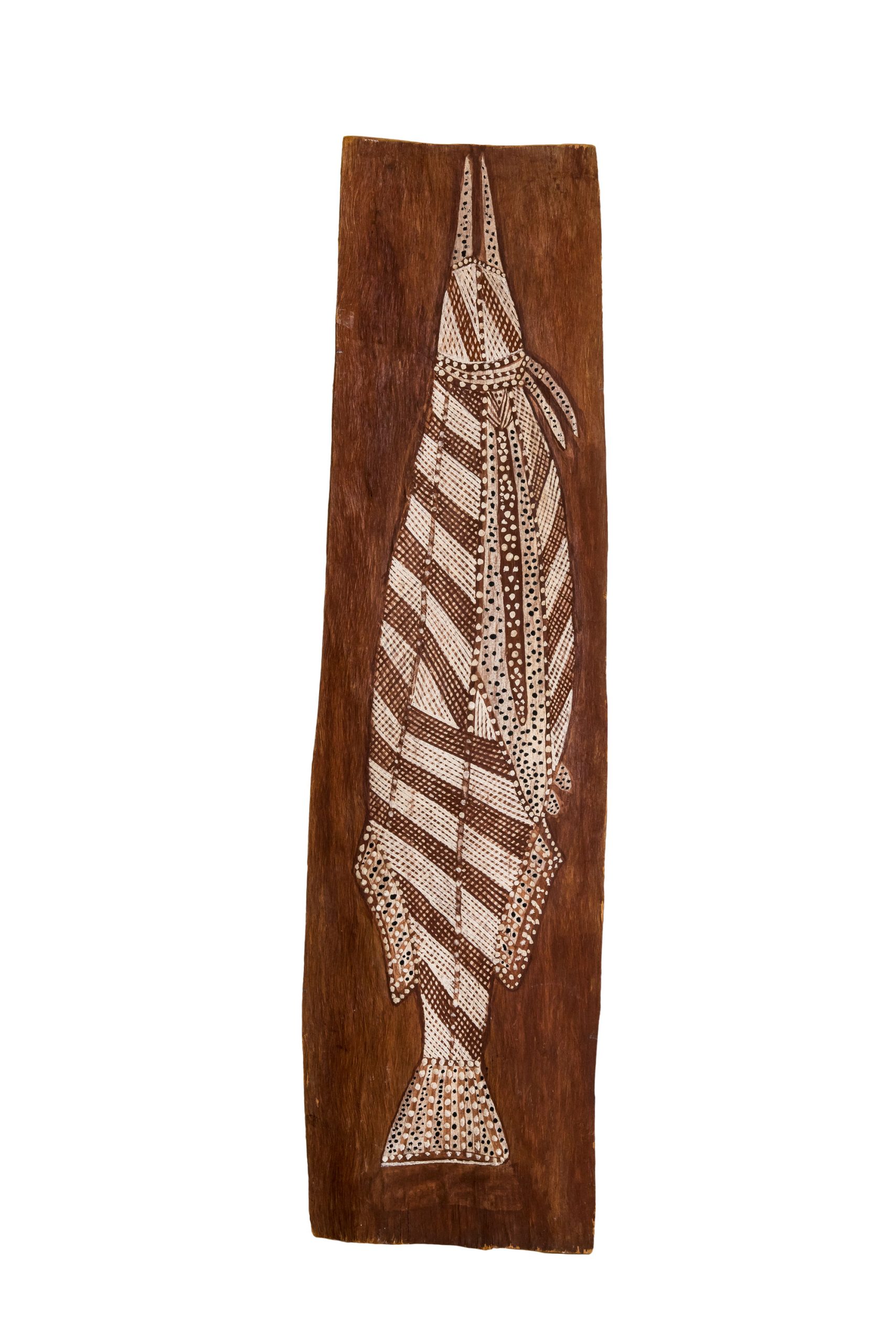
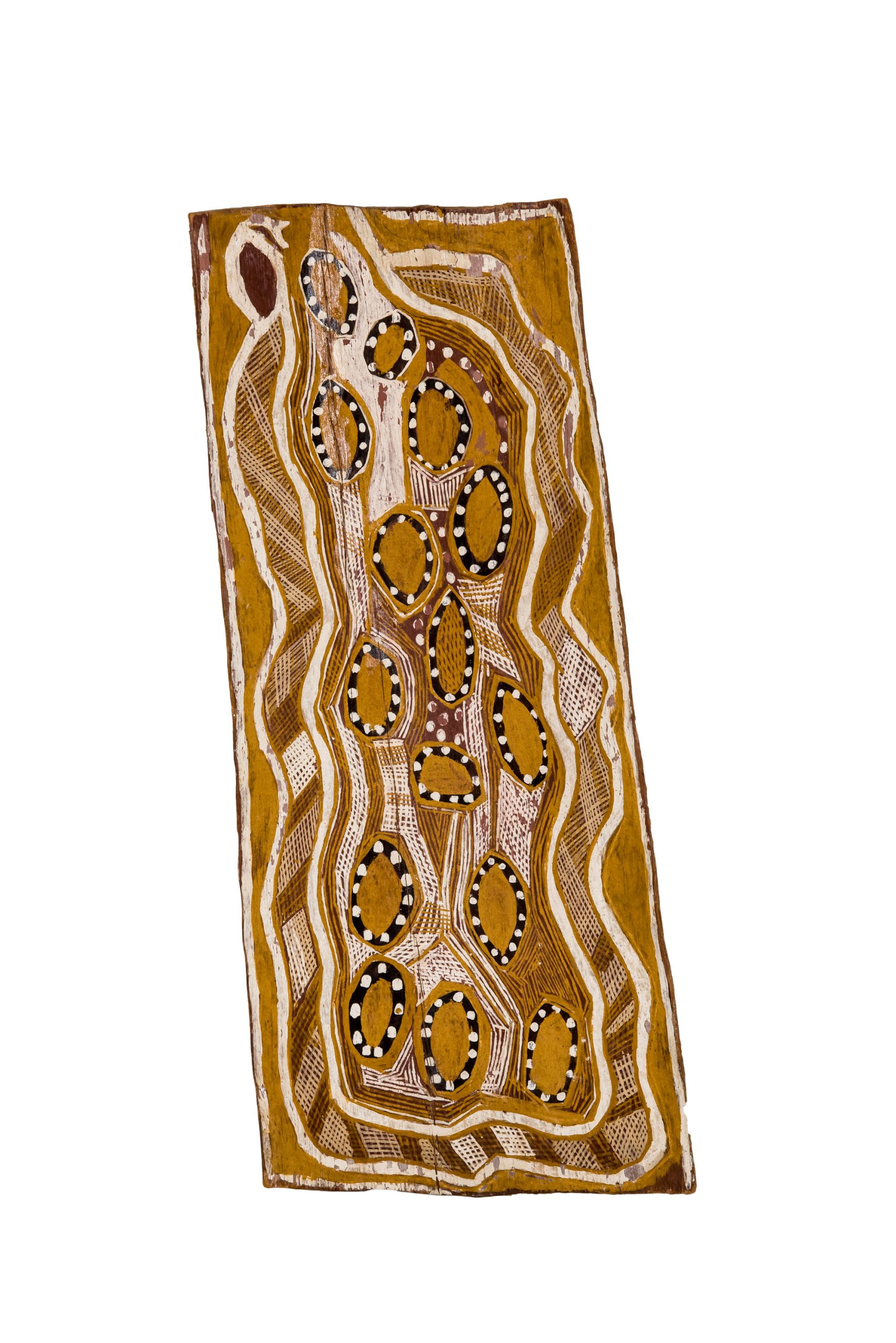
Bark paintings
Paintings on eucalyptus bark are one of the most recognizable artistic expressions of Aboriginal peoples. They originate from the tradition of painting the interiors of shelters, made from tree bark, which were used for protection against torrential rains during the wet season. The paintings served both educational and recreational purposes. Local missionaries and art dealers encouraged artists to paint their stories on separate pieces of bark, adapting them for sale and collection. In Maningrida, an Indigenous community in the heart of Arnhem Land, an art center has been supporting local artists and the sale of their artworks since the 1970s. Sekelj purchased a series of eucalyptus bark paintings from the center.
Bark paintings. Maningrida, Australia. Around 1970.
1) Author: Bob Bilinyarra. EMZ- EX1352
2) Author: Bingavoi. EMZ-EX1355
3) Author: England Banggala (1925–2001). He collaborated with the art center in Maningrida and exhibited in numerous shows. EMZ-EX1348
4) Author: Unknown author. EMZ-EX1357
5) Author: George Milpurrurru (1934–1998). The first Aboriginal artist to have a solo retrospective exhibition at the National Gallery of Australia and played a significant role in the creation of the Aboriginal Memorial. EMZ-EX1354
6) Author: Mandarg. EMZ-EX1349
7) Author: Lumpi Gundaidja. EMZ-EX1358

Masks
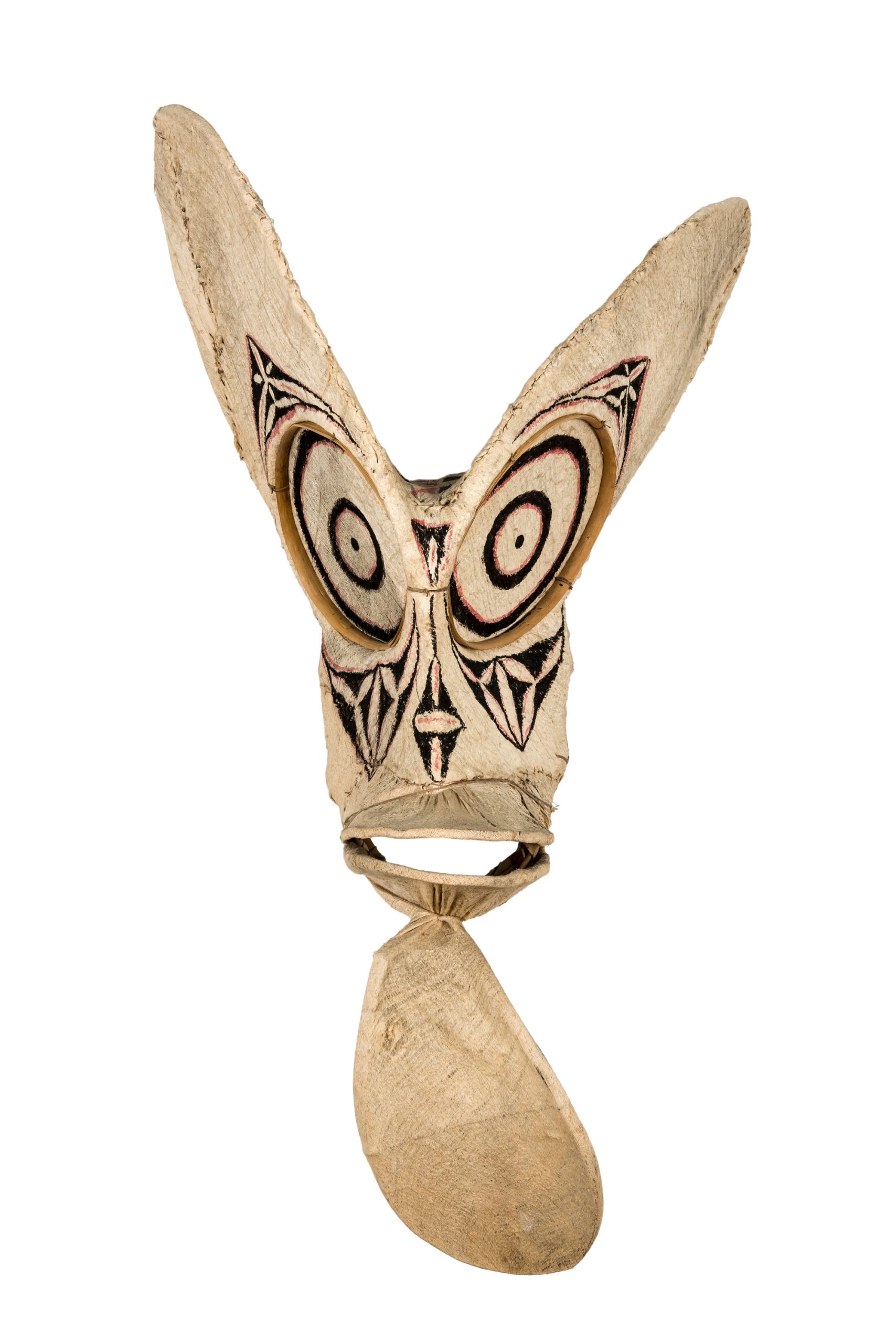
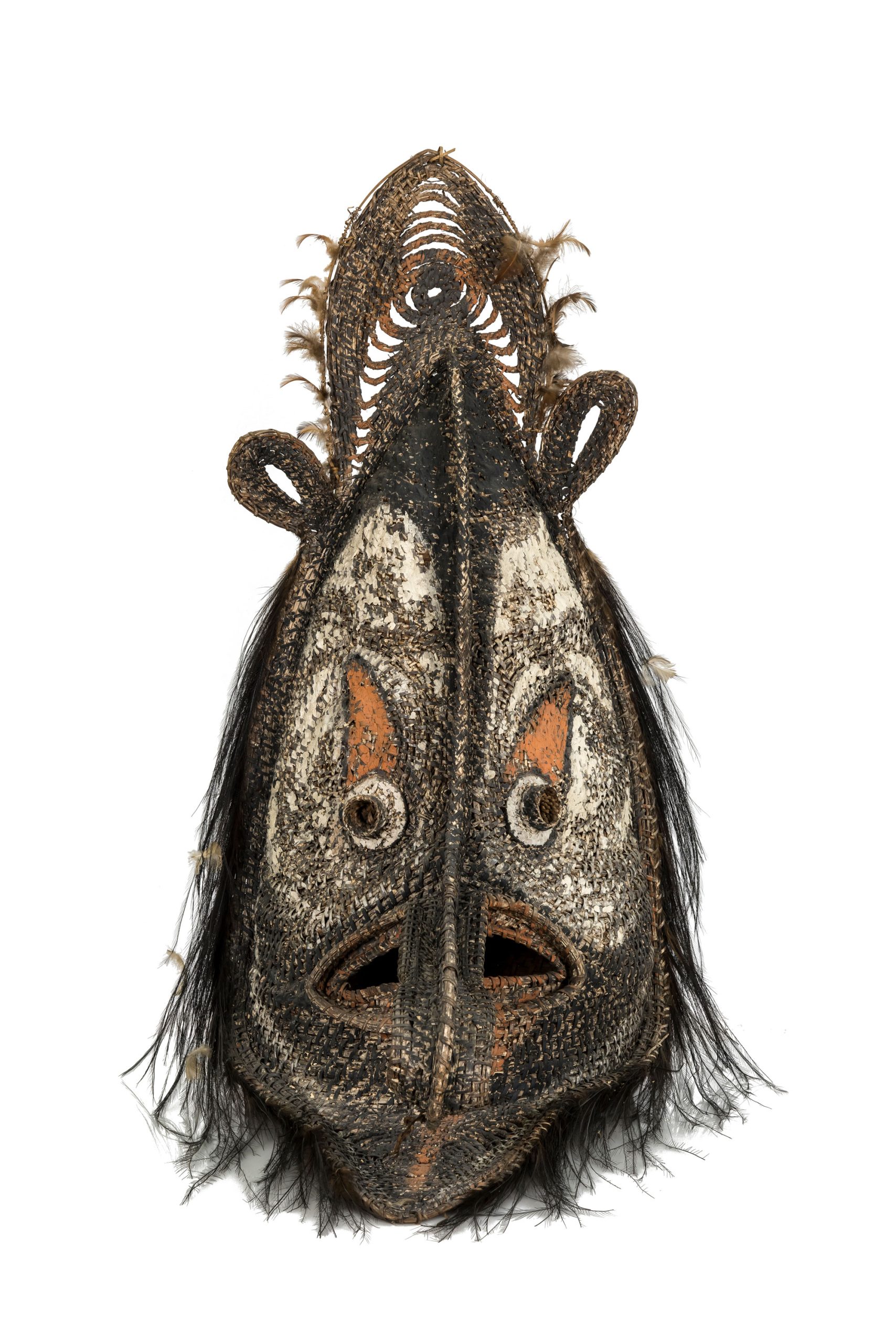
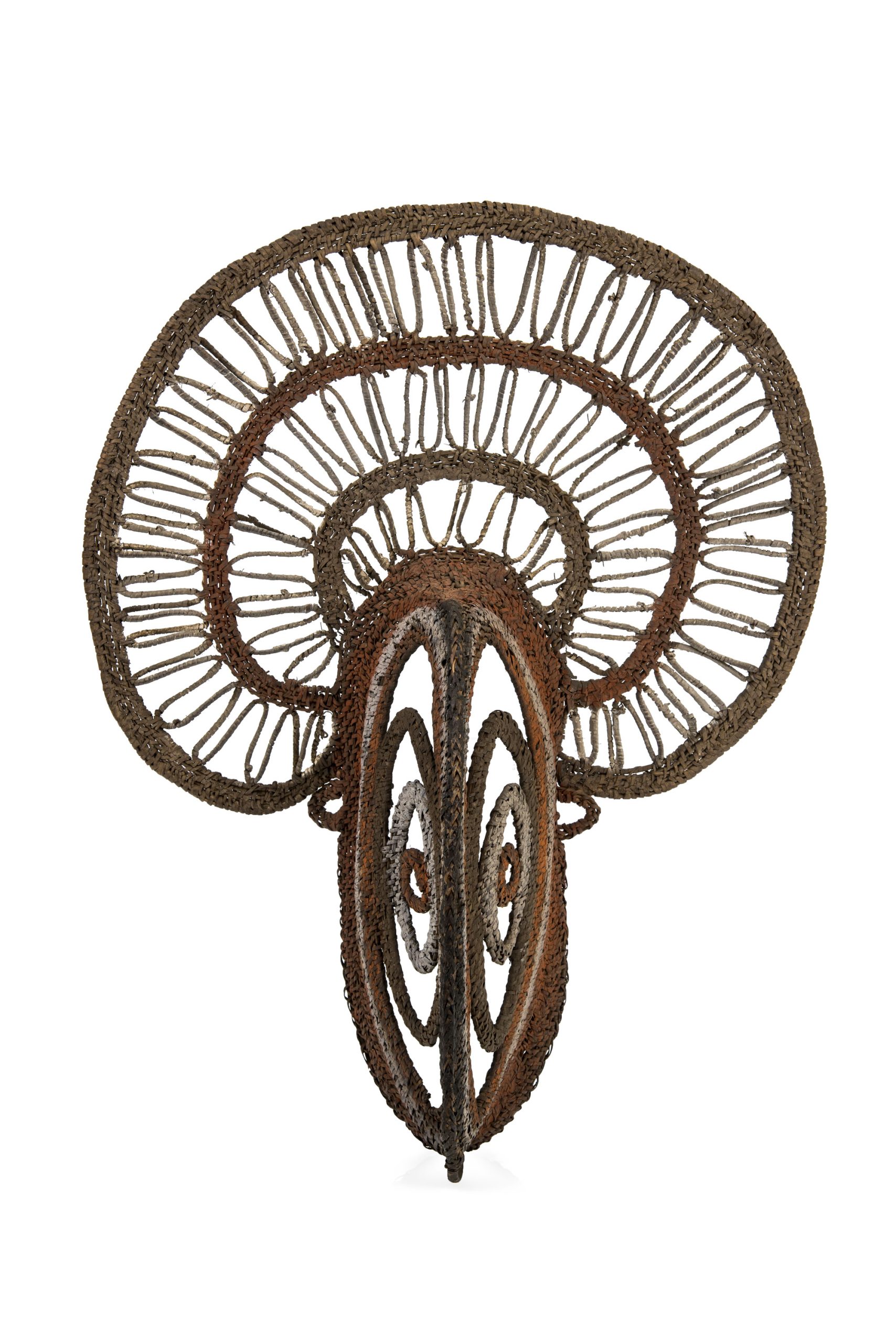
Masks from Papua New Guinea are exceptional in their variety of shapes and materials that they have been made from, and the most famous ones are those from the Sepik River area. In some ceremonies, masks played the role of portraying mythical creatures or mediating between the world of the living and the world of the dead. They were also intended to transmit social values to children or to demonstrate social status and belonging to a particular group. In addition to the usual wearing of a mask on the head or face, masks were used also to reinforce specific objects, such as canoes or the largest yam plants during harvest festivals. Masks are still used nowadays in Papua New Guinea during specific ceremonies.
Mask kavat. New Britain, Papua New Guinea, 20th c.
EMZ-Ex1410
Used for men’s ritualistic night dance dedicated to spirits, animals and products in connection with the surrounding forest.
Mask. Huon Bay, Papua New Guinea, 20th c.
EMZ-Ex1409
Mask. Maprik, Papua New Guinea, 20th c.
EMZ-Ex1408
The mask was used to reinforce the largest yam plant during harvest festivities. It was never worn by people.
Mask. Middle Sepik River area, Papua New Guinea, 20th c.
EMZ-Ex1407
Exhibited in men’s house for rituals.
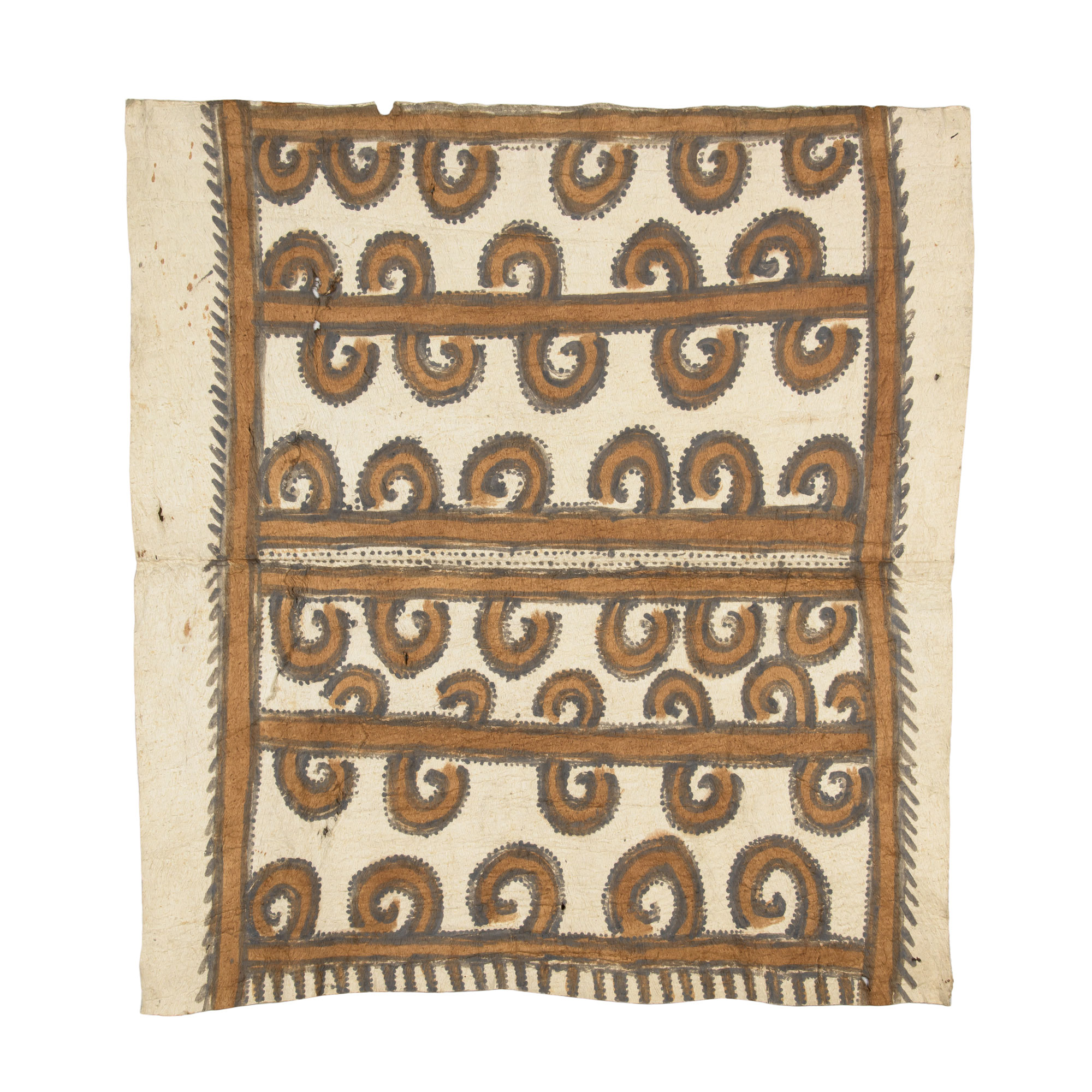

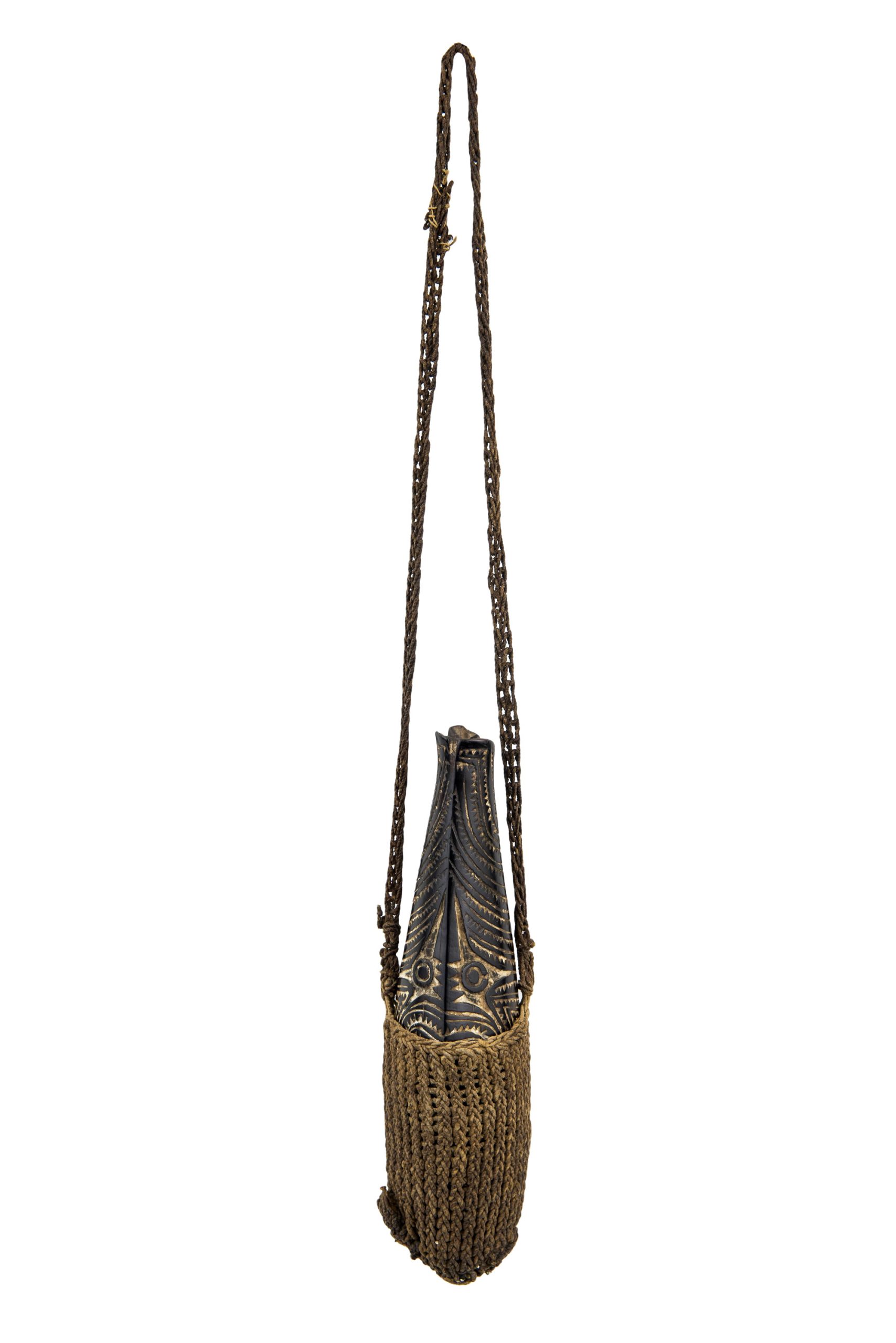
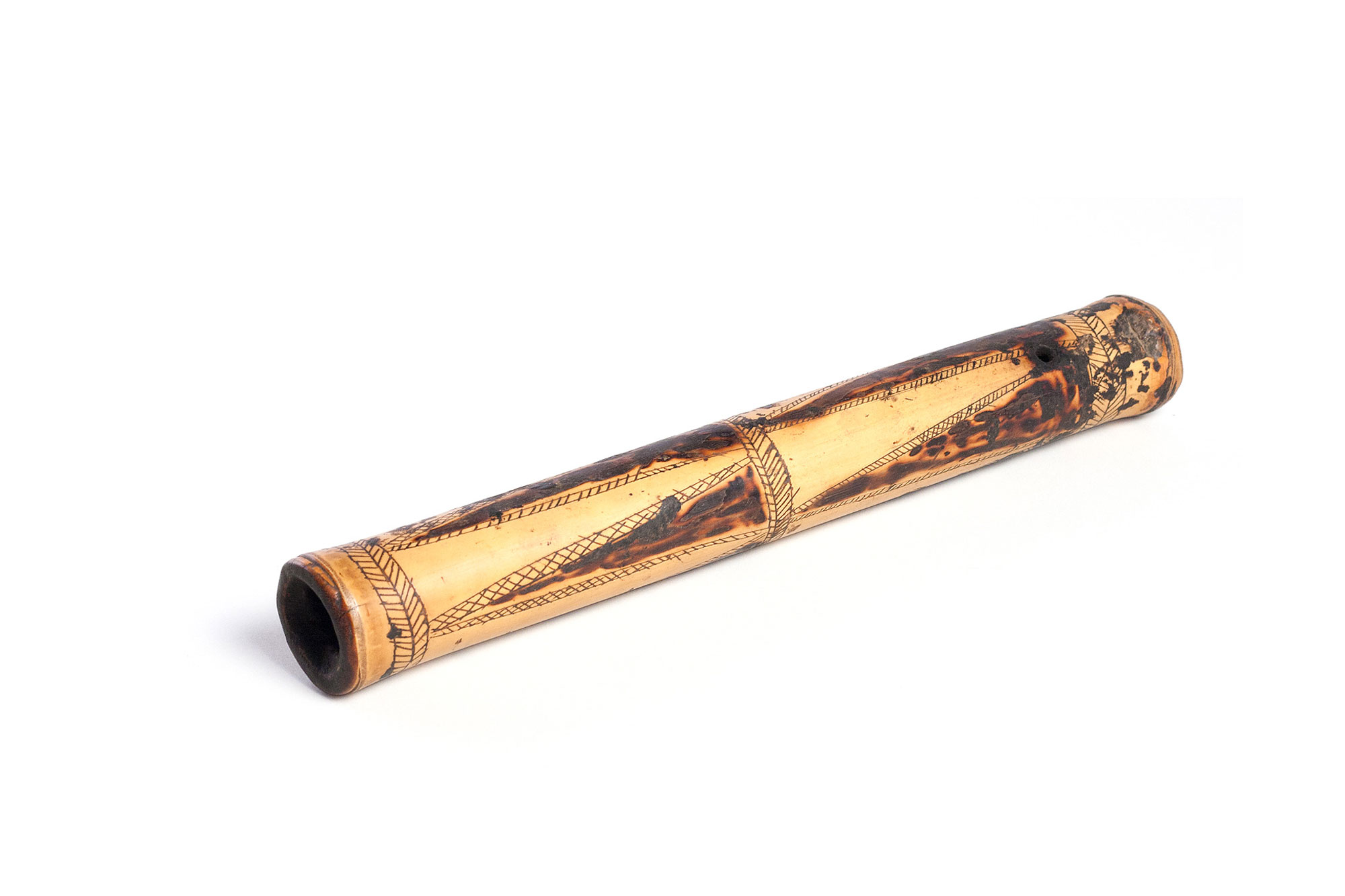
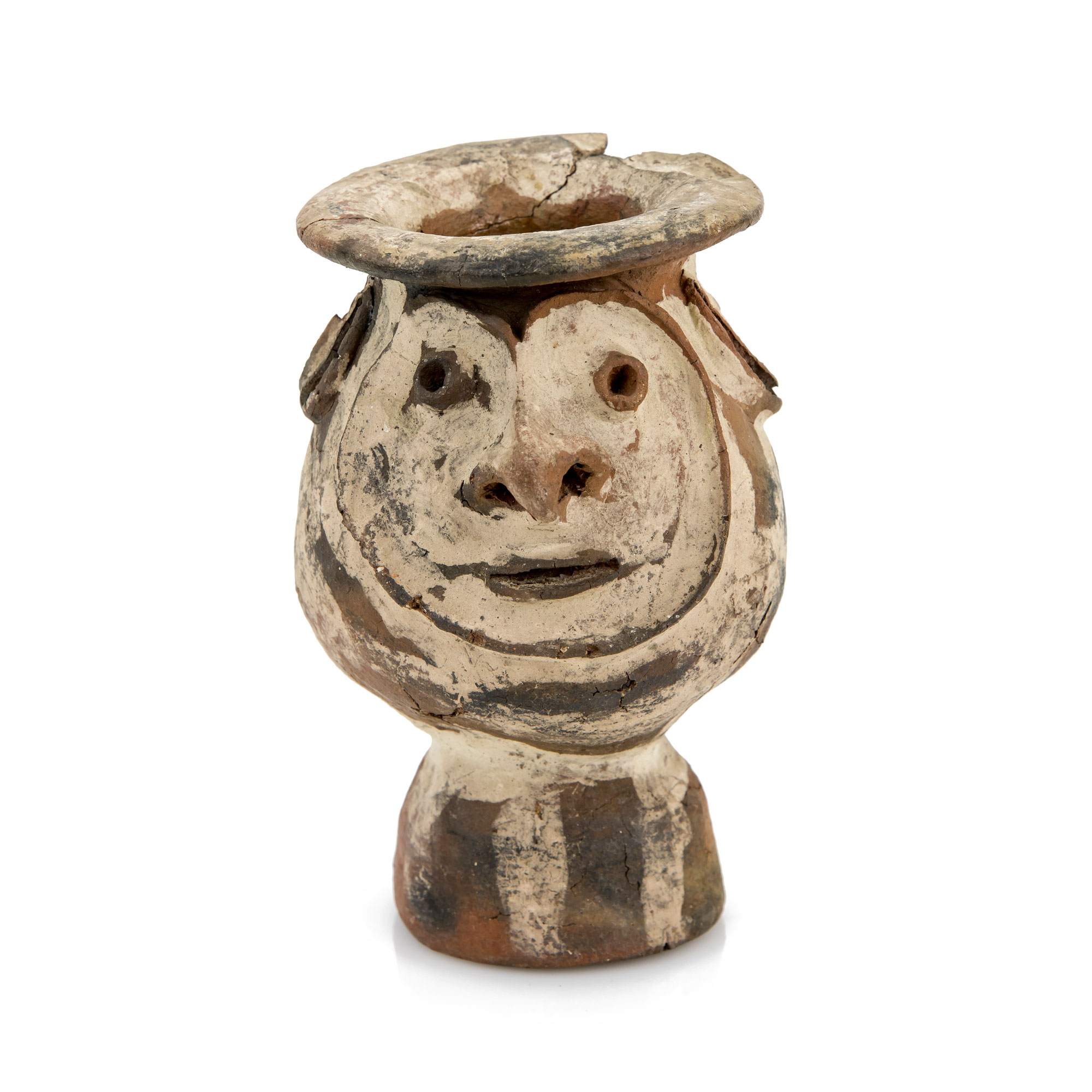
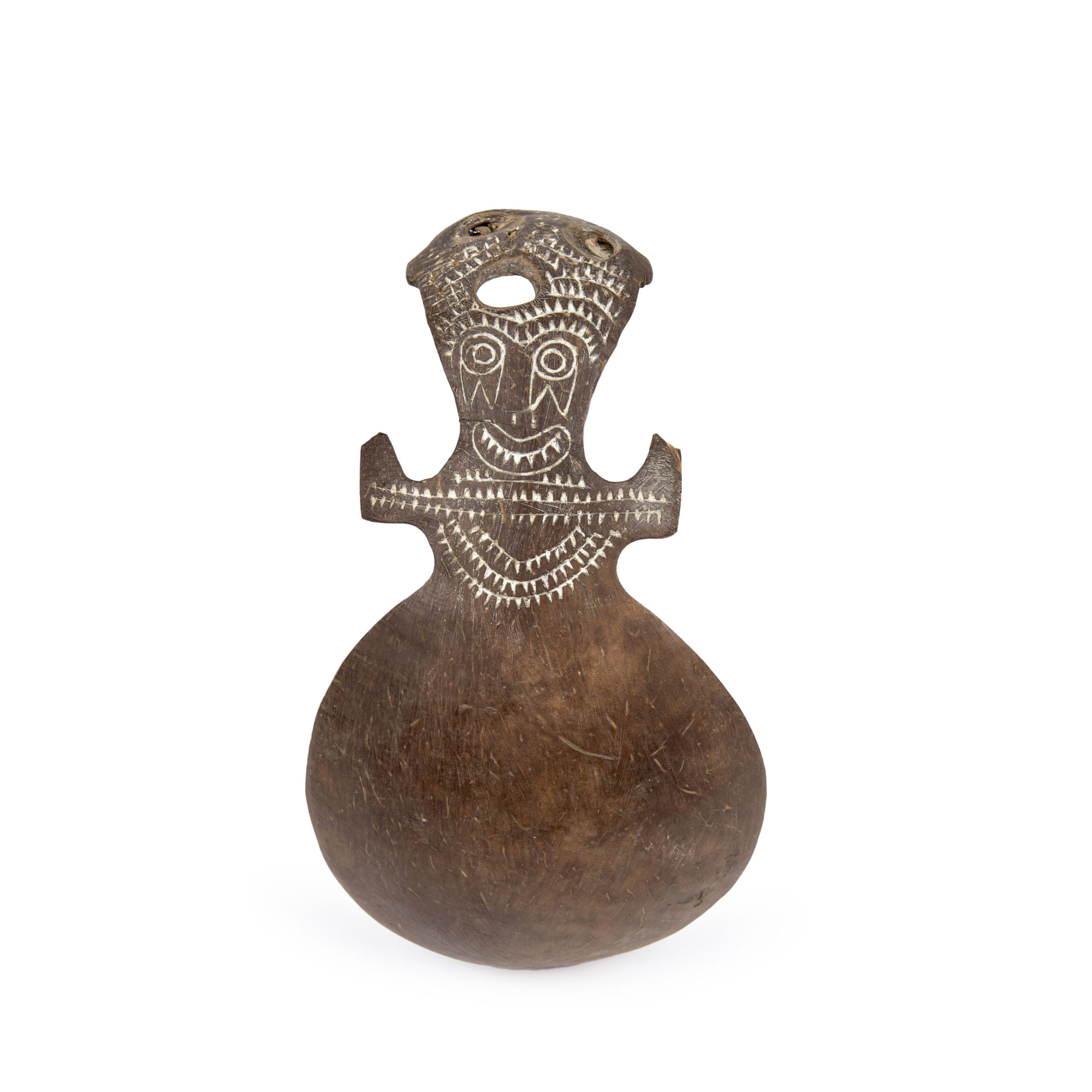
Objects from Papua New Guinea
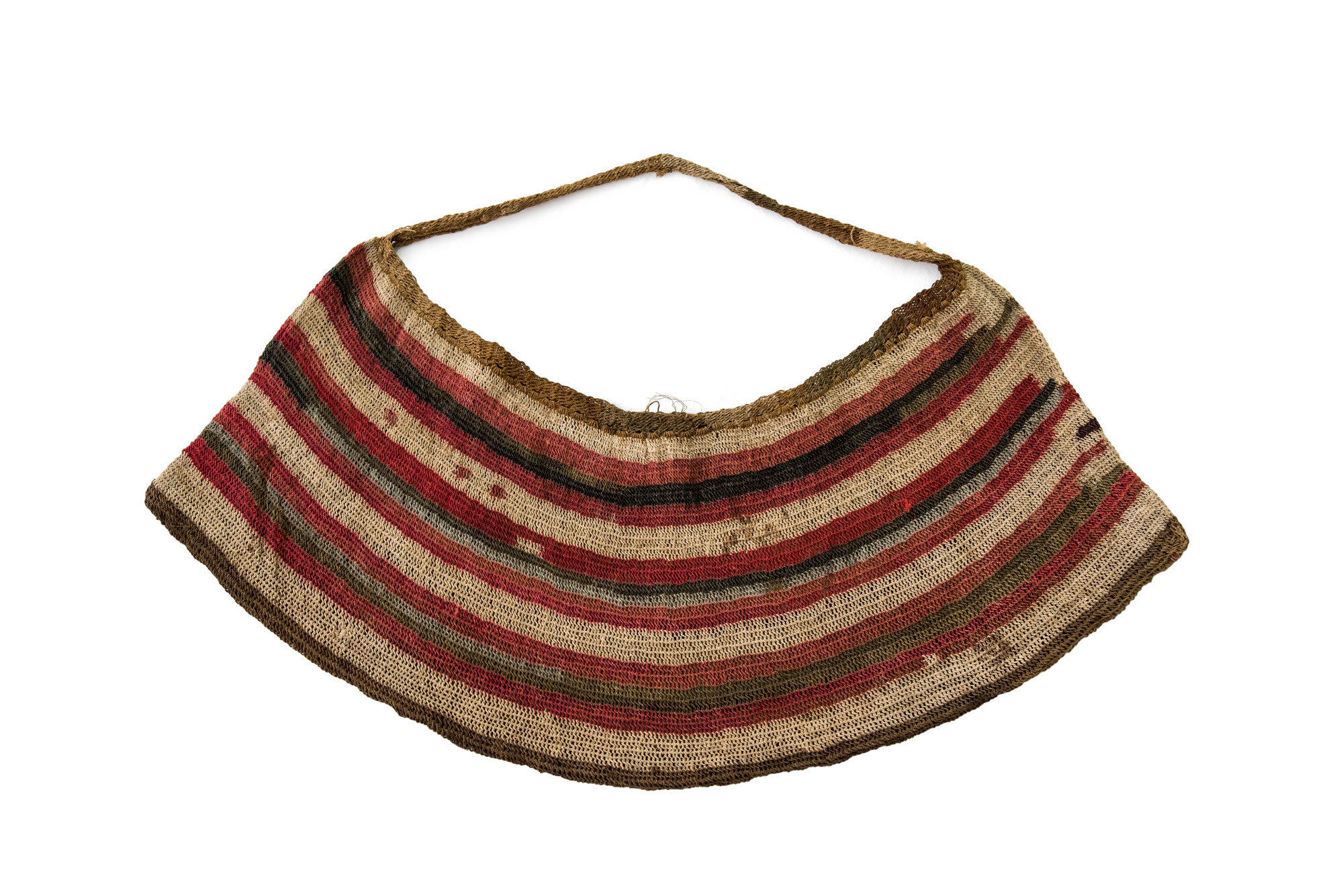
Noken bag. Maprik, Papua New Guinea, 20th c.
EMZ-Ex1390
It is used for carrying food, as well as young children. It is worn hung on the head. In 2012, noken was listed in the UNESCO Intangible Cultural Heritage Lists as a cultural heritage of Indonesia.
Tapa – tree bark cloth. Huon Bay, Papua New Guinea, 20th c.
EMZ-Ex1392
Basket. Buin, Bougainville Island, Papua New Guinea, 20th c.
EMZ-Ex1391
Amulet. Orokolo Bay, Papua New Guinea, 20th c.
EMZ-EX1420
Cigarette holder hana draku. Papua New Guinea, 20th c.
EMZ-Ex1399
Sago Storage Vessel. Aibom, East Sepik Province, Papua New Guinea, 20th c.
EMZ-Ex1416
Spoon. Gulf of Papua, Papua New Guinea, 20th c.
EMZ-Ex1393