
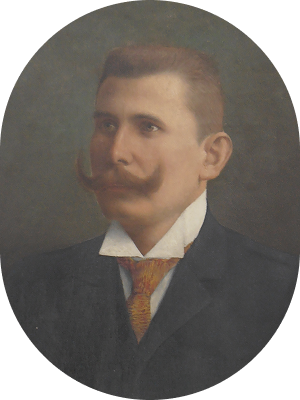

I gladly venture into the unknown depths of the vast African forests, helping to light the flame of civilization in this black night. And I hasten even more eagerly, as I live in hope that on this occasion too, I will gather a piece or two to complete our Croatian museum’s African collection.
From Lerman’s letters and diaries, it is evident that he embraced the idea of the “civilizing mission,” a concept used to justify colonial expansion.
European powers imposed their values on African societies, with the spread of Christianity playing a key role in this process. The notion of supposed racial superiority allowed colonization to be framed as a benevolent act. Integral to colonialism was the fashion of collecting objects from local populations. Besides missionaries and traders, colonial officials took numerous items from the indigenous peoples. This collecting was an extension of their work in studying and categorizing the Congolese population for better control over them. Many of these objects are now housed in various museums, especially in the Royal Museum for Central Africa in Belgium, which was founded by Leopold II as a propaganda tool for his colonial enterprise. Most of these items were taken in a context of violence and inequality.
As a colonial official, Lerman also amassed a collection of items, primarily weapons, along with utilitarian, religious, and ritual objects, jewelry, and musical instruments. He mostly collected based on aesthetic criteria, so the items are distinguished by their craftsmanship and the quality of materials used. Some of these objects symbolized the status and power of local leaders.
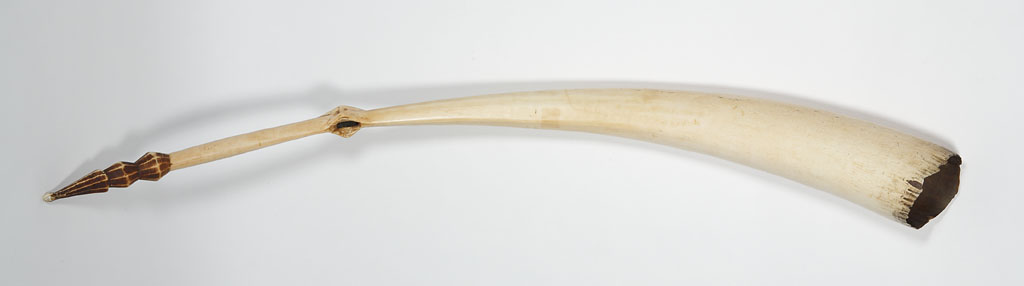
Musical instrument – tusk. DR Congo, 19th c.
EMZ-Ex217


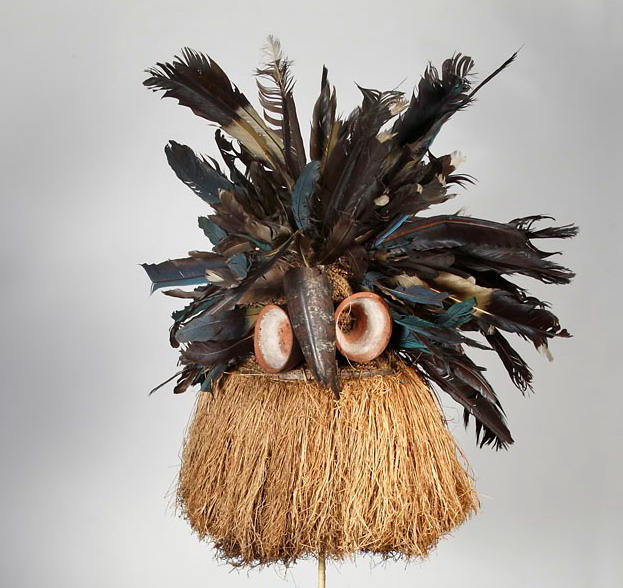
Mask. Kwango district, DR Congo, 19th c.
EMZ-Ex403
Used by the leader of a group of initiates in the mukanda ceremony while gathering food or visiting nearby villages.
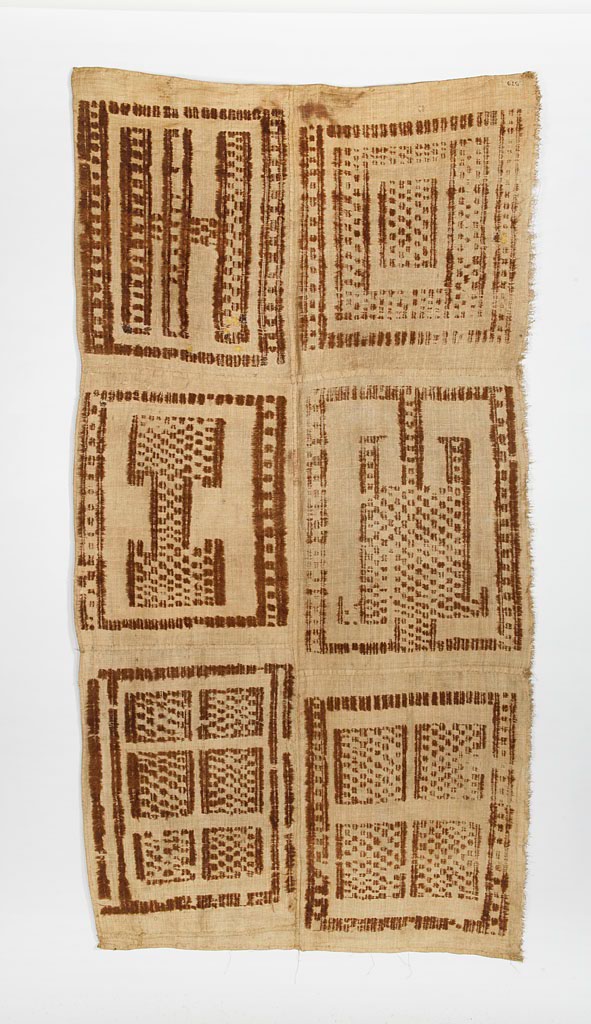
Mat. DR Congo, 19th c.
EMZ-Ex485
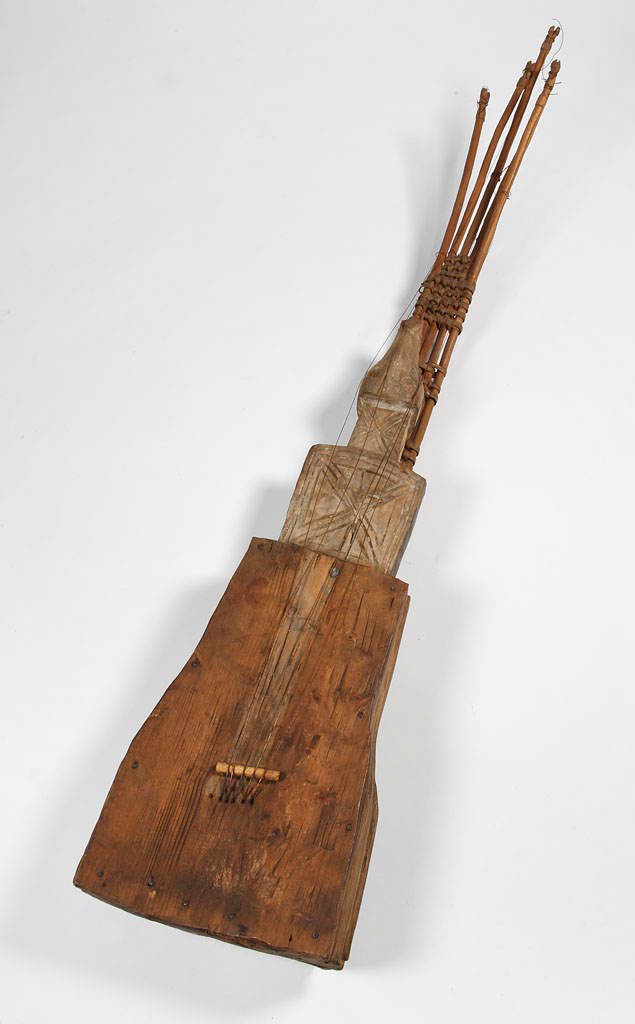
Chordophone instrument “nsambi”. DR Congo, 19th c.
EMZ-Ex241
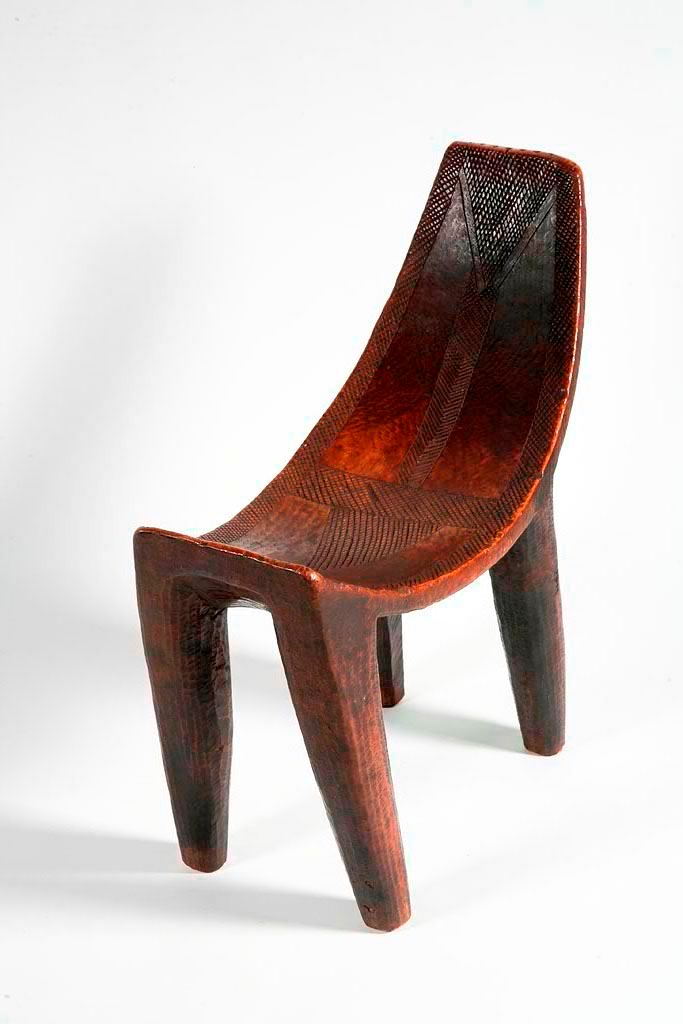
Chair – status symbol. DR Congo, 19th c.
EMZ-Ex245
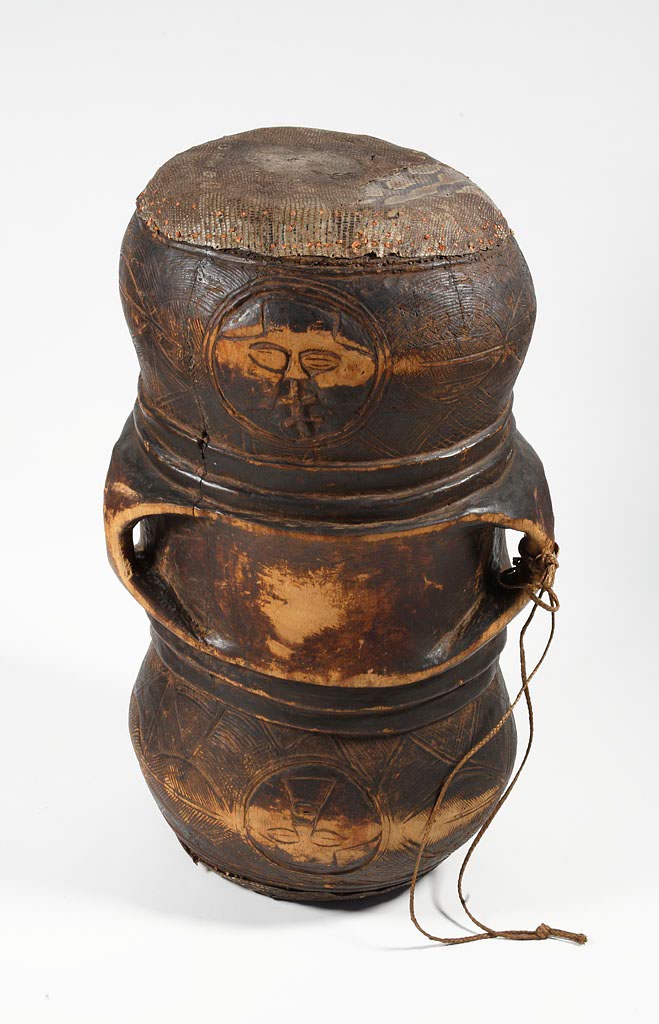
Drum. Kwango district, DR Congo, 19th c.
EMZ-Ex400
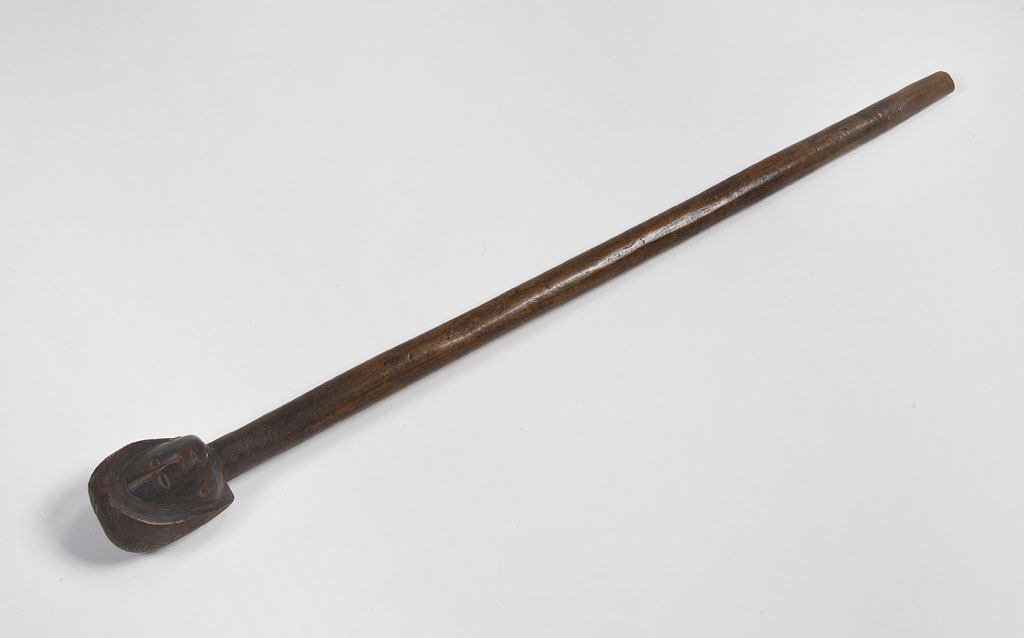
Ceremonial baton. North Angola, 19th c.
EMZ-Ex724
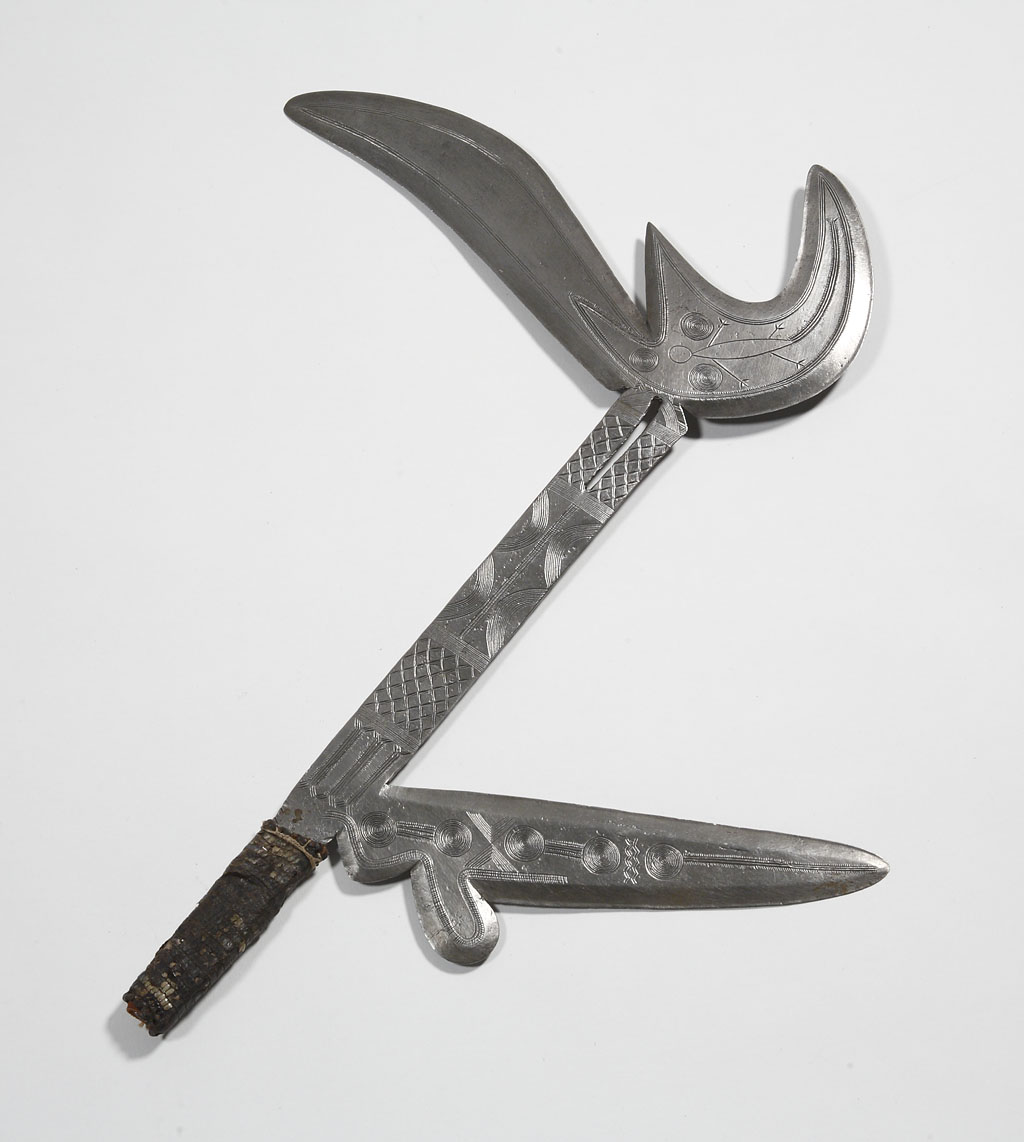
Throwing knife. DR Congo, 19th c. EMZ-Ex195
Throwing knives were initially used as weapons, eventually becoming currency. Those with quality craftsmanship and decorations were also used for trades and dowries.
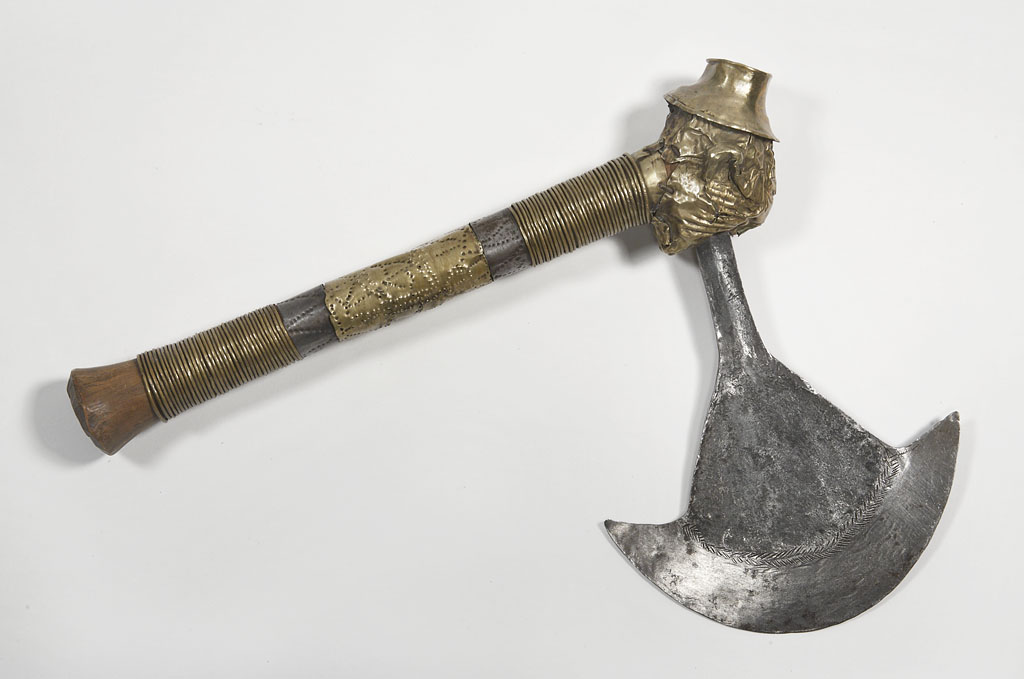
Ceremonial axe – symbol of political power. DR Congo, 19th c.
EMZ-Ex436
Ceremonial axes were not used as tools, but as symbols of power and royal symbols. They were made from valuable materials such as iron and copper. The axes were worn on the shoulder as a status symbol.
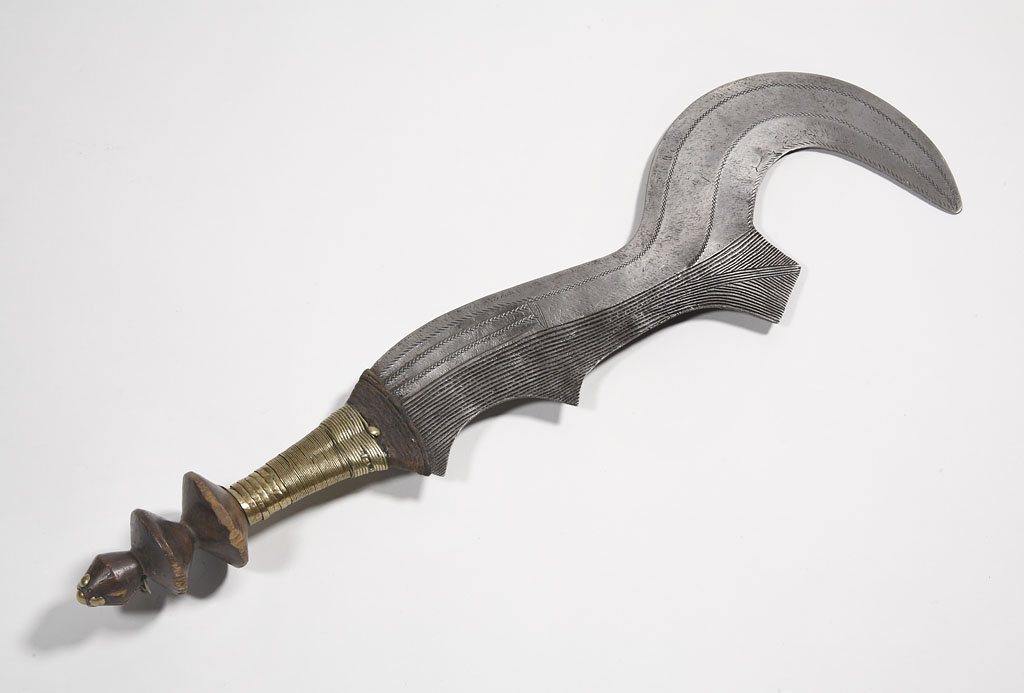
Execution knife „ngulu“. Northwest DR Congo, 19th c.
EMZ Ex187
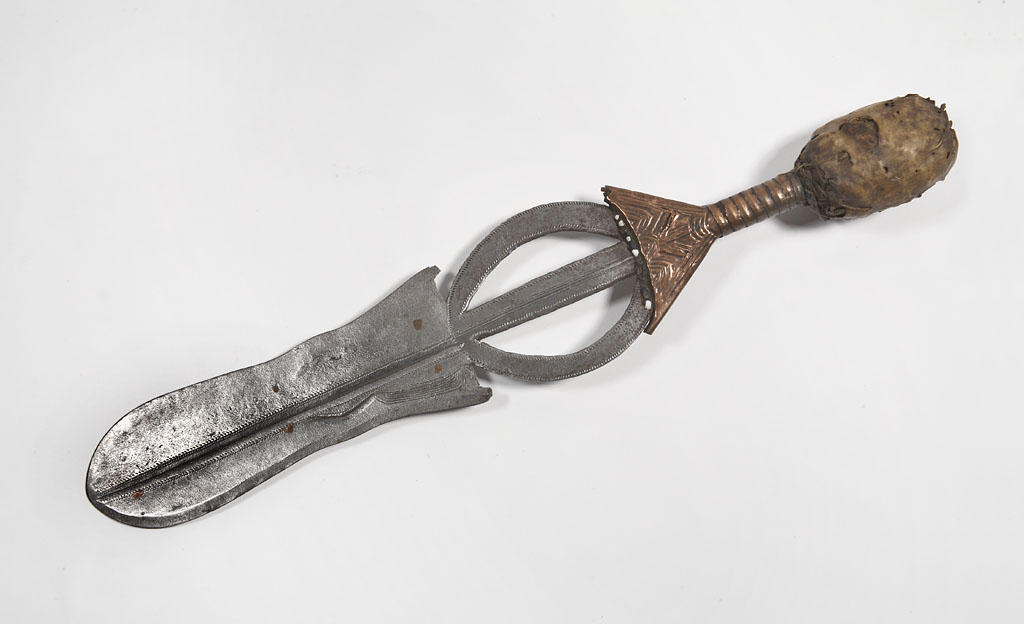
Knife with sheath. DR Congo, 19th c.
EMZ-Ex170
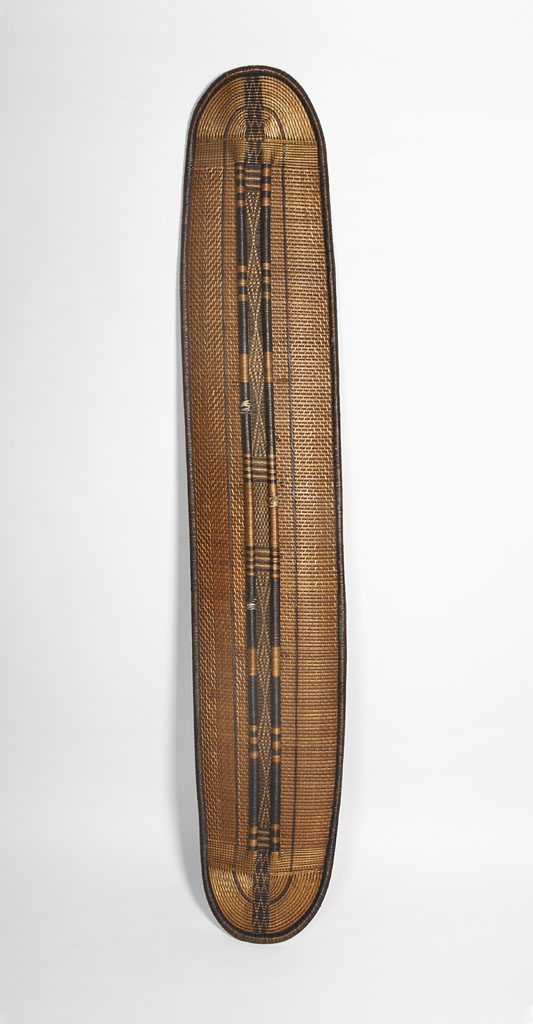
Shield. North DR Congo, 19th c.
EMZ-Ex233

Mask. Kwango district, DR Congo, 19th c.
EMZ-Ex406
The mask was a centerpiece in the initiation ritual mukanda practiced in southeast Congo, northwest Zambia and a large part of Angola. The ceremony was mostly abandoned during the 20th century. The mask represents supernatural beings that protected and taught boys during the initiation.
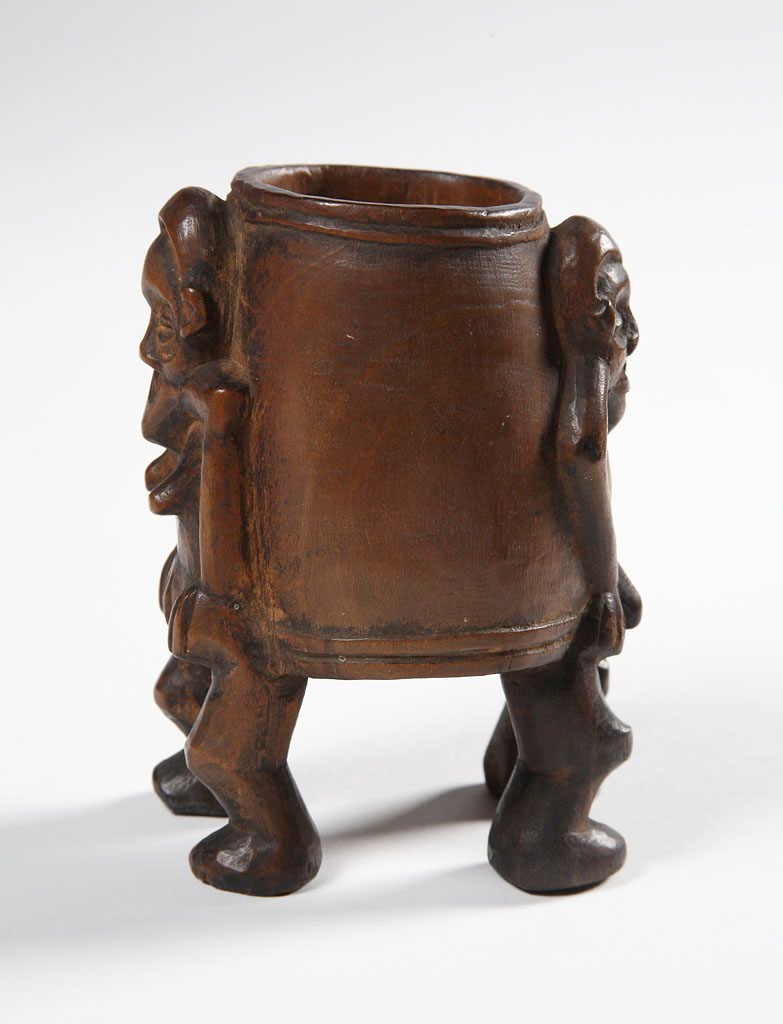
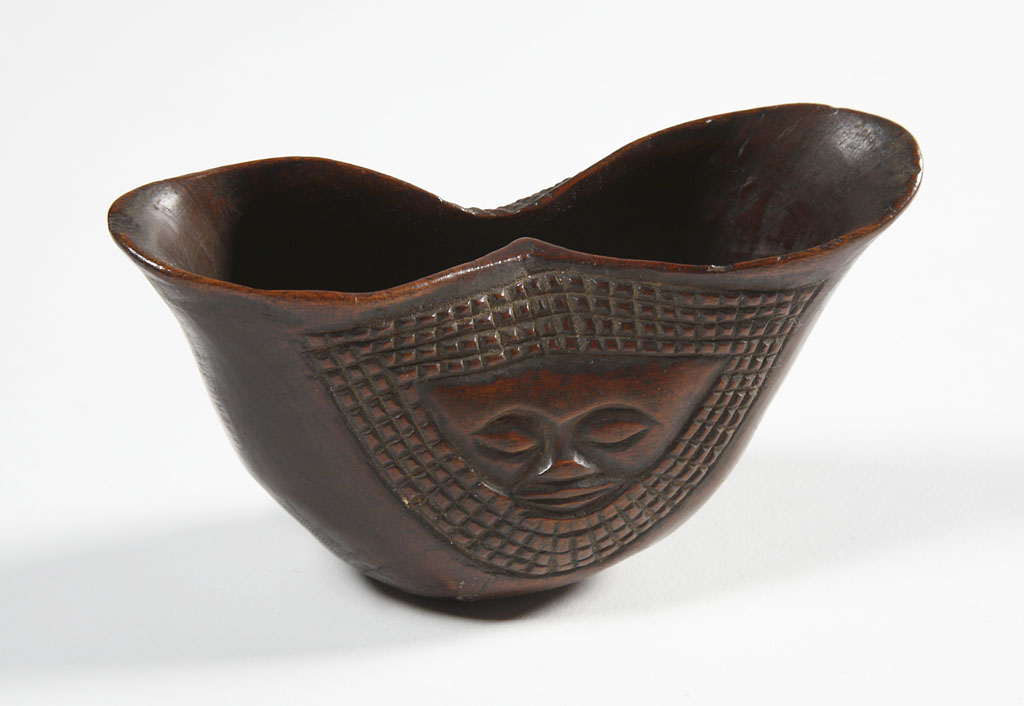
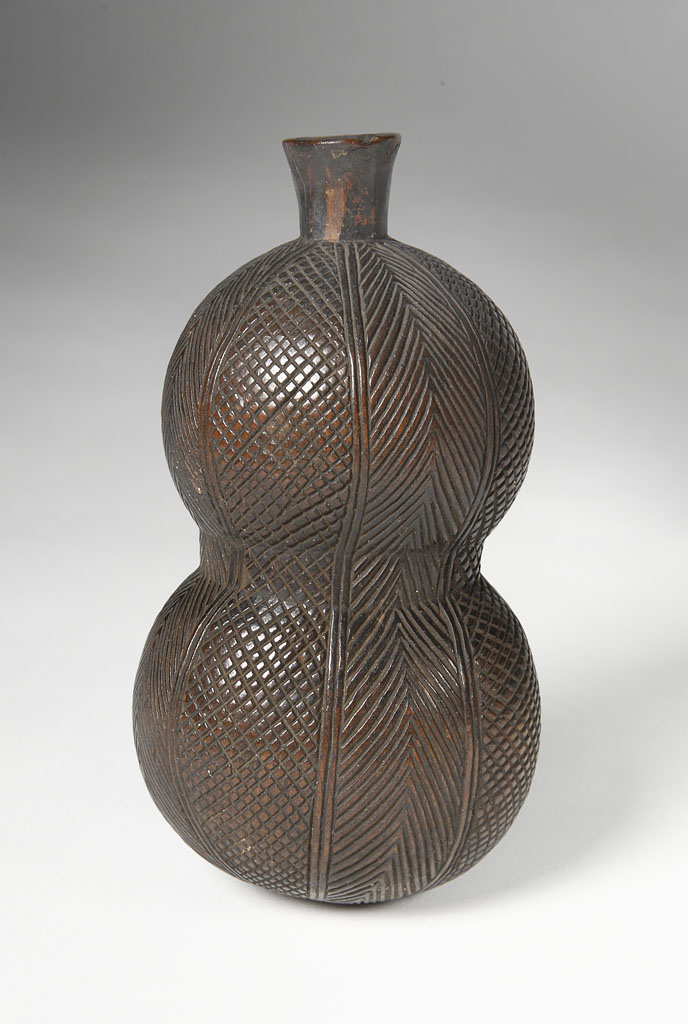
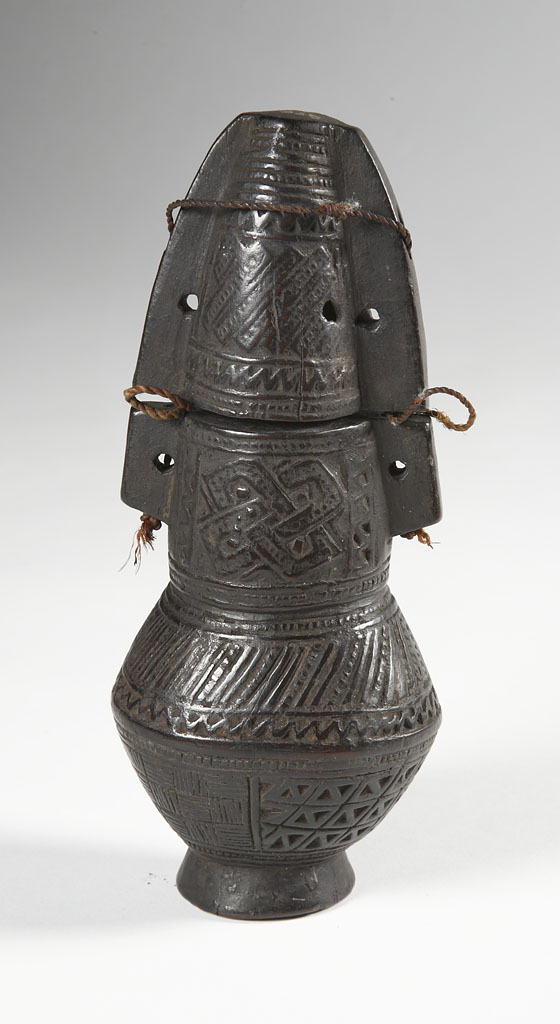
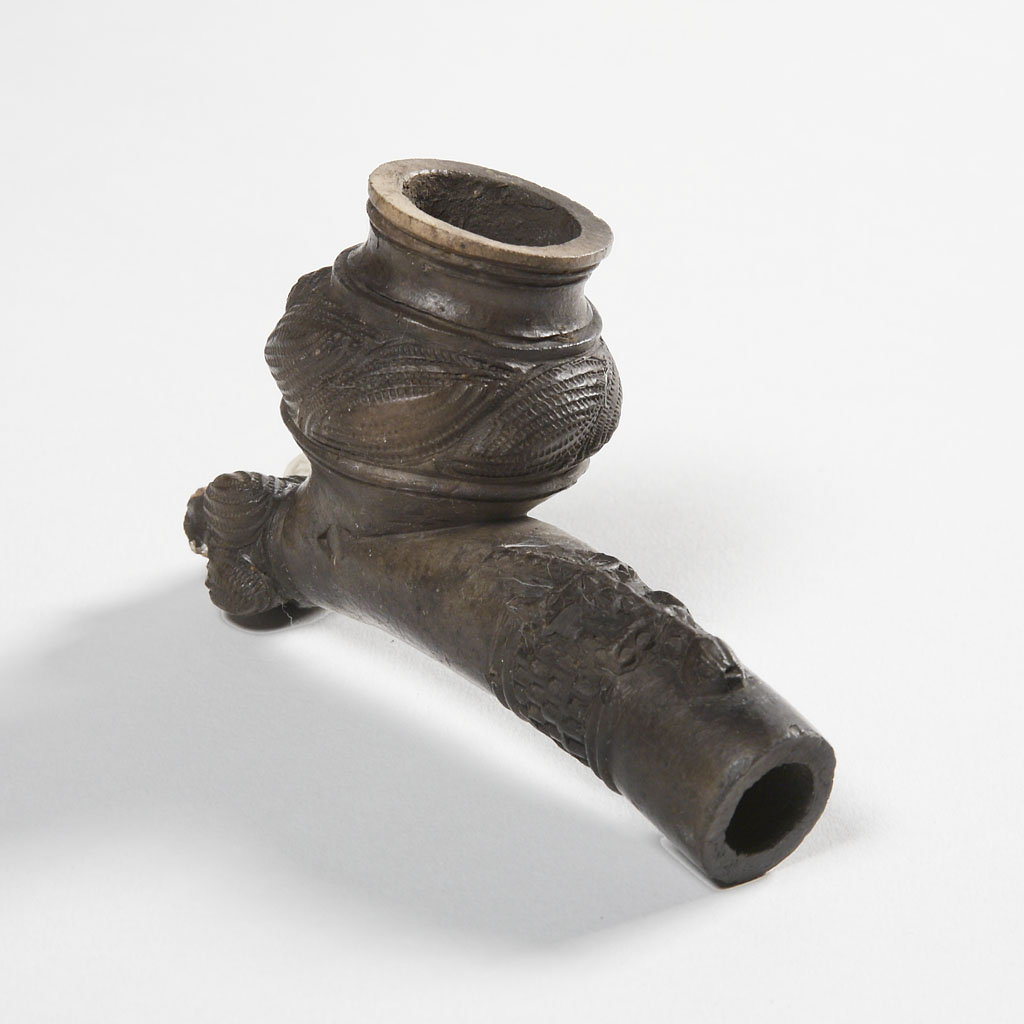
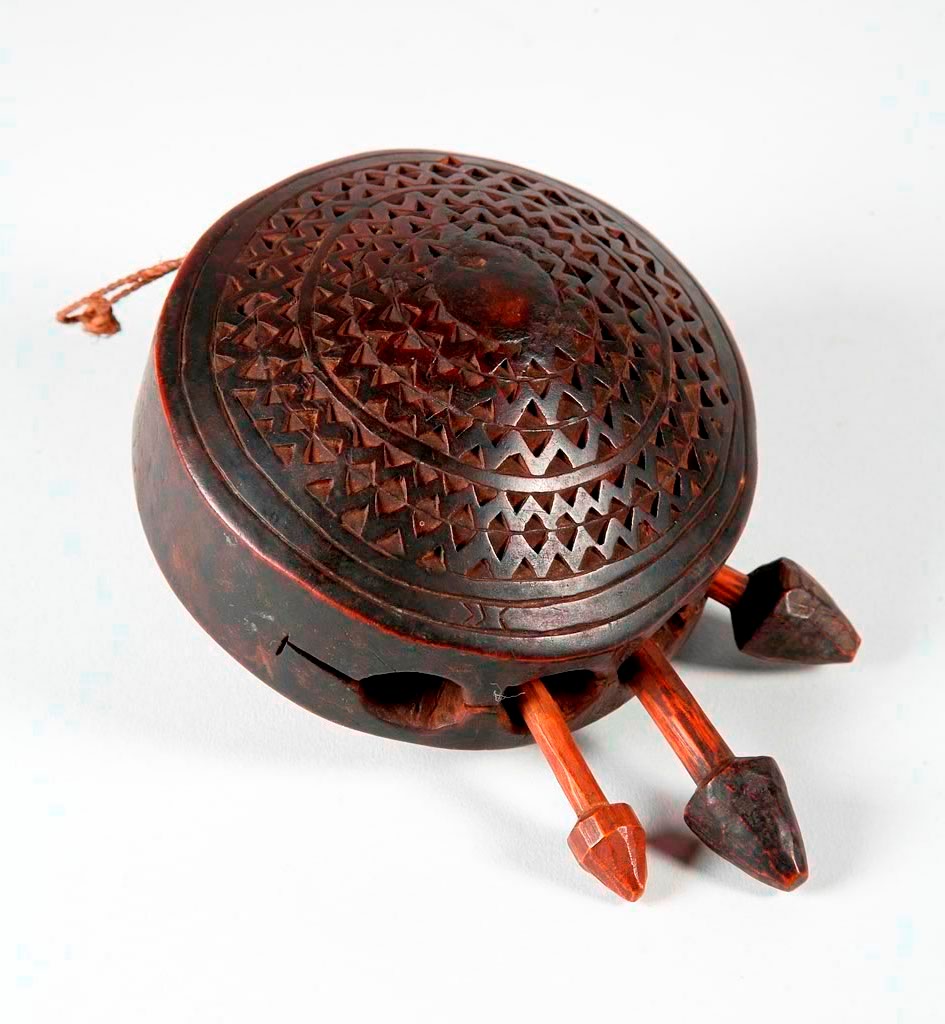
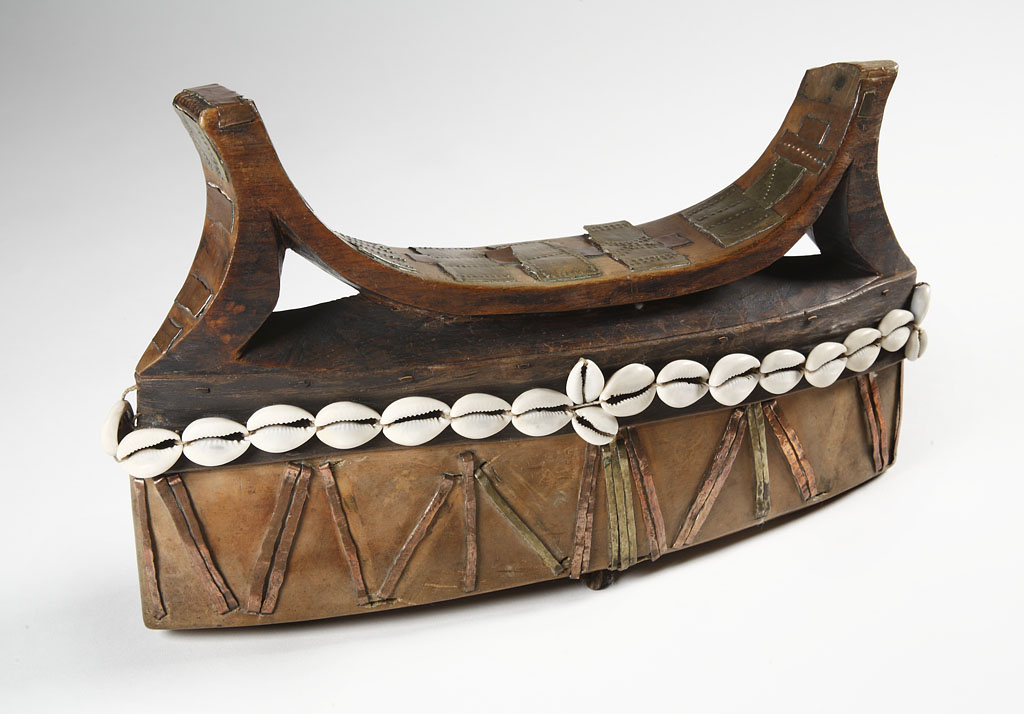
Cup for palm oil, cups, pipe, vessel, gunpowder vessel, bell, and headrest – box. DR Congo, 19th c.
(EMZ-Ex360, EMZ-Ex362, EMZ-Ex363, EMZ-Ex43, EMZ-Ex54, EMZ-Ex83, EMZ-Ex311)
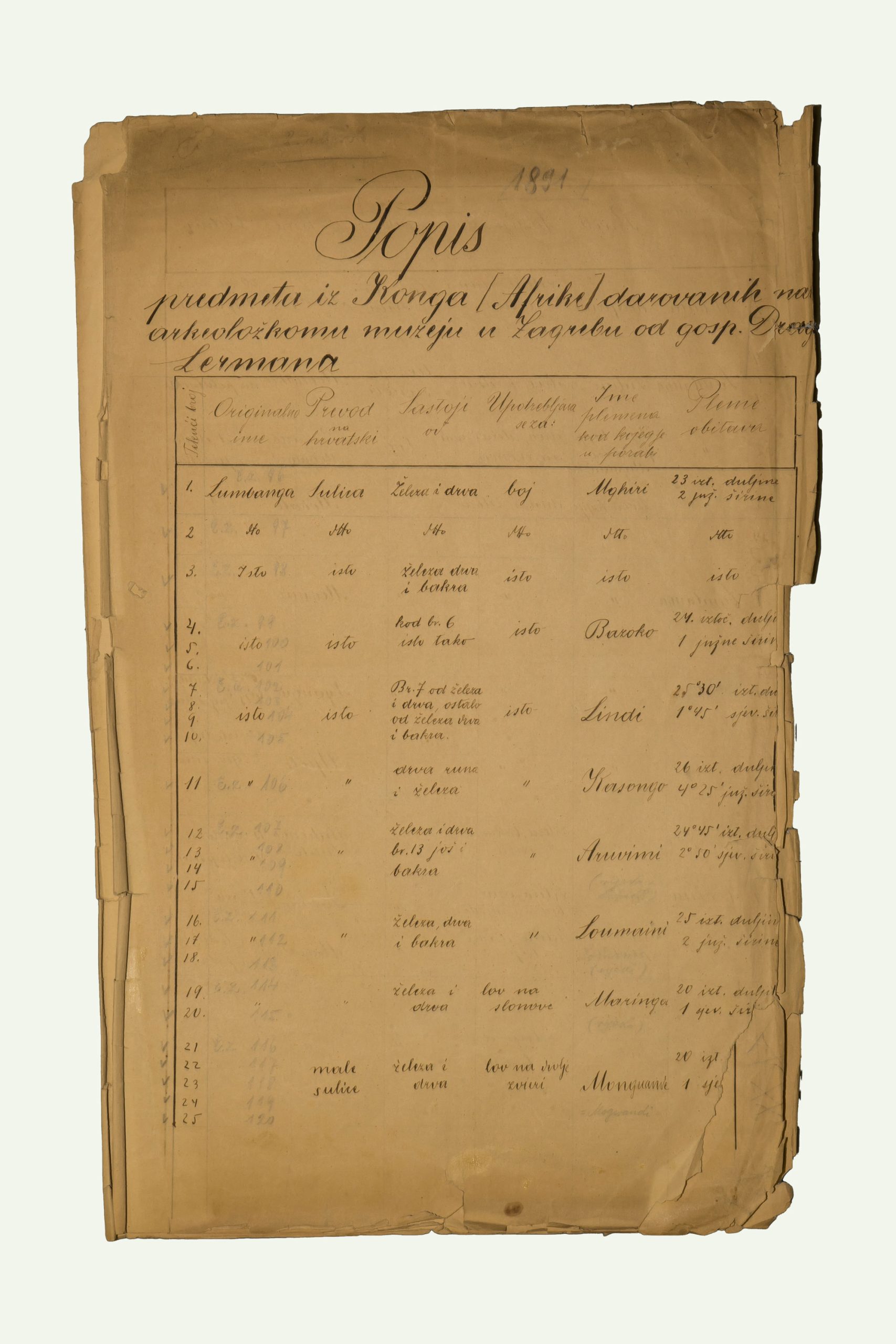
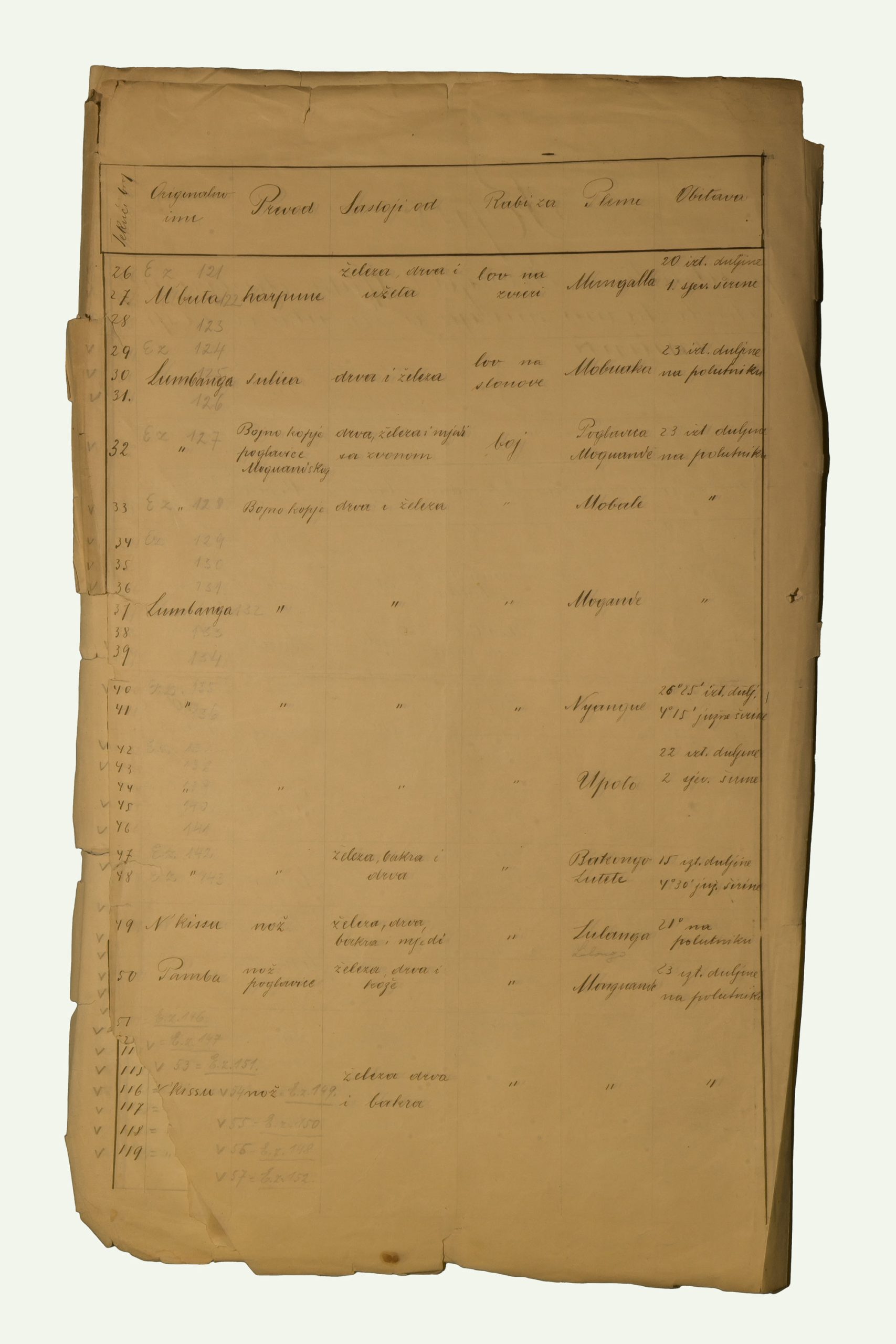
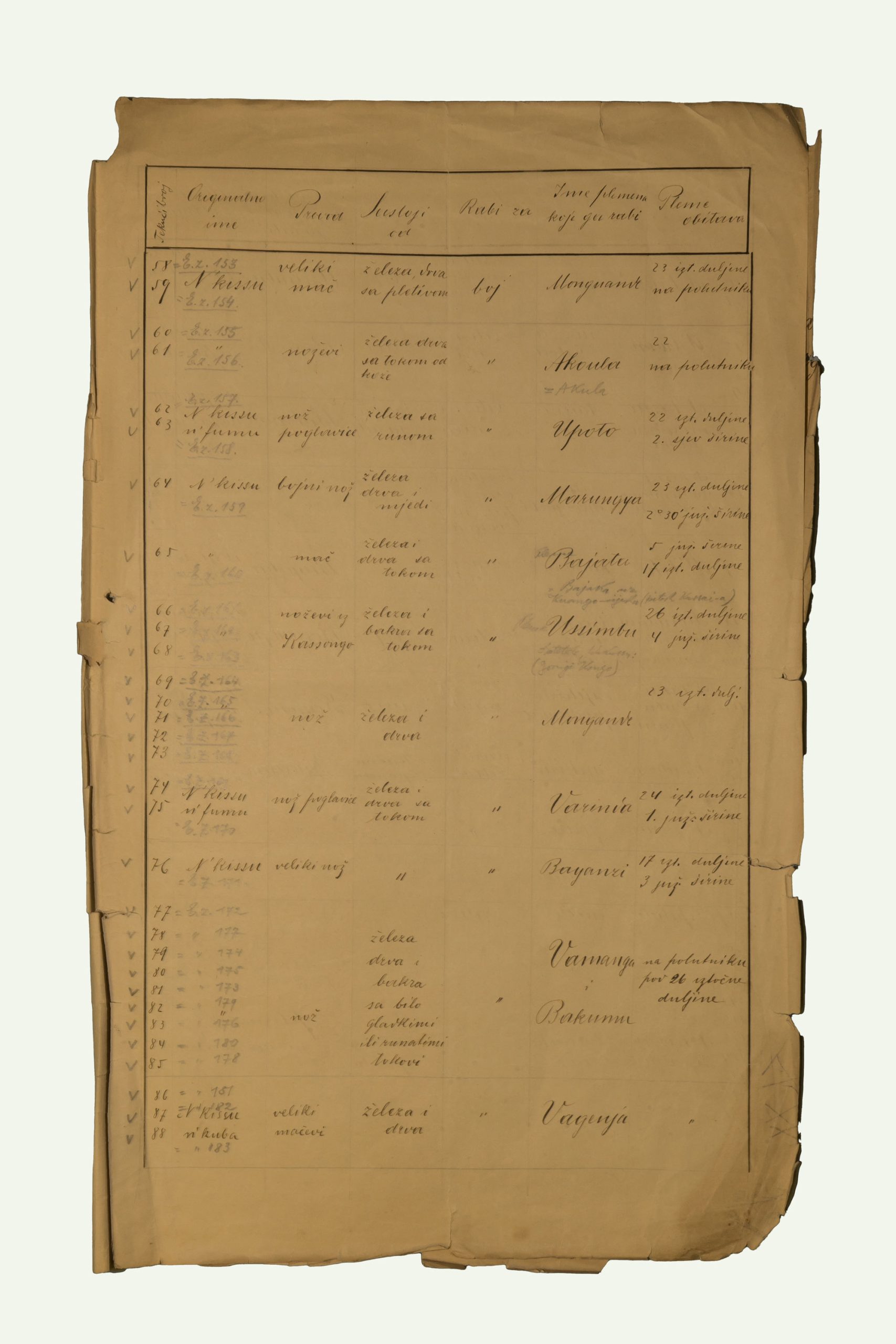
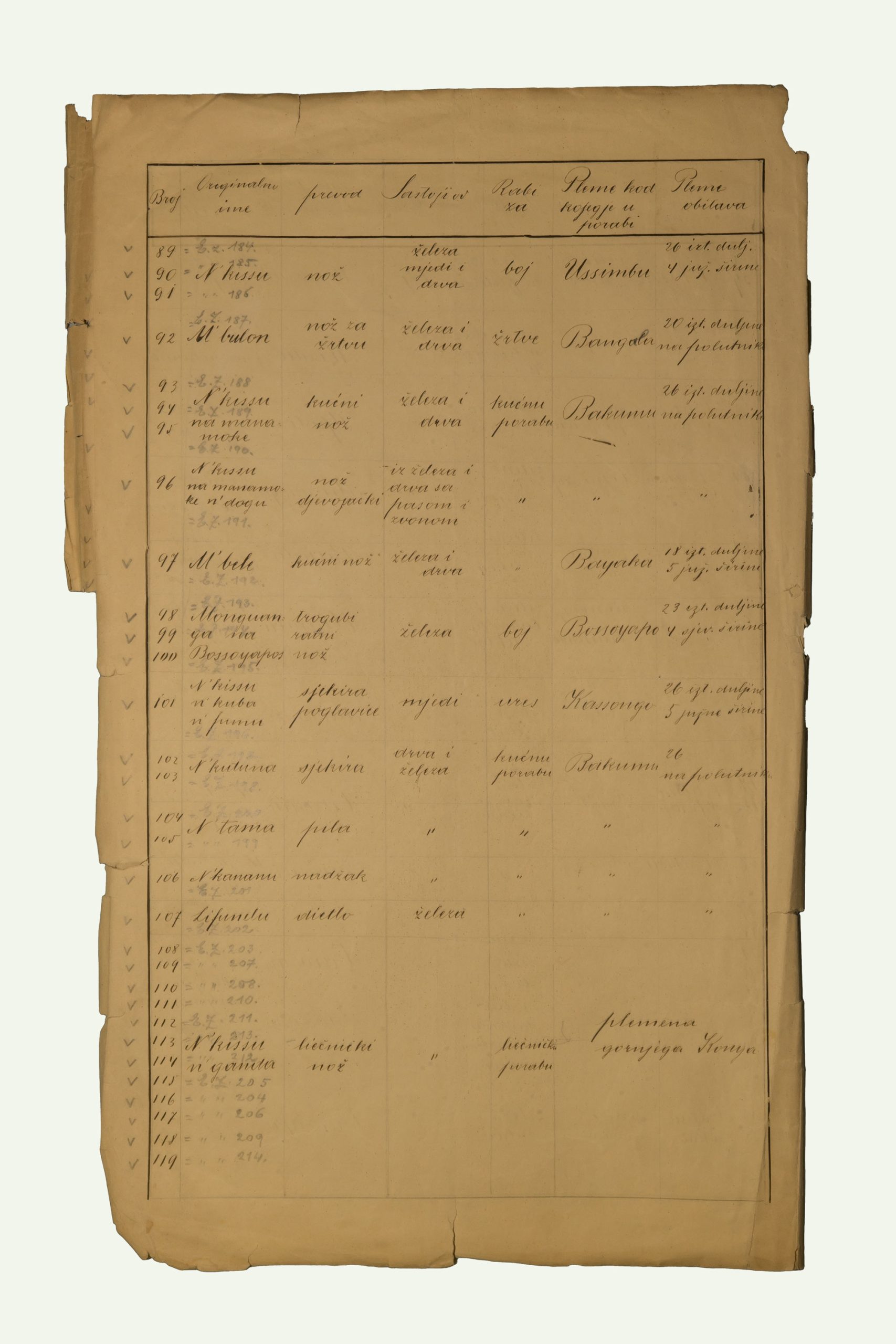
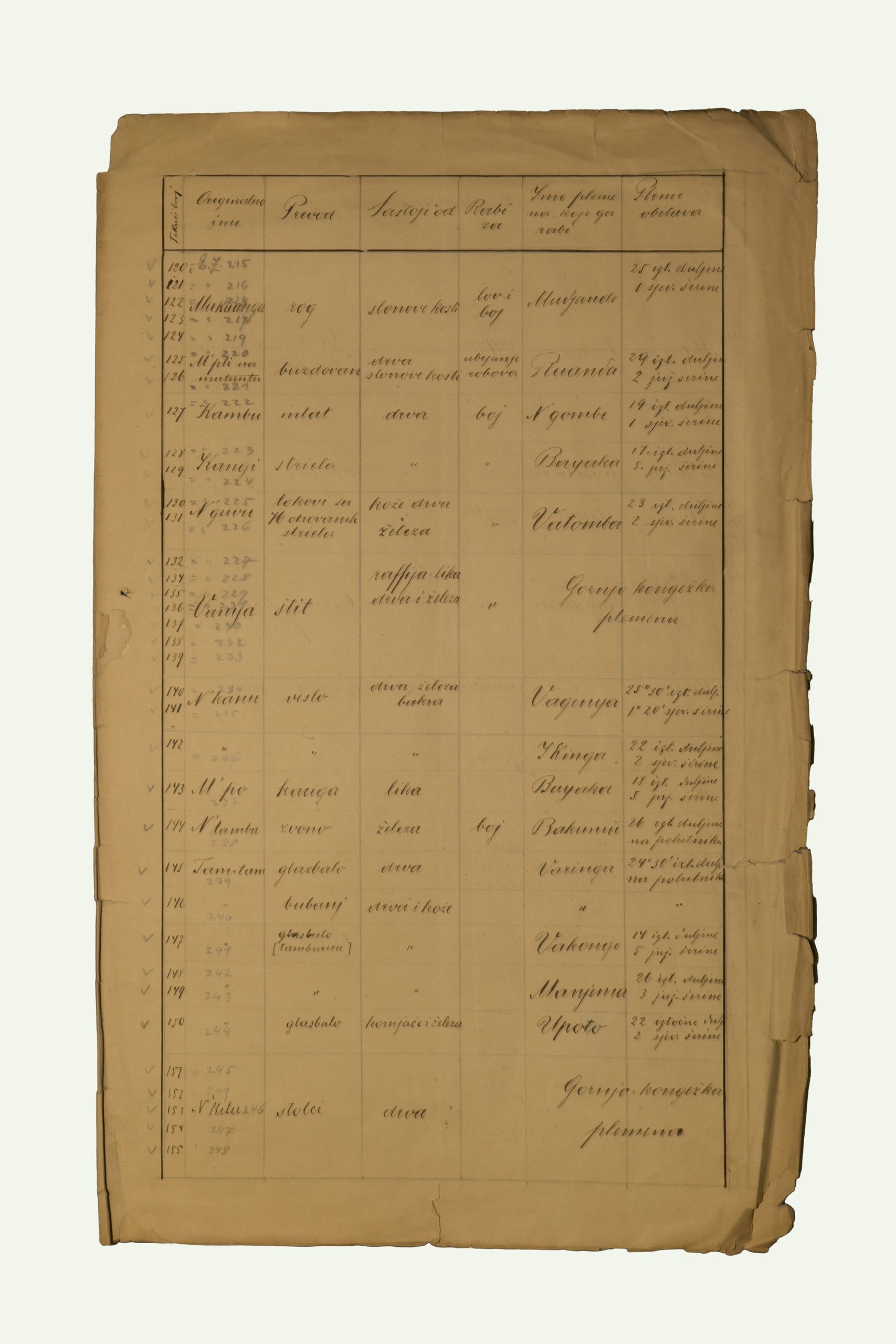
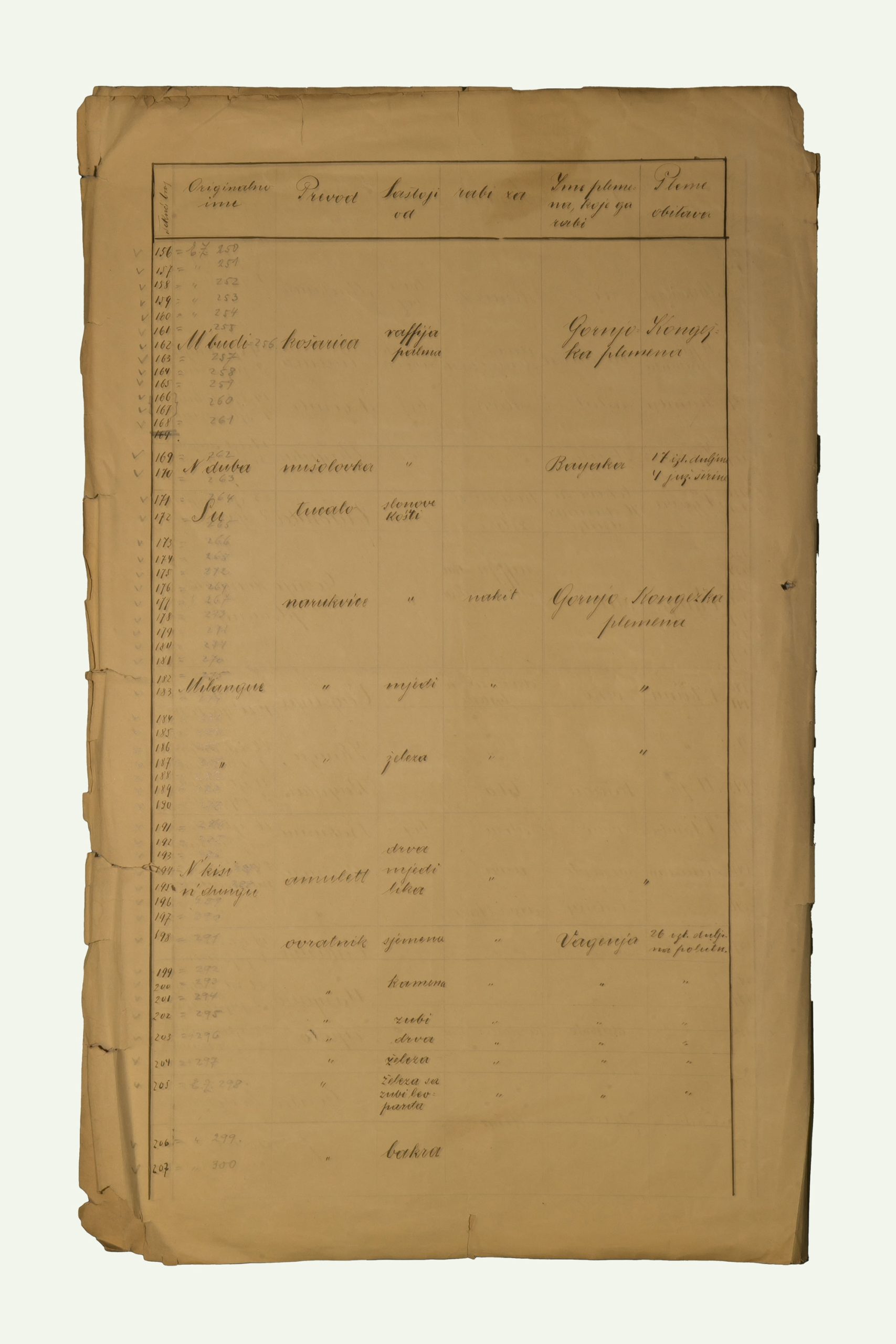
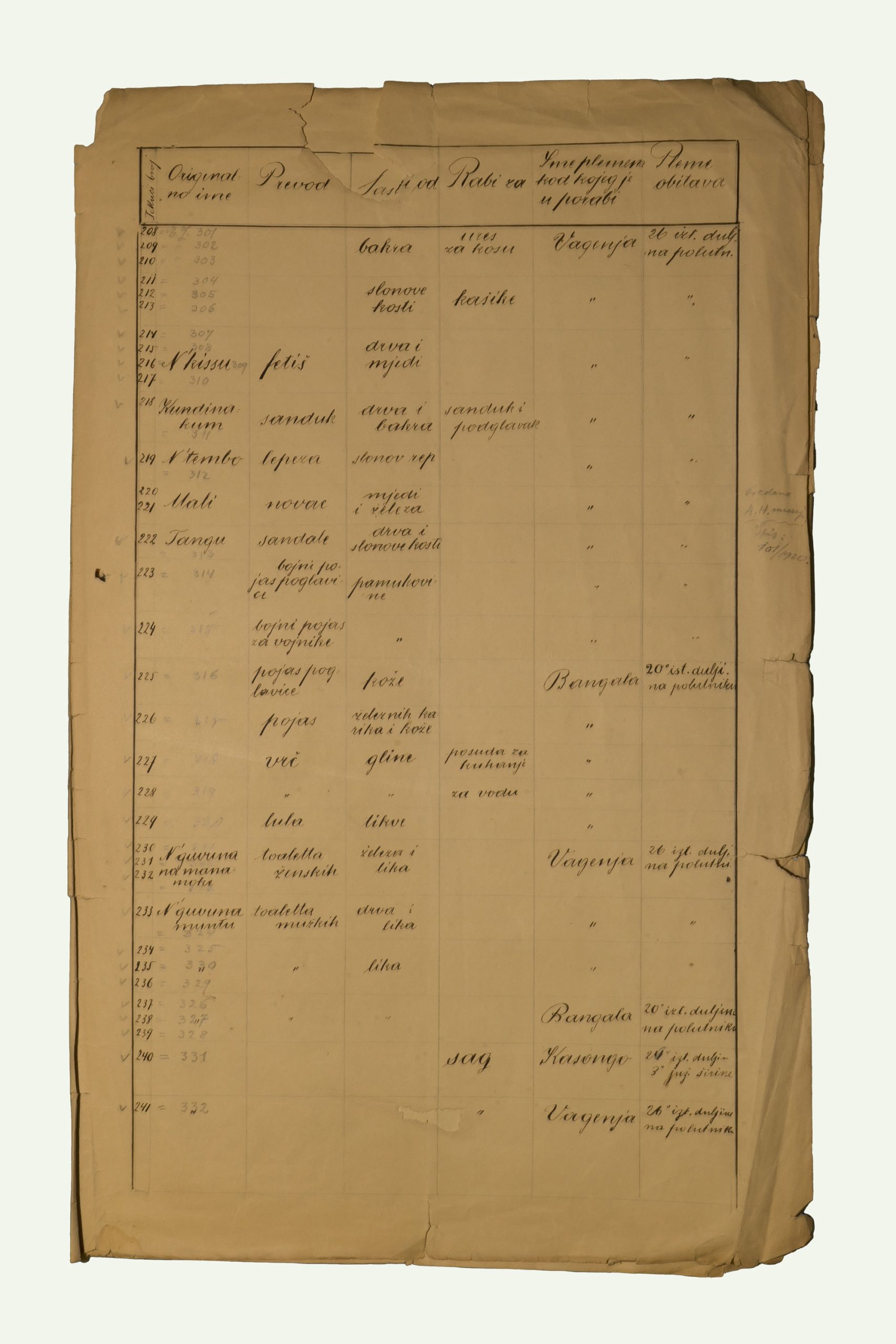
List of Items Donated by Dragutin Lerman
List of Items Donated by Dragutin Lerman from 1891 The items were attributed to different ethnic groups, and their locations were recorded using geographical coordinates. These details were transcribed into the museum’s catalog, and later, some items were further identified by ethnologist Aleksandar Lopašić through comparisons with data from the Belgian museum. In recent years, the Ethnographic Museum has been working on digitizing and making these materials accessible, as well as offering a contemporary interpretation of the objects. Future plans include researching the provenance of these items and incorporating the perspectives of the original communities, in line with the museum’s capacities.