

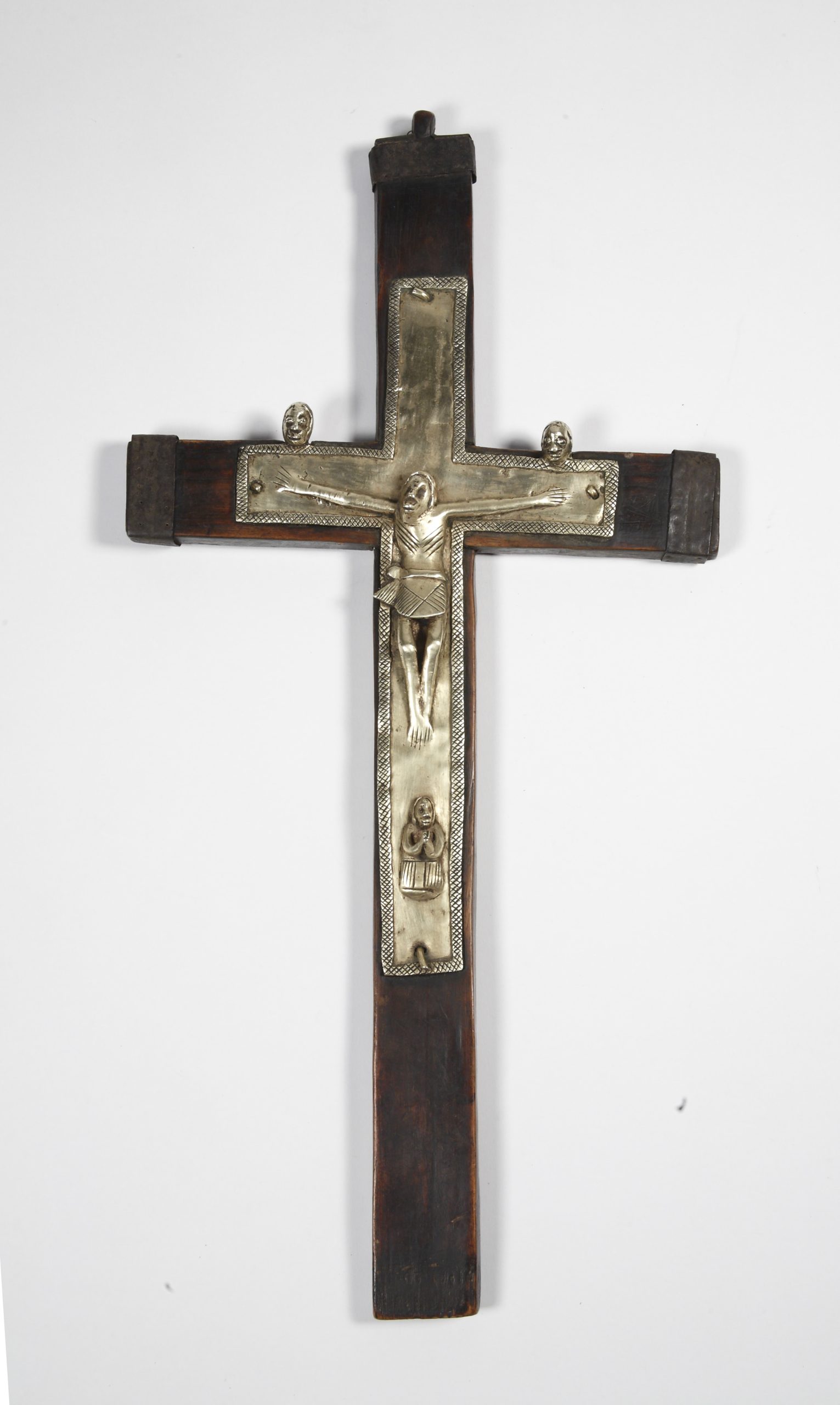
Crucifix (Nkangi Kiditu). DR Congo, 19th c.
EMZ-EX333
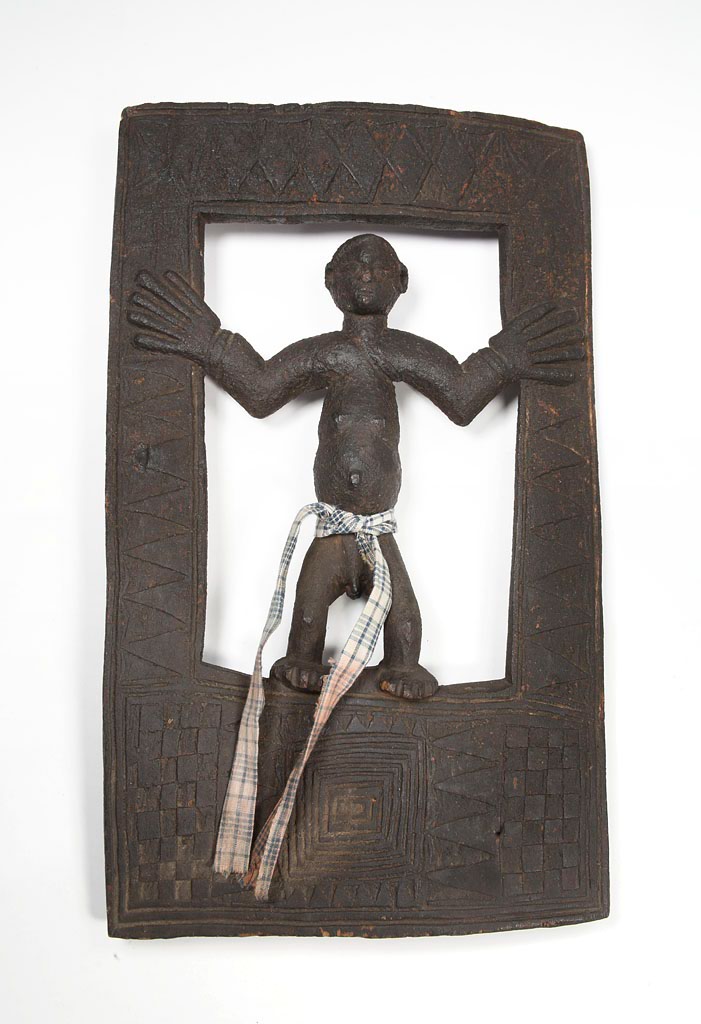
Sculpture „Nzambi“. Kwango, DR Congo, 19th c.
EMZ-EX334
Shortly after their first encounters with the Portuguese in the late 15th century, the Congolese royal elite converted to Christianity. In dialogue with European missionaries, believers from Congo developed their own version of Christianity, which became the official religion. Congolese artists blended Christian and Congolese iconography, visible in exhibited artifacts. Crosses used in Christian liturgy simultaneously served as tools for healing, protection, and symbols of social and political authority, functioning similarly to ritual objects from older Congolese religious practices.


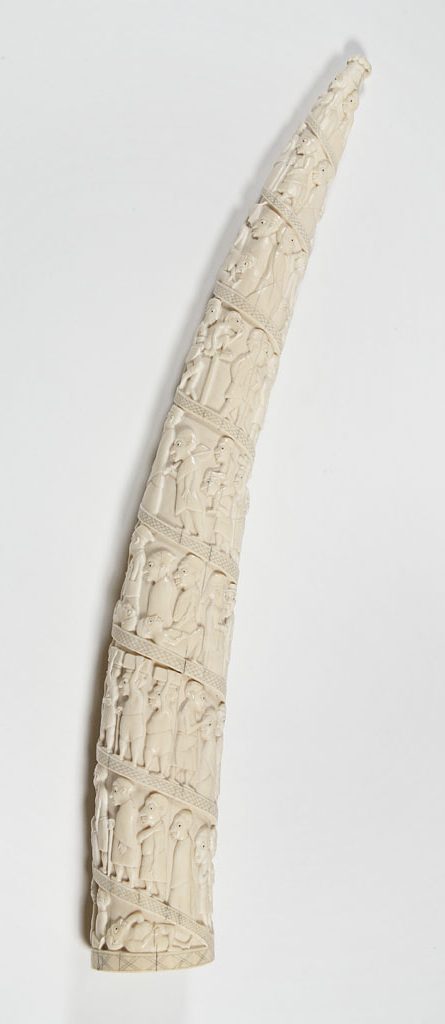
Sculpture. Congo, Atlantic coast, 19th c.
EMZ-EX92
Among the objects produced by artists from the Lower Congo region for European and African buyers in the late 19th and early 20th centuries, the most famous were carved ivory tusks. While the carvings might appear to depict everyday life, they often illustrated the brutal consequences of European colonization. Scenes included caravans of ivory porters, chained people marching under the watch of armed men, or individuals being beaten with rifle butts. Through these illustrations of violence, artists protested against the horrors of colonialism by documenting scenes that circulated both locally and globally in the form of decorative objects.
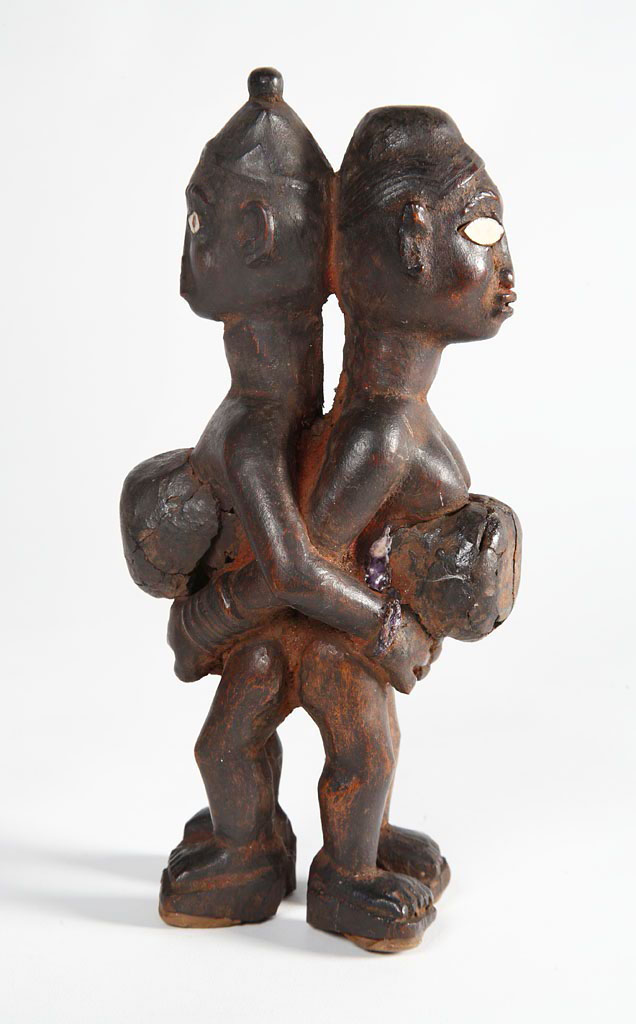
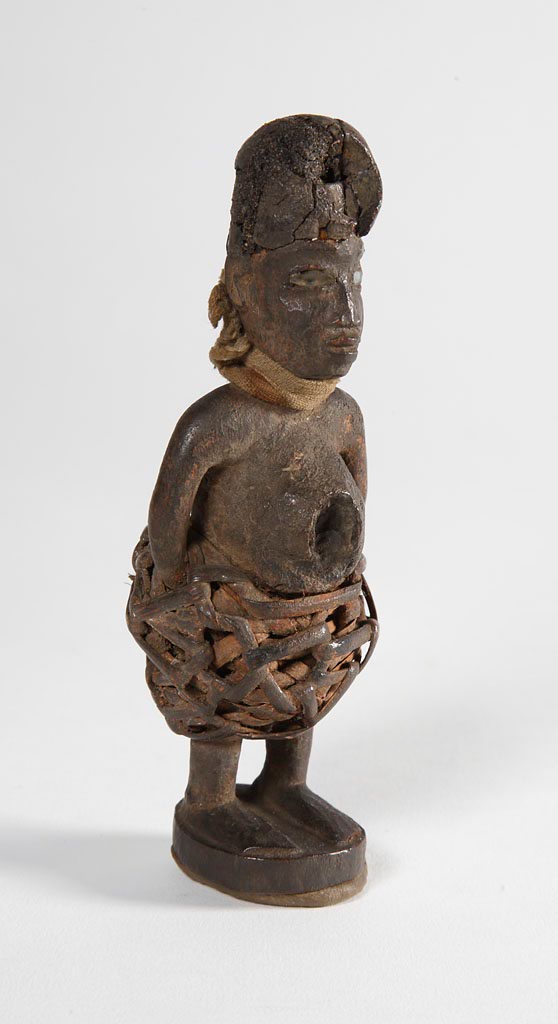
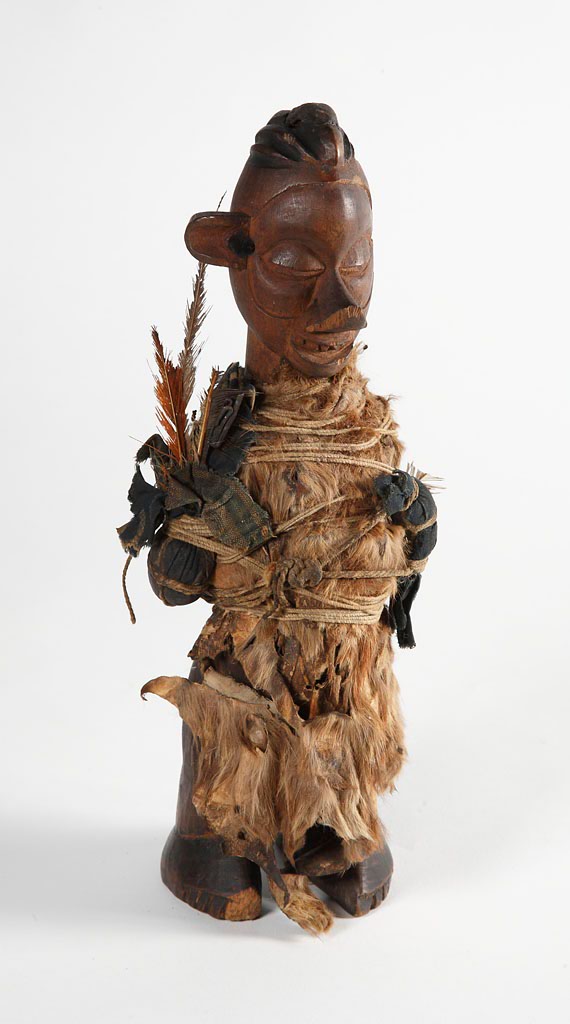
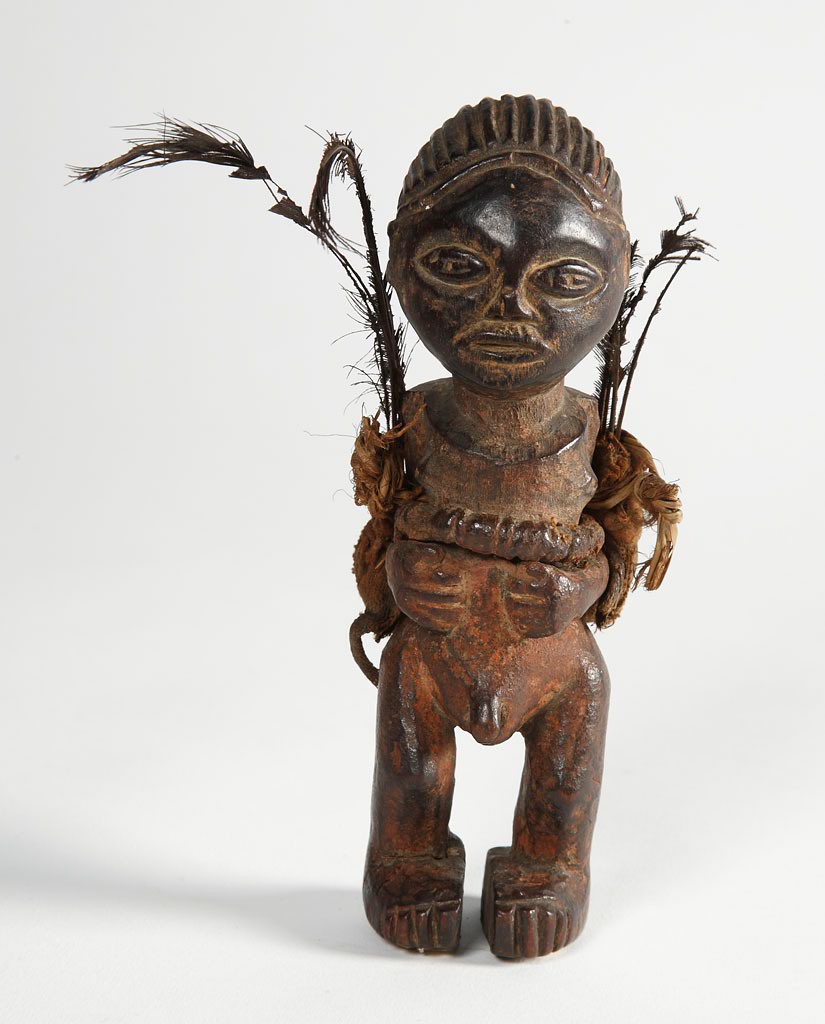
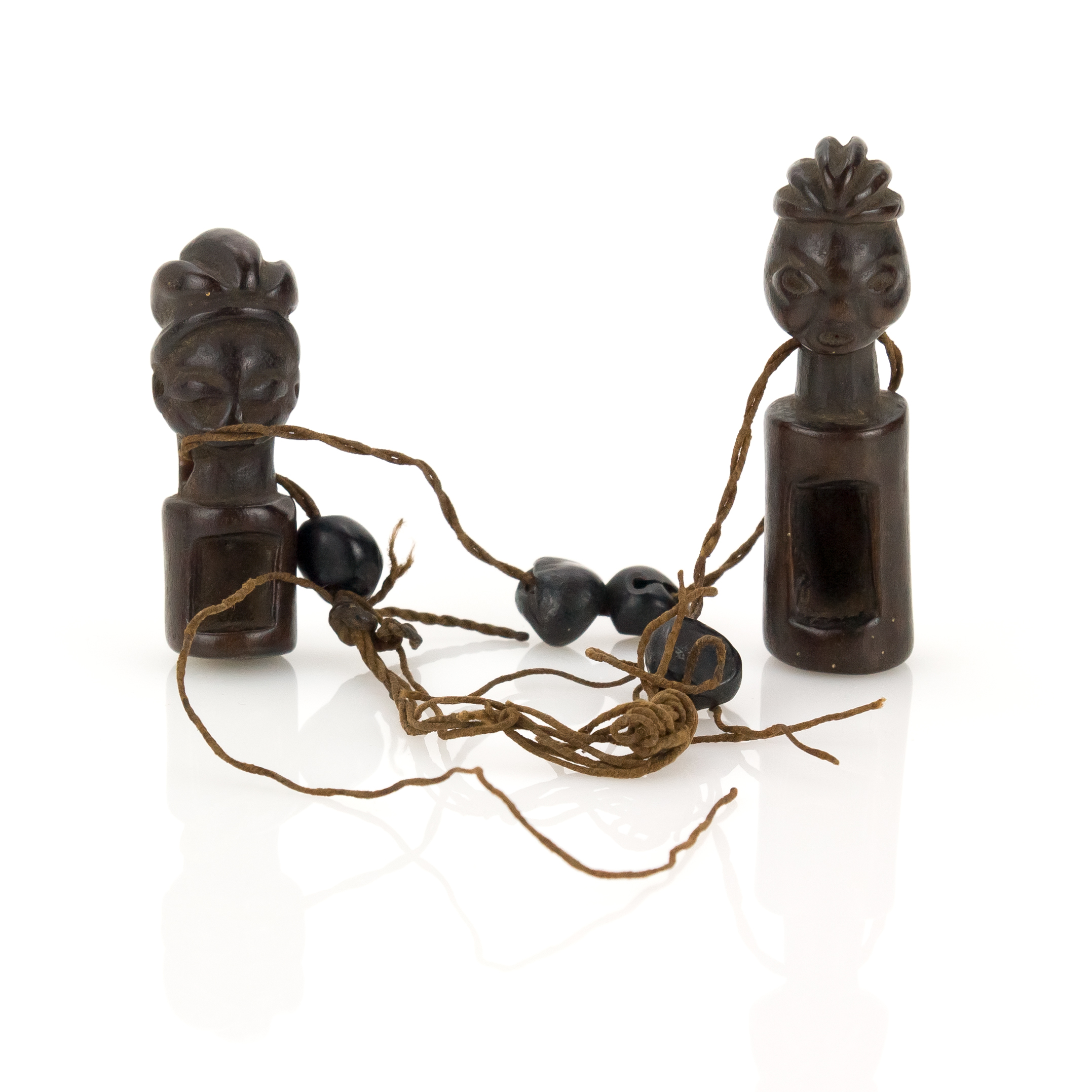

Power figures (minkisi). DR Congo, 19th c.
EMZ-EX72, EMZ-EX73, EMZ-EX337, EMZ-EX338, EMZ-EX420, EMZ-EX493.
The nkisi figure (plural minkisi) represents a vessel for inserting substances through which the healer and mediator, nganga, would act as an intermediary between the world of the living and the dead during rituals. Minkisi were used for various purposes, such as healing, protection from illness and death, resolving legal matters, and more. They were named according to the function they served. During the Atlantic slave trade period, these beliefs spread from the Congo to the U.S., Brazil, Cuba, and Haiti.
In encounters between Europeans and the religious systems of West African societies, Catholic (and later Protestant) traders and missionaries viewed religious items, including minkisi, as “fetishes.” The term “fetish” is of Portuguese origin, initially meaning amulet, and later referring to the religious ideas and practices of societies
Europeans deemed less developed.
European colonial officials feared the power of minkisi and confiscated them from the Congolese to establish control over them. In resistance to colonial rule, the Congolese often tried to remove the powers from the figures before they could fall into the hands of colonial authorities. On the other hand, collectors frequently removed embedded components to highlight the figure’s form, which is why many minkisi in museums lack the powerful substances.