

Congo was rich in copper reserves, and European industrialists saw an opportunity to obtain a key raw material for manufacturing shells used in wars waged by their governments worldwide. Forests were cut down for rubber, and elephants were killed for ivory, which was used to produce combs, piano keys, billiard balls, and other everyday items needed by the growing European and American middle class of that time.
Global capitalism has always “loved” Congo, and it still has not loosened its grip on the country. Today, Congo continues to lose its natural reserves of cobalt, a critical material used in batteries for smartphones, computers, and electric vehicles.
From traders, foreign industrialists, and corporations to corrupt local politicians, many have enriched themselves from Congo’s natural resources, but its people, who mostly live in poverty, have not benefited from this wealth.
Atlantic slave trade
When the Portuguese arrived at the mouth of the Congo River, Congolese and European rulers established an equal relationship. However, this balance shifted as Central Africa became a hub for the Atlantic slave trade. Portuguese and Dutch traders made deals with the Congolese elite, which led to the enrichment of the upper class in the short-term, but ultimately destabilized the entire region in the long run.
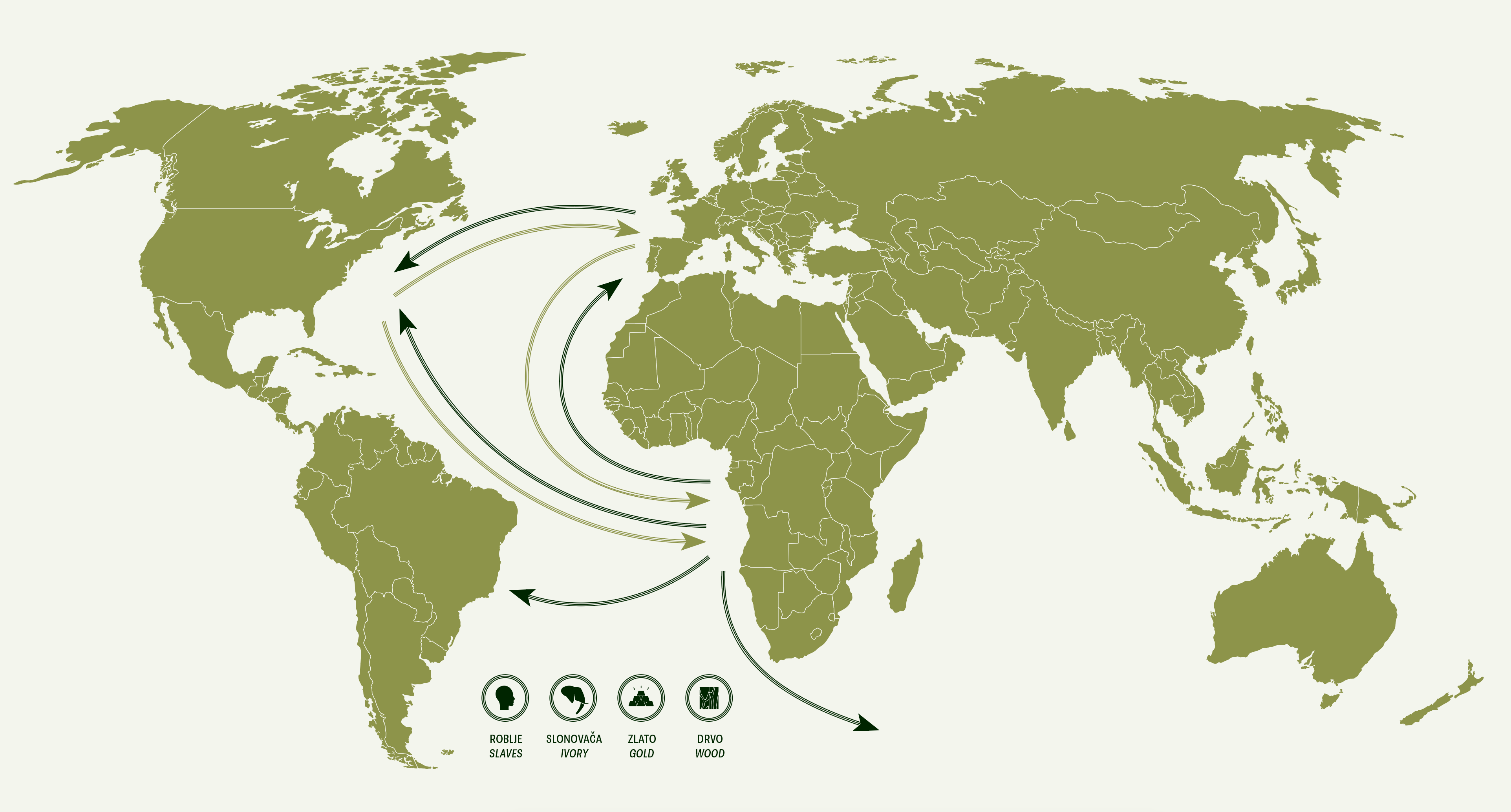
The Atlantic slave trade occurred from the 16th to the mid-19th century. It was one aspect of the profitable trade network between Europe, Africa, and the Americas. European goods were exchanged along African coasts for ivory, gold, wood, and, primarily, slaves. These enslaved individuals were transported by ship to the Americas, where raw materials produced by their forced labor on plantations were shipped to Europe.


Did you know?
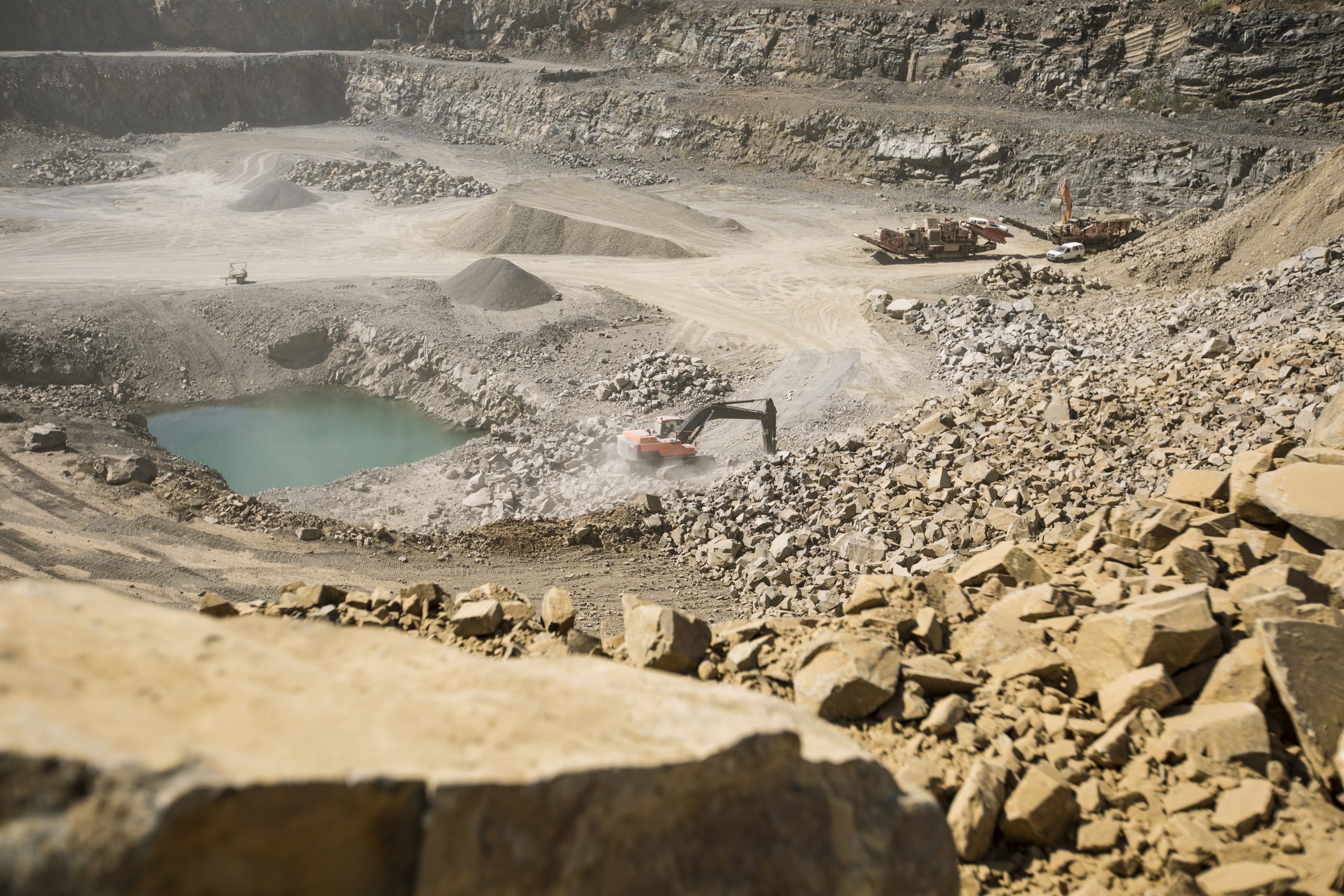
Did you know that uranium for the first atomic bomb came from Congolese mines?
In 1940, Edgar Sengier, director of the mining association in Katanga Province, transported more than a thousand tons of uranium ore to New York to prevent it from falling into German hands. Two years later, it was sold to the U.S., along with additional uranium from Congo’s Shinkolobwe mine. This uranium was used for the atomic bombs dropped on Hiroshima and Nagasaki.