

Indigo
It is often said that red is the color of revolution, but judging by the history of indigo, it seems that blue should hold that title. Indigo is considered one of the oldest dyes, and over time, numerous meanings and legends have accumulated around it, likely stemming from its chemical mystery.
When a fabric is dipped in indigo dye, it initially appears yellowish, only turning blue when exposed to air during drying. The first chemical synthesis of indigo in Germany in 1897 ended this magic that had endured for centuries. Blue dye was mostly derived from the leaves of plants containing the organic compound indican. Such plants can be found worldwide, but the most famous is the Indian Indigofera tinctoria, the plant that became the main source of blue dye in intercontinental trade.
Europe encountered indigo as early as antiquity, and the connection to India is evident in the name for the dye, which comes from the Greek word indikon. However, indigo long remained a luxury item. During this time, Europe cultivated woad (Isatis tinctoria), which was excellent for dyeing local woolen fabric. After the discovery of the sea route to India, a new era of trade in this dye began. Woad growers could not compete with indigo, which produced ten times more dye and had much better absorption with plant-based fabrics, especially cotton, which had also began to be imported. Europe’s hunger for blue dye drove colonizers to establish plantations in India and the Americas, where there was already a tradition of cultivating the plant. More and more land was taken for indigo production instead of food, which in Bengal in 1859 led to a series of revolts called Blue Mutiny. It took 135 square meters of arable land to produce just one small brick of pigment. The compressed indigo powder was shaped into bricks to be suitable for long journeys. This form of indigo was thought to be natural, so the English dictionary from 1616 defines it as “a stone brought from Turkey.” The cargo was called “drogas” (drug) a term used for dried spices, and indigo was often smuggled in this way aboard merchant ships. To produce one kilogram of dye, approximately 100 kilograms of plant material were needed, and on average, 160,000 kilograms were sold annually.
The invention of synthetic indigo gradually marked the end of natural dyes. Aniline, an important raw material for producing artificial dyes, got its name from the Arabic word for indigo, an-nil. Objects in museum collections confirm the vast geographic spread and range of colors achieved by dyeing with indigo. As is often the case with innovations, Croatian ethnographers recorded resistance to the unstoppable spread of blue dye into traditional folk costumes.
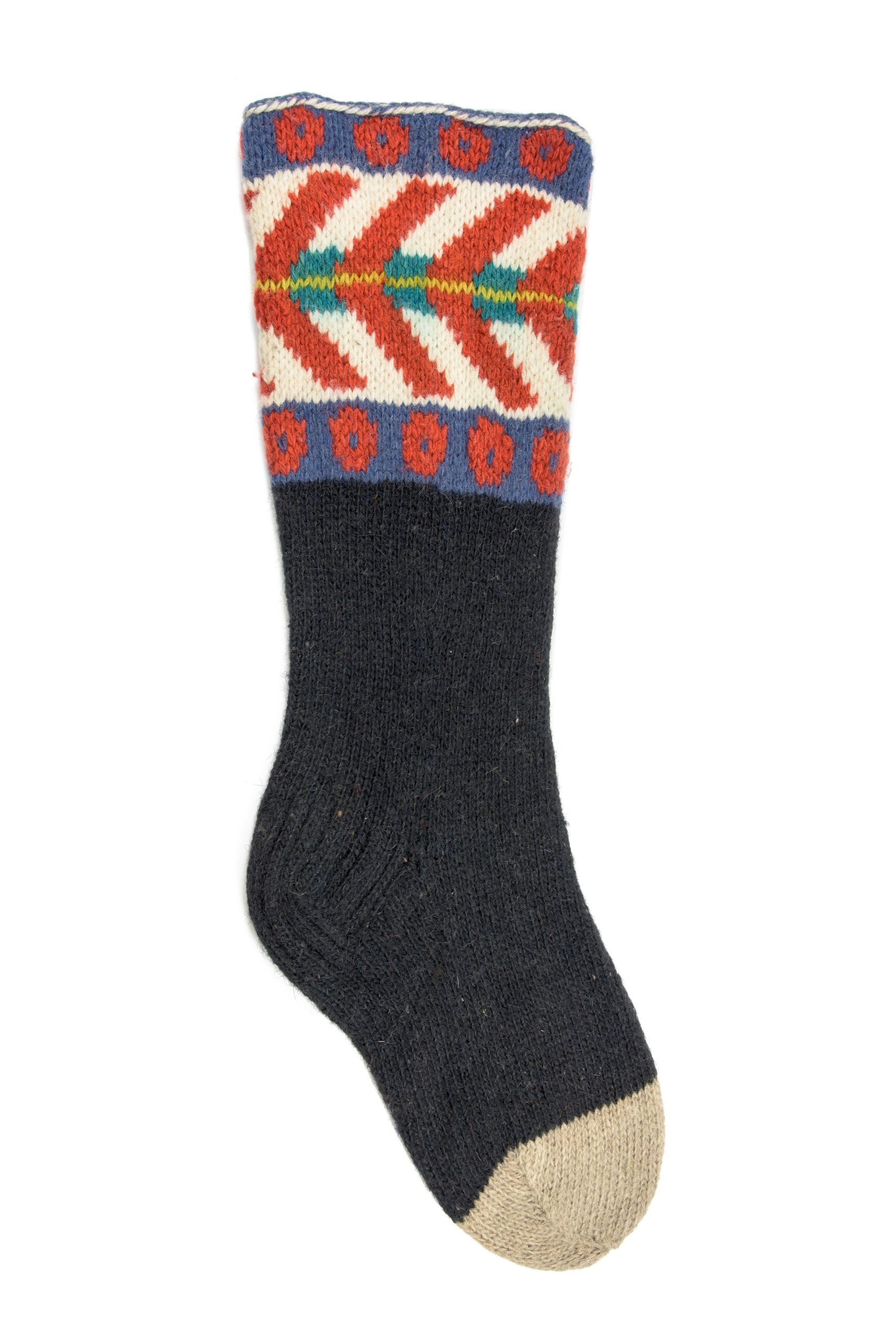
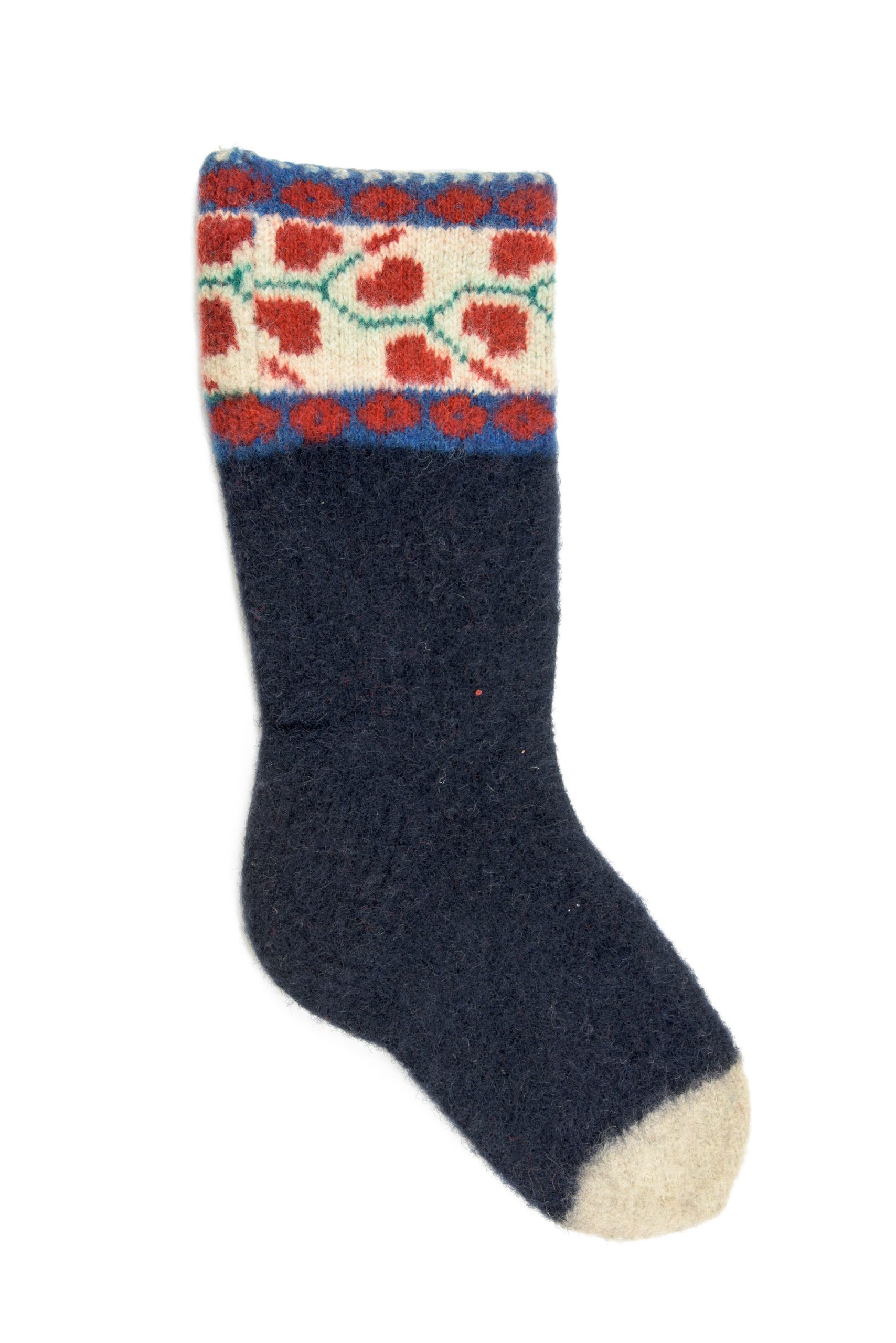
Čarapa, “fusekla”
Vinkovci, 1921. god.
EMZ-EX1259
Slavonija, 1. pol. 20. st
EMZ-EX48070


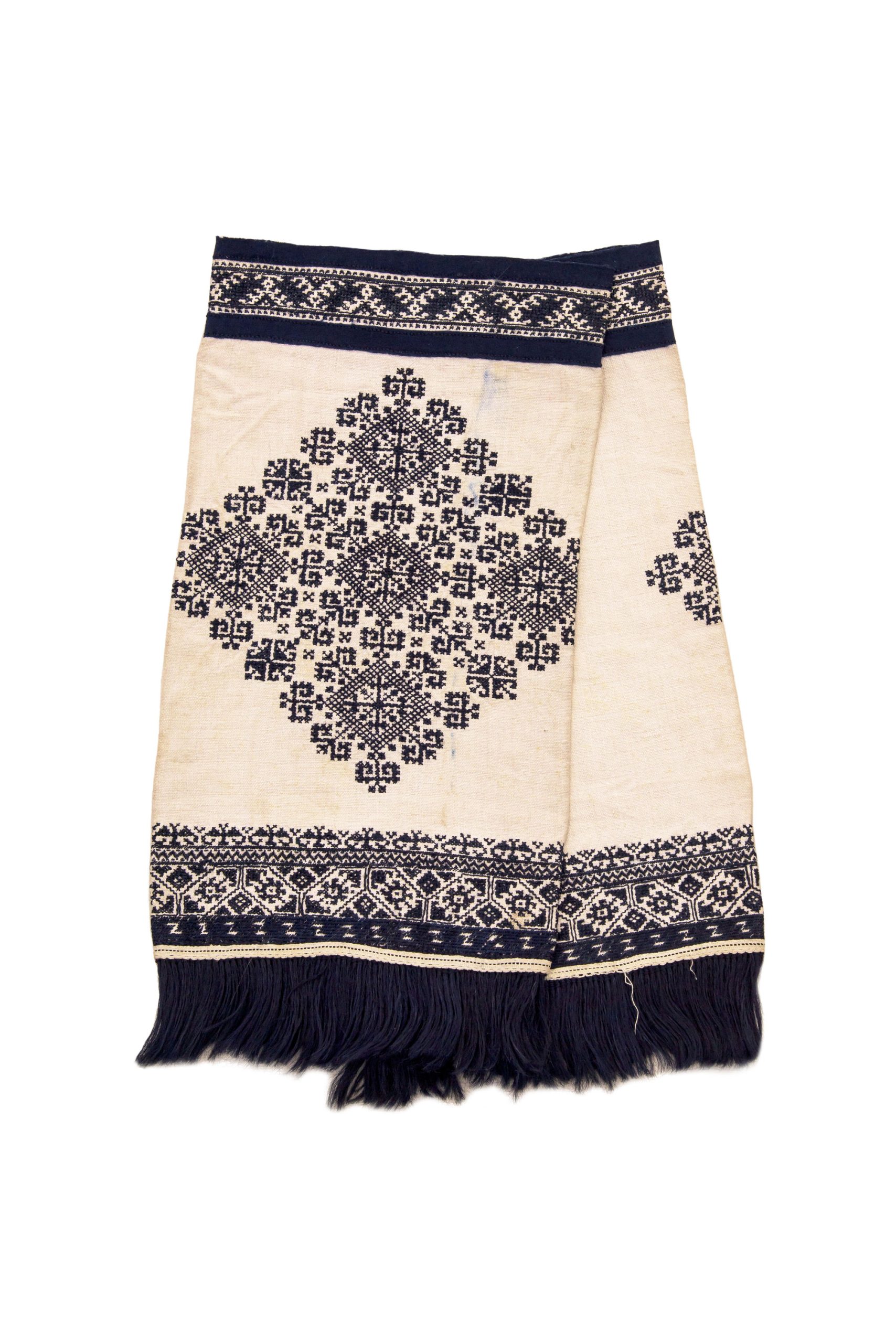
Rukavi ženske košulje sa „zmijanjskim vezom“ (vez indigo plavom niti na bijeloj podlozi)
Banja Luka, okolica, Bosna, oko 1900. god.
EMZ-EX14377AB
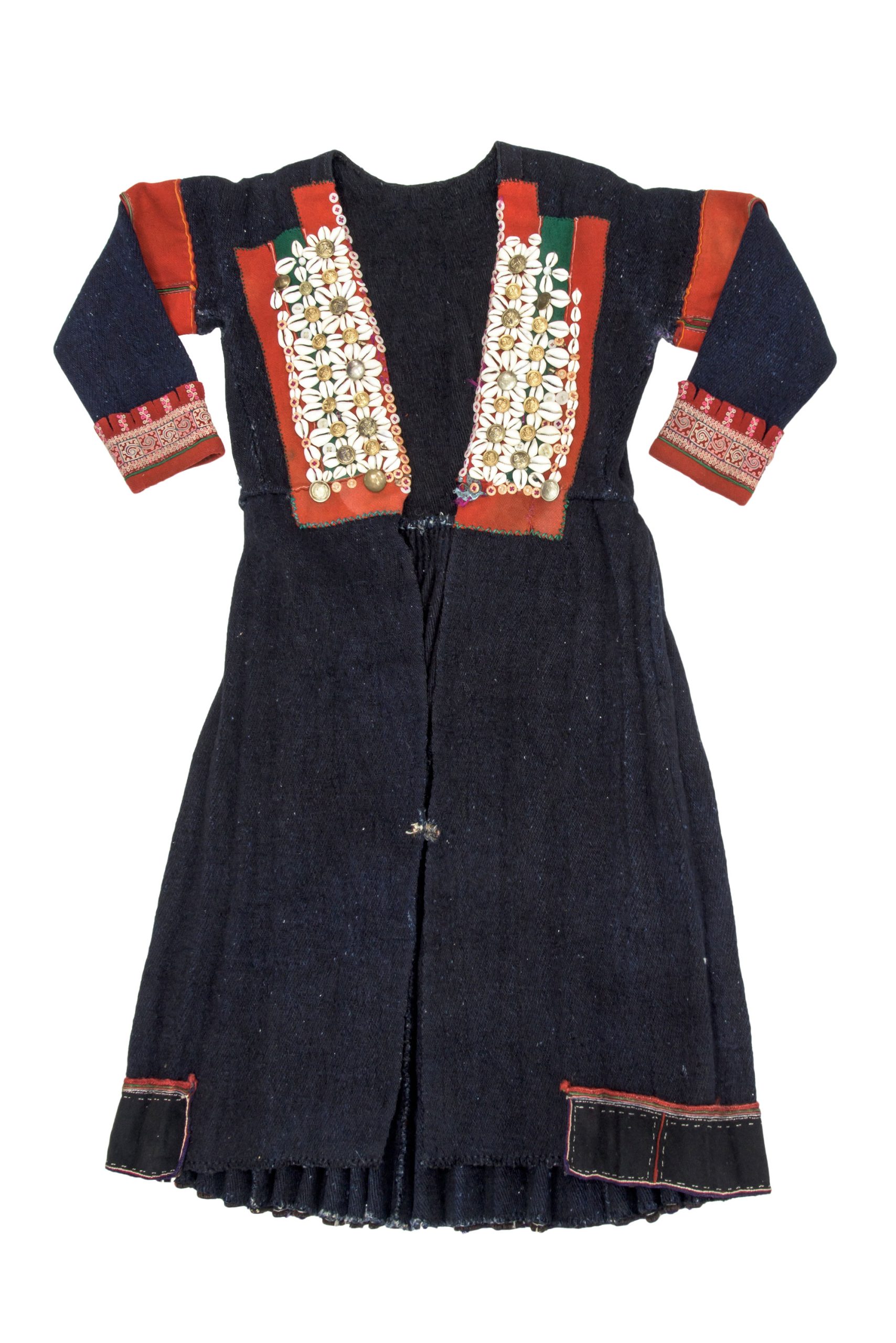
Haljina s rukavima, “aljina điđana”
Kijevo, početak 20. st.
EMZ-EX15933
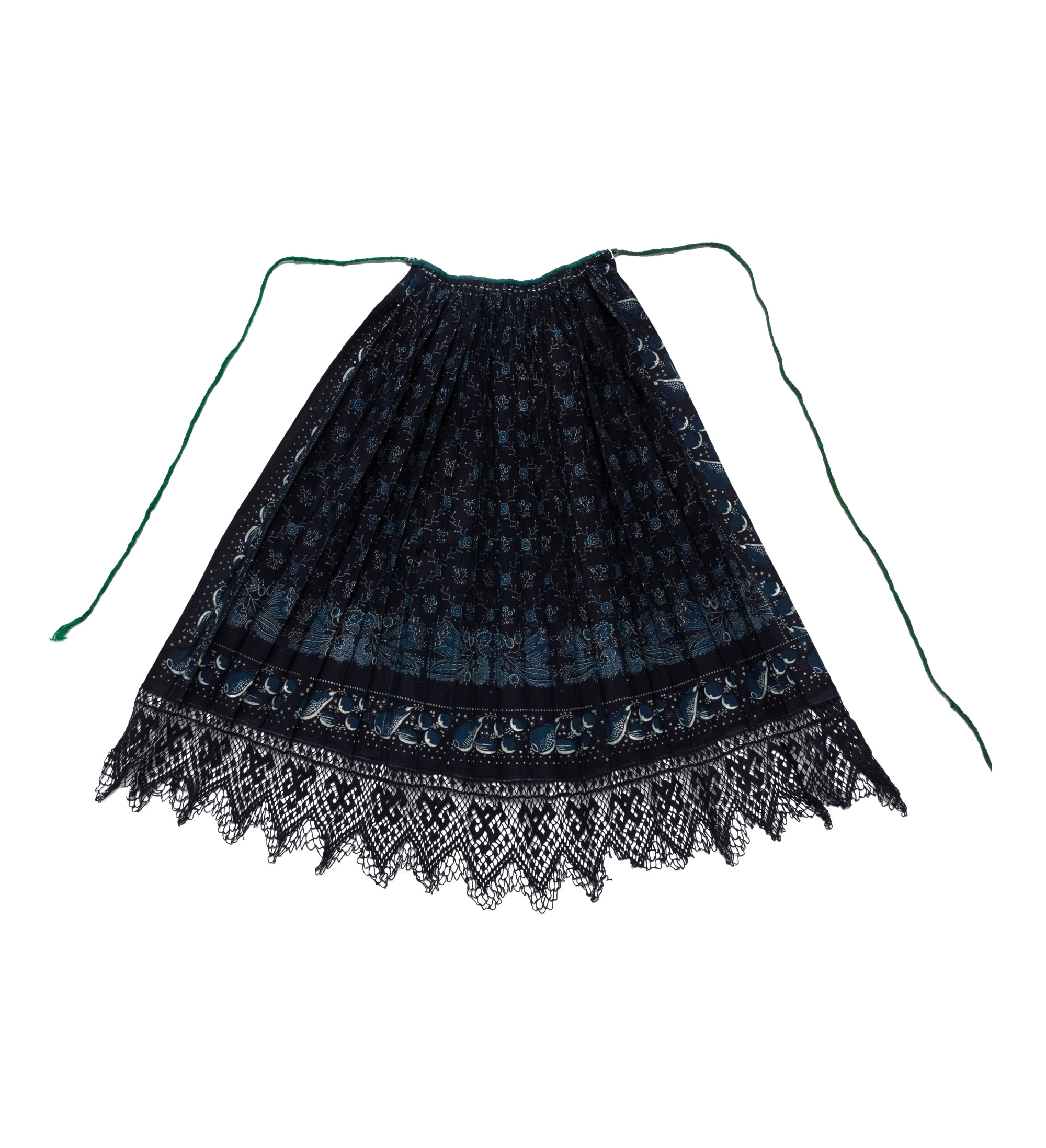
Pregača, “pregača molovana”
Sonta, Vojvodina, početak 20. st.
EMZ-EX29281D
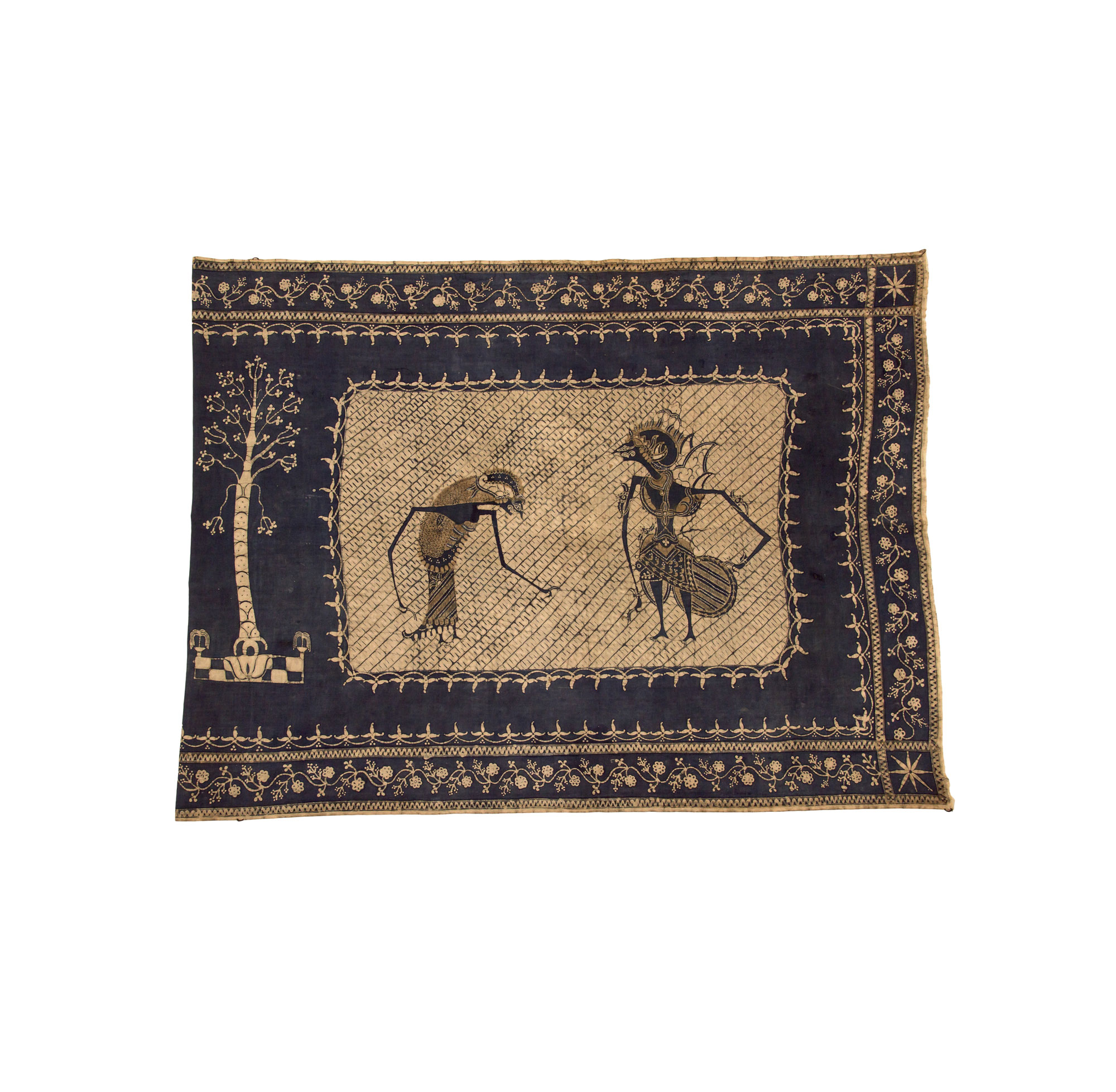
Tkanina, batik
Java, 19. st.
EMZ-EX59166
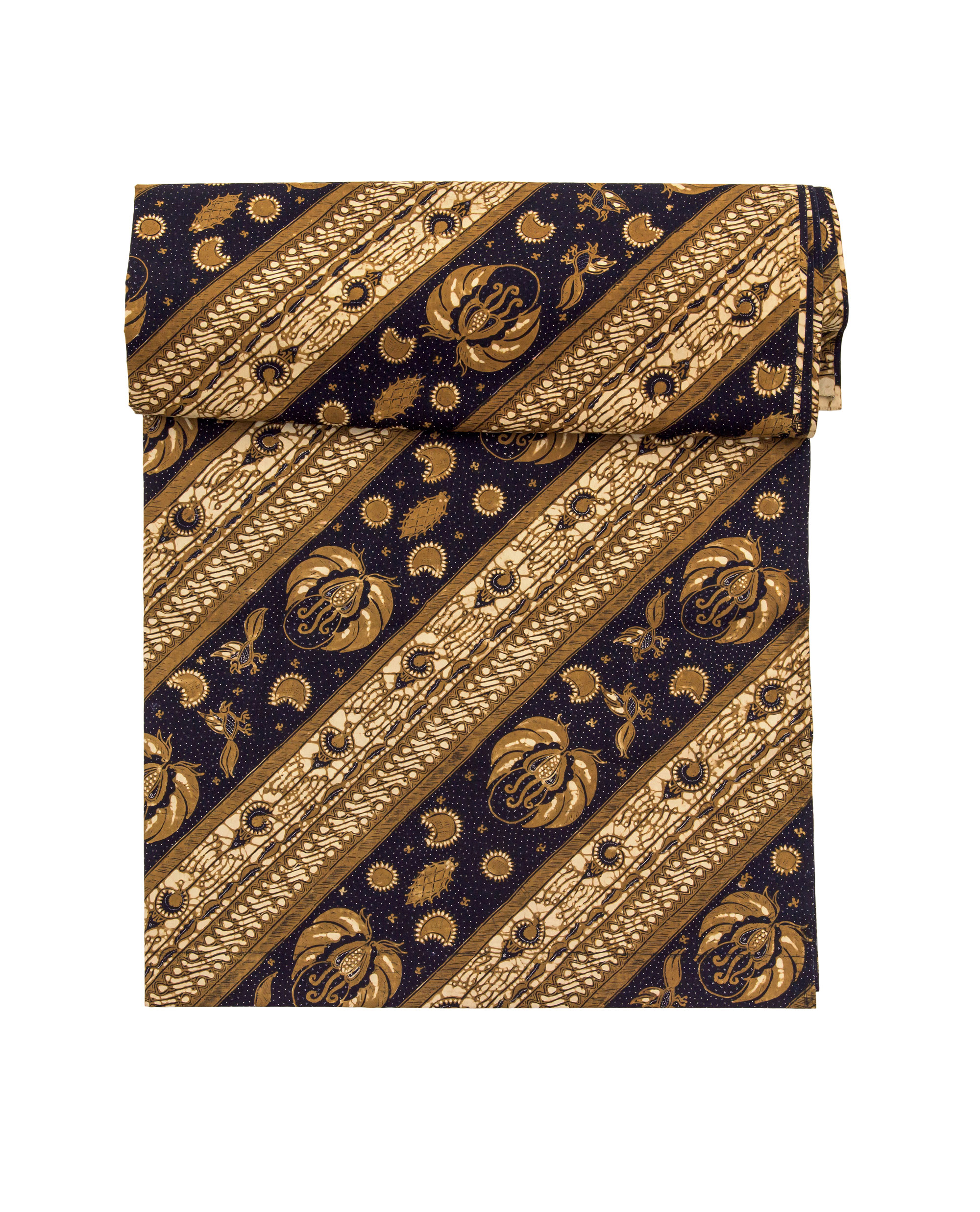
Tkanina, batik
Java, sredina 20. st.
EMZ-EX1760